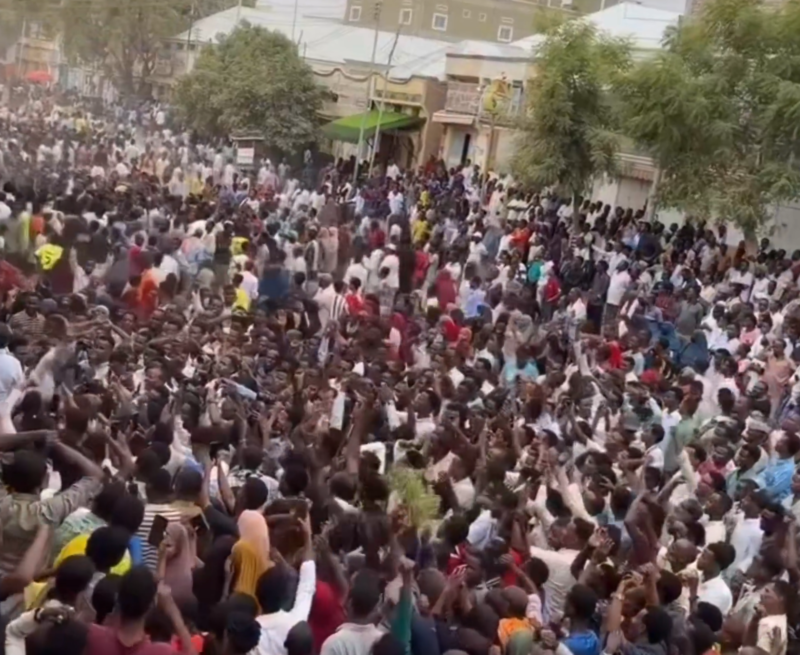
BELEDWEYNE — Hundreds of residents in Beledweyne staged widespread protests on Wednesday against the upcoming Hirshabelle regional elections, rejecting the process as illegitimate and demanding a political agreement before any vote takes place.
The demonstration, organized by politicians, intellectuals, and traditional elders from the Hiiraan region, was the latest expression of opposition to the September 30 election that the ruling Justice and Stability Party (JSP) is backing with the support of Villa Somalia.
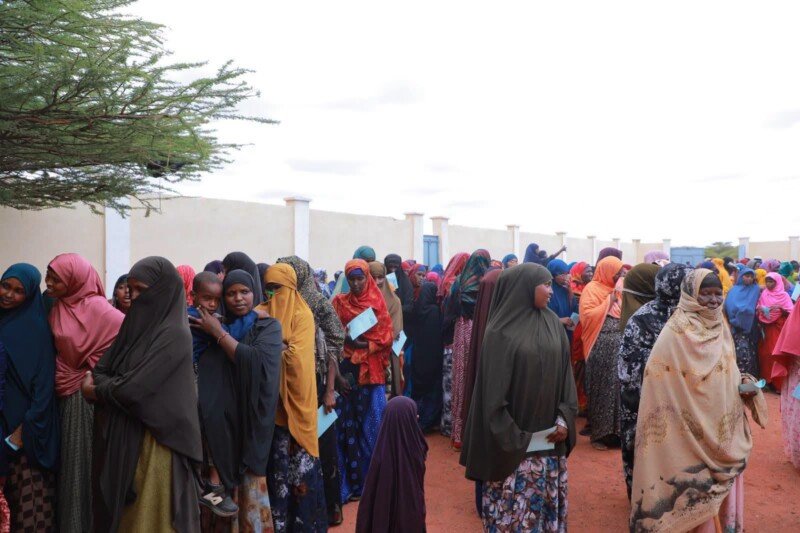
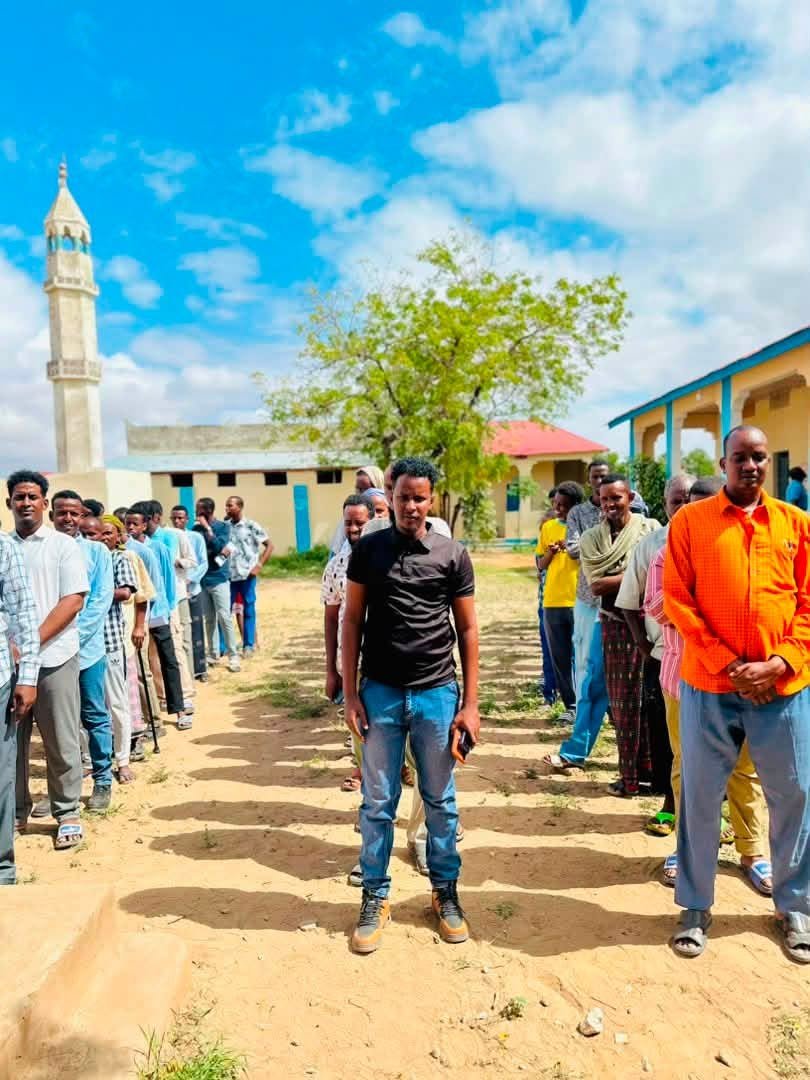
Protesters gathered in several parts of Beledweyne, with speeches criticizing the planned process and calling for dialogue among stakeholders before proceeding. Organizers urged the public to participate peacefully and refrain from any actions that could lead to unrest.
Security forces were deployed to guard key sites in the city ahead of the demonstrations.
Xawaadle Clan Rejects Election Without Consensus
The protests followed days of consultations by Xawaadle clan politicians and community elders in Beledweyne, who reached a unified position rejecting any election held without a prior political agreement.
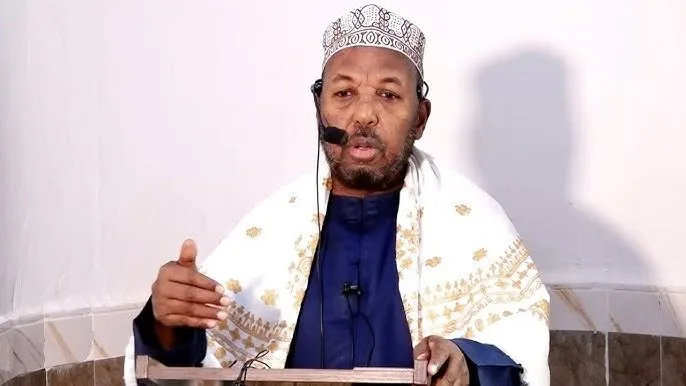
“The clan reiterates that no forced election, one lacking consensus, can take place in Hiiraan region, including its cities, districts and villages,” said Hiirey Ahmed Roble, former Secretary of the Banadir Regional Administration, who announced the outcome of the meetings at a press conference.
He thanked residents in Jalalaqsi, Matabaan and Jawiil, saying they had already demonstrated their opposition to what he described as a unilateral election process.
Hirshabelle Vice President Yusuf Hagar Dabageed has also warned that elections cannot be held in Hiiraan without a political agreement and broad consensus, saying anyone attempting to organize a vote without such an agreement would bear responsibility for any consequences. He went further, saying that elections should not be held “even in a single village” in Hiiraan without prior political agreement.
The JSP Candidacy and Power-Sharing Dispute
The protests are rooted in the JSP’s decision to nominate incumbent Hirshabelle President Ali Abdullahi Hussein Guudlawe as its candidate for the regional leadership election. The decision, made during a JSP Executive Committee meeting in Mogadishu, has intensified political tensions in Hiiraan.
The dispute reflects the underlying power-sharing formula in Hirshabelle, where the presidency has alternated between the Abgaal and Hawadle (Xawaadle) communities since the state’s formation in 2016. Hawadle politicians and community leaders have sought the state’s top leadership position, arguing that the presidency was designated for their community under the original political agreement. Those demands have been challenged by the JSP’s decision to renominate Guudlawe, an Abgaal politician who has led Hirshabelle since 2020.
Hirshabelle Vice President Dabageed, a Hawadle politician from Hiiraan, has accused President Hassan Sheikh Mohamud of reneging on a previous agreement that the Hawadle clan would assume the leadership of Hirshabelle in the upcoming regional election.
The federal government has not publicly responded to these allegations.
Security Incidents and Escalating Tensions
Tensions have already produced direct security incidents. On September 7, gunmen identified by local reporting as Macawisley militia attacked a voter-registration center in Beledweyne, killing one person and wounding two others.
The Macawisley, local fighters who spearheaded the 2022 uprising against Al-Shabaab in Hiiraan, have signaled their opposition to the electoral process. Abdulqadir Yusuf Elmi, who identified himself as leader of the armed group that seized the registration center, told Universal TV that the men occupied the facility to protest what they described as an unfair electoral process.
The dispute has also exposed divisions within the Hirshabelle administration itself. State Minister of Information Abdikarim Hassan Nuur has stated that no one can prevent the regional election from proceeding, while Vice President Dabageed announced the suspension of the process and accused federal officials of interfering in the selection of the next regional leadership.
Reports also indicate that local forces are being organized in opposition to the Hirshabelle election, with recruitment taking place in parts of Hiiraan.
Critical Note
The protests in Beledweyne are the clearest expression yet of the fundamental problem with Somalia’s current electoral trajectory: an election that proceeds without political consensus risks producing an outcome that significant communities reject before the first ballot is cast.
The Xawaadle clan’s unified rejection of the September 30 election, the Hirshabelle Vice President’s warning that no vote can be held in Hiiraan without agreement, and the security incidents that have already occurred all point to a process that lacks the legitimacy it needs to succeed. The JSP’s decision to award its ticket to Guudlawe, backed by President Hassan Sheikh Mohamud, may secure a short-term political outcome, but it does so at the cost of alienating a major constituency whose cooperation is essential for stability in the region.
The Macawisley fighters who attacked the voter registration center are the same forces that led the uprising against Al-Shabaab in Hiiraan. Their opposition to the election process carries particular weight because it signals that the local coalition that has been central to the fight against the militants may be fracturing. If that coalition breaks, the security gains in Hiiraan could be reversed.
The National Independent Electoral and Boundaries Commission has set September 30 as polling day and is proceeding with preparations. But a vote that is rejected by a significant segment of the population it is meant to represent will not resolve Hirshabelle’s political crisis. It will deepen it. The federal government’s strategy of advancing elections in allied regional states before reaching national consensus on the electoral framework appears to be reproducing the same legitimacy problems that have plagued Somalia’s political transitions for years.