MOGADISHU — Somalia’s economy is projected to grow by just 2.6 percent in 2026, a sharp slowdown from 4.0 percent in 2024 and 3.1 percent in 2025, according to the Central Bank of Somalia’s Quarterly Economic Review for the first quarter of 2026.
The downgrade reflects the convergence of three overlapping shocks: an intensifying drought, a sudden external energy price shock following the outbreak of conflict in the Middle East, and continued retrenchment of foreign aid. The IMF had projected 3.1 percent growth for Somalia in 2026 before the latest shocks materialised.
Fuel Prices More Than Double
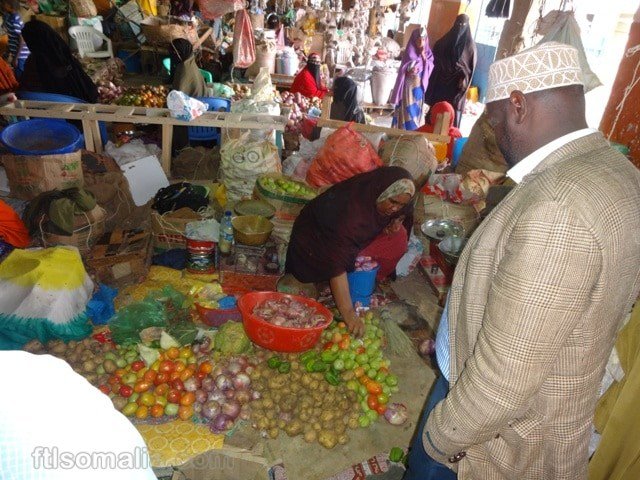
The most immediate transmission channel has been fuel. Domestic fuel prices more than doubled from approximately US$0.60 per litre to roughly US$1.50 per litre, driven by disruptions in the Strait of Hormuz. This generated broad-based cost-push pressures across transport, food, and utilities.
Headline inflation is now projected to reach 5.9 percent in 2026, up from 3.7 percent in 2025. On a quarterly basis, inflation accelerated from 5.1 percent in the fourth quarter of 2025 to 6.3 percent in the first quarter of 2026, as the impact of the failed Deyr rains manifested in higher food prices.
The World Bank’s Somalia Economic Update, released in May 2026, similarly projected 2.8 percent growth for 2026 and warned that inflation would rise to 6 percent before easing over the medium term, as reported in FTL Somalia’s coverage of the World Bank findings.
Drought and Aid Cuts Compound the Pressure
The first quarter of 2026 was characterised by an intensifying drought that reduced domestic agricultural output and pushed food prices higher. The convergence of climate stress and the energy shock placed additional strain on household welfare across both urban centres and rural agropastoral regions.
At the same time, foreign aid has continued its structural decline. External grants fell by 18 percent year-on-year to US$53.3 million in the first quarter of 2026, with bilateral disbursements falling to zero and multilateral inflows moderating. This followed a broader pattern of reduced humanitarian and security-related assistance that has weighed on domestic demand.
The Somali shilling depreciated by 1.2 percent during the quarter, with the average exchange rate reaching SOS 31,956 per US dollar. The relative stability of the nominal rate reflects the high degree of dollarisation in the economy, where a substantial share of transactions is conducted in US dollars.
Private Consumption Remains the Only Engine
Private consumption, underpinned by remittance inflows, remained the principal driver of domestic demand during the quarter. Remittances totalled US$1,587.9 million in the first quarter, a 6 percent decline from the same period in 2025 but still substantial enough to support household consumption and private sector activity.
However, the broader growth trajectory has weakened. The Central Bank’s projection of 2.6 percent growth for 2026 represents a downgrade from earlier forecasts and reflects what the report describes as an economy with limited productive capacity facing multiple external shocks simultaneously.
Critical Note
The Central Bank’s Q1 2026 report paints a picture of an economy absorbing a triple shock, and the 2.6 percent growth projection is the weakest since the pandemic-era contraction of 2020. What stands out is the convergence of vulnerabilities: a climate shock in the form of drought, an external price shock transmitted through fuel, and a structural decline in aid that shows no sign of reversing.
The report offers a measured assessment, but the critical question is whether the policy response matches the scale of the challenge. The government’s fiscal position is already strained, with a financing gap of US$17 million in the first quarter and capital expenditure at just US$6.5 million, a 58 percent decline from a year earlier. The National Disaster Risk Management Fund, recently established to coordinate disaster financing, has yet to demonstrate disbursement capacity.
Meanwhile, the reliance on remittances as the primary buffer against shocks is a structural feature of the economy that the report acknowledges but does not address as a policy problem. With remittances declining and NGO transfers falling 21 percent, the household consumption that has sustained growth is under pressure. The 2.6 percent projection assumes no further deterioration, but the report itself notes that the outlook is contingent on factors largely outside Somalia’s control.
Recommended Reading On ftlsomalia.com
- World Bank: Only 21% of Somali households receive more than eight hours of electricity daily
- Somalia’s Economy Grew by 4.1% in 2024, Driven by Investment and Services Sector
- Somalia Launches Modernized CPI to Strengthen Economic Data Systems
- Drought Now Drives 75% of Displacements in Somalia’s Most Affected Districts
- SoDMA and UN’s George Conway Hold Talks on Drought Response and Super El Niño Preparedness
- Baidoa Traders Sound Alarm as Somali Shilling Weakens