MOGADISHU — Federal agents searched the Washington-area home of U.S. Representative Ilhan Omar on Monday morning as part of a criminal investigation, according to the Department of Justice and people familiar with the matter.
The search was conducted by Homeland Security Investigations (HSI) agents, who executed a “judicially authorized search warrant” secured by the Department of Justice, the DOJ said in a statement. “This enforcement action is part of an ongoing federal criminal investigation,” the department said, without providing further details.
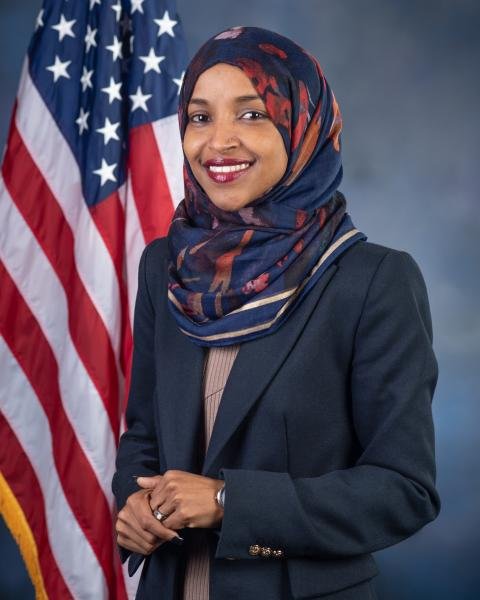
Omar, a Minnesota Democrat and the first Somali American elected to Congress, was born in Mogadishu and came to the United States as a child refugee in 1995. She has represented Minnesota’s 5th District since 2019 and is a prominent critic of President Donald Trump.
Investigation into Immigration Paperwork
According to multiple reports citing sources familiar with the investigation, the search is focused on immigration paperwork filed by Omar’s late father when she was a child. Fox News first reported the nature of the probe, and other outlets including the Associated Press and The New York Times confirmed the search.
The New York Times reported that federal investigators have also sought to examine other issues, including Omar’s finances, campaign funds and interactions with a foreign citizen. Vice President JD Vance and other administration officials have publicly accused Omar of immigration fraud, allegations she has repeatedly denied.
Omar has not been charged with any crime. She did not immediately respond to requests for comment on Monday.
Political Context and Timing
The search comes less than three weeks before U.S. midterm elections and follows a sustained campaign by President Trump against Omar and the Somali American community in Minnesota. As reported in FTL Somalia’s coverage of Trump’s rhetoric, the president has repeatedly targeted the Somali community in Minnesota, calling them “garbage” in December 2025 and making disparaging remarks about Somalia’s institutions.
Last week, Trump posted on Truth Social that Minnesota “is being taken over by Somali immigrants” and urged the state’s residents to “fight back,” adding that “the Federal Government will come to your rescue” if needed. As detailed in FTL Somalia’s coverage of the community response, mosques across Minnesota stepped up security measures after the president’s post, with CAIR-Minnesota condemning his remarks as “blatant racism and an implicit call for violence against an entire community.”
Omar responded to Trump’s rhetoric in a statement, describing his focus on her as an “unhealthy and creepy obsession.” In a fundraising email last month, she said the investigations against her were “complete shams.”
The Justice Department has historically avoided taking investigative steps against political candidates within 60 days of an election, making the timing of the search unusual. The search drew criticism from civil liberties advocates and political commentators who questioned the timing and the grounds for the warrant.
A Pattern of Targeting
The search of Omar’s home is the latest development in a sustained campaign by the Trump administration against the congresswoman and the Somali American community. As reported in FTL Somalia’s coverage of Trump’s accusations, the president implied without evidence in February 2026 that Omar has connections with ISIS leaders in Somalia, following U.S. airstrikes targeting ISIS-Somali hideouts.
Trump has also confirmed using a racial slur and denigrating Somalia as “filthy, dirty, disgusting, ridden with crime,” as reported in FTL Somalia’s coverage of his remarks. He has described Somalis as “garbage,” “people with something wrong with them,” and “those who have no country,” as detailed in FTL Somalia’s coverage of his cabinet meeting comments.
The administration has also moved to terminate Temporary Protected Status for Somali nationals, a decision that Somali leaders in Minnesota have challenged. As reported in FTL Somalia’s coverage of the TPS challenge, the termination would affect thousands of Somali Americans and has drawn legal and political opposition.
Despite these pressures, Omar won her primary re-election bid in August 2026 with over 80 percent of the vote, as reported in FTL Somalia’s coverage of her victory. Her political resilience has made her a symbol of Somali American political engagement, even as she faces intensifying federal scrutiny.
Significance for Somali Americans
Omar is the most prominent Somali American politician in the United States and a symbol of the diaspora’s integration into American political life. Her treatment by federal authorities and the Trump administration’s broader rhetoric against Somali immigrants have alarmed Somali communities across the United States and in Somalia.
The search also comes amid heightened tensions between the Trump administration and Minnesota’s Somali community. In addition to Trump’s social media post, federal immigration enforcement operations have been conducted in the state, and the administration has terminated Temporary Protected Status for Somali nationals. As detailed in FTL Somalia’s coverage of deportation pressures, Somalia faces mounting pressure from multiple fronts as the U.S. and Europe tighten immigration policies.
Critical Note
The search of Rep. Ilhan Omar’s home is a significant escalation in the federal government’s scrutiny of a sitting member of Congress and a prominent figure in the Somali American community. The investigation appears to center on immigration paperwork filed decades ago by Omar’s deceased father, raising questions about the proportionality of the enforcement action and its timing, less than three weeks before an election.
The Justice Department’s own guidelines caution against taking investigative steps against political candidates so close to an election. The decision to proceed with a pre-dawn search under these circumstances will inevitably be viewed through a political lens, regardless of the merits of the underlying investigation. Whether the evidence justifies this level of enforcement is a question that cannot be answered from the available information, but the appearance of political motivation is difficult to dismiss.
The context is important. This search did not occur in isolation. It follows months of sustained attacks by President Trump on Omar and the Somali American community, including false accusations of ISIS ties, racial slurs, and calls for Minnesotans to “fight back” against Somali immigrants. The DOJ’s decision to execute a search warrant at her home, rather than issuing a subpoena or requesting documents through less intrusive means, is a choice that carries significant weight.
For Somali Americans, the search reinforces a sense of targeting that has intensified under the current administration. Omar’s political rise has been a source of pride for many in the diaspora; her treatment by federal authorities is a source of deep concern. The outcome of the investigation will have implications not only for Omar’s political future but for how Somali communities in the United States perceive their place in American society.
Recommended Reading On ftlsomalia.com
- Somali American Community in Minnesota Faces Rising Threats as Trump Amplifies Anti-Somali Rhetoric
- Trump Accuses Rep. Ilhan Omar of Ties to Somali ISIS Leaders
- Somali-American Congresswoman Ilhan Omar Wins Re-Election Bid with Over 80% of Votes
- Trump Draws Fire for Insulting Comments About Somalis
- Somali Leaders in Minnesota Challenge Trump’s TPS Termination
- Somalia Faces Deportation Pressure From Multiple Fronts as US, Europe Tighten Policies