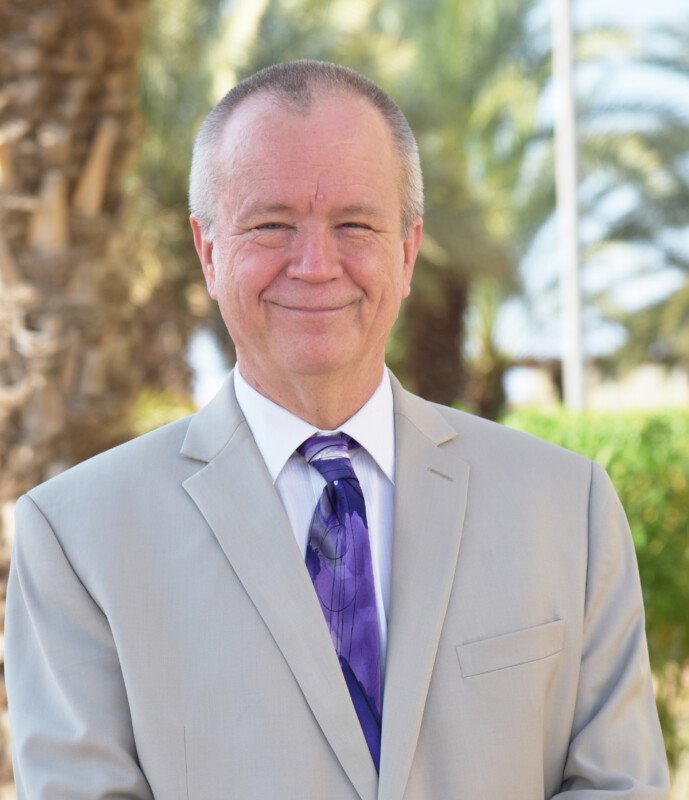
MOGADISHU — Former U.S. Ambassador to Somalia Larry André Jr. has issued a scathing assessment of the Hassan Sheikh Mohamud government, accusing it of exceeding its term in office and deploying troops as a political militia against the people of South West State, a region facing the greatest threat from famine.
Speaking on Sky News, André said the situation in Somalia is “very serious” and that the government’s military operations are generating more refugees from areas already in crisis. His remarks, amplified on social media by Somali political commentator Sheiknor A. Qassim, add a prominent American diplomatic voice to the growing criticism of the federal government’s handling of both the political crisis and the humanitarian emergency.
The former ambassador, who served as U.S. Ambassador to Somalia from January 2022 to May 2023, also highlighted the collapse of international assistance to Somalia. He said assistance has fallen from approximately $2 billion in 2022–23, when the U.S. contribution was around 80 percent, to roughly $160 million at present.
André also referenced the destruction of a World Food Programme warehouse in Mogadishu in January 2026. According to U.S. officials, Somali authorities demolished the U.S.-funded warehouse and seized 76 metric tons of food aid intended for vulnerable Somalis. The Somali government initially denied the allegations, but later confirmed it had returned all seized WFP commodities and accepted responsibility for the incident, acknowledging gaps in coordination with humanitarian agencies.
The Baidoa Famine Threat
The Baidoa crisis, which André referenced, has been documented extensively. As reported in FTL Somalia’s coverage of the UN famine warning, the Integrated Food Security Phase Classification warned in September 2026 that about 26,000 displaced people in Baidoa could face famine between October and December if El Niño flooding worsens and aid remains insufficient.
Médecins Sans Frontières found that one in two children screened in Baidoa’s displacement camps was acutely malnourished. The city hosts hundreds of thousands of displaced people, and repeated outbreaks of violence since August 2026 have displaced thousands more, damaged health facilities, and disrupted humanitarian access.
Collapse in International Assistance
The collapse in assistance from $2 billion to $160 million represents a humanitarian catastrophe in slow motion. The U.S. was the largest donor to Somalia, and its near-total withdrawal from humanitarian funding has left a gap that other donors have not filled. As detailed in FTL Somalia’s coverage of the WFP funding crisis, the World Food Programme can currently support just over 670,000 people compared with more than 4 million in previous crises.
The WFP warehouse incident in January 2026 further disrupted the delivery of specialized nutrition supplies at a time when nearly a quarter of Somalia’s population faces crisis levels of hunger. As reported in FTL Somalia’s coverage of the warehouse destruction, the Somali government confirmed it had returned all seized WFP commodities and accepted responsibility for the incident.
Regional Comparison
André also compared Somalia’s federal government unfavourably to the ethnic Somali regions in Ethiopia and Somaliland, saying they are “doing better as a result of more responsible governance.” His point is not that these regions are without problems, but that they have demonstrated a capacity for governance that the federal government has not.
As reported in FTL Somalia’s coverage of the Marinayo 2.0 crisis, the federal government’s confrontation with opposition figures has escalated into armed clashes in Mogadishu, with former President Sharif Sheikh Ahmed and former Prime Minister Hassan Ali Khaire both facing military pressure.
Critical Note
André’s intervention is significant for several reasons. As a former U.S. ambassador who served in Mogadishu, his assessment carries diplomatic weight that opposition statements do not. His characterization of the government as using troops as a “political militia” against its own citizens, and his claim that the government has exceeded its term, echo the language of Somalia’s political opposition but with the added credibility of an American diplomatic perspective.
The humanitarian dimension of his critique is particularly urgent. The collapse in assistance from $2 billion to $160 million represents a humanitarian catastrophe in slow motion. The destruction of the WFP warehouse in January, whatever its precise circumstances, disrupted the delivery of specialized nutrition supplies at a time when nearly a quarter of Somalia’s population faces crisis levels of hunger.
The Baidoa region, which André singled out, is the epicenter of this convergence of crises. It is simultaneously the site of armed confrontation between federal forces and local militias, the destination for hundreds of thousands of drought-displaced people, and the area where famine conditions are most imminent. The government’s decision to prioritize military operations in this context, rather than humanitarian response, is a choice that will have consequences measured in lives.
André’s comparison of Somaliland and Ethiopian Somali regions to Somalia’s federal government is provocative but not without basis. His point is not that these regions are without problems, but that they have demonstrated a capacity for governance that the federal government has not. That is a criticism that resonates with many Somalis who have watched the federal government’s authority shrink even as its military operations expand.
The former ambassador’s remarks will be dismissed by the government as interference in Somalia’s internal affairs. But they raise questions that cannot be easily dismissed: Why is the government deploying troops against political opponents in a famine zone? Why has international assistance collapsed so dramatically? And why does the government appear more focused on consolidating power than on addressing the humanitarian crisis?
Share your story. FTL Somalia is continuing to investigate the political crisis in Mogadishu and the humanitarian emergency in South West State. If you have information or insights to share, contact us at info@ftlsomalia.com. Your identity will be protected.
Recommended Reading On ftlsomalia.com
- UN: Baidoa Conflict Risks Famine Among Displaced as Aid Funding Dwindles
- Six Million Somalis Face Acute Hunger as WFP Struggles with Severe Funding Shortfall
- Somali Government Admits Responsibility for WFP Warehouse Destruction
- From Badbaado Qaran to Marinayo 2.0: Somalia’s Never-Ending Cycle of Term Disputes and Electoral Violence Returns to Mogadishu
- Somali Government Faces Backlash Over Demolition of US-Funded WFP Warehouse
- South West State Puts Forces on High Alert After Baidoa Clashes