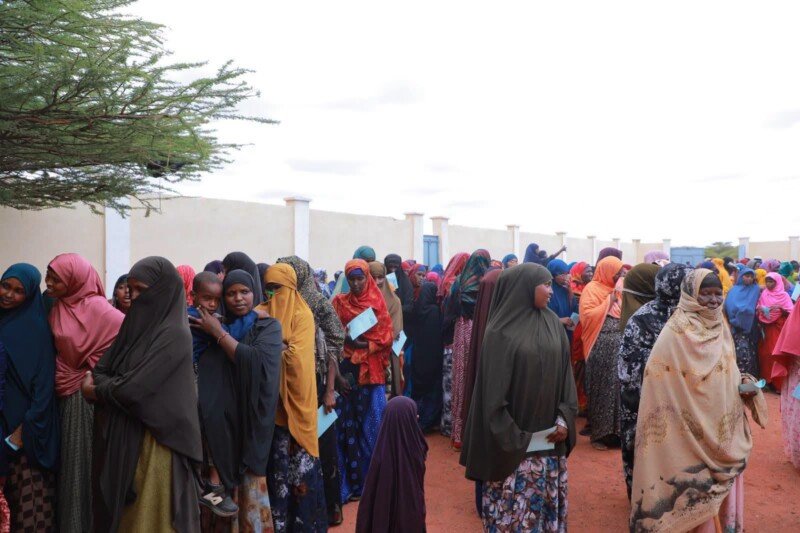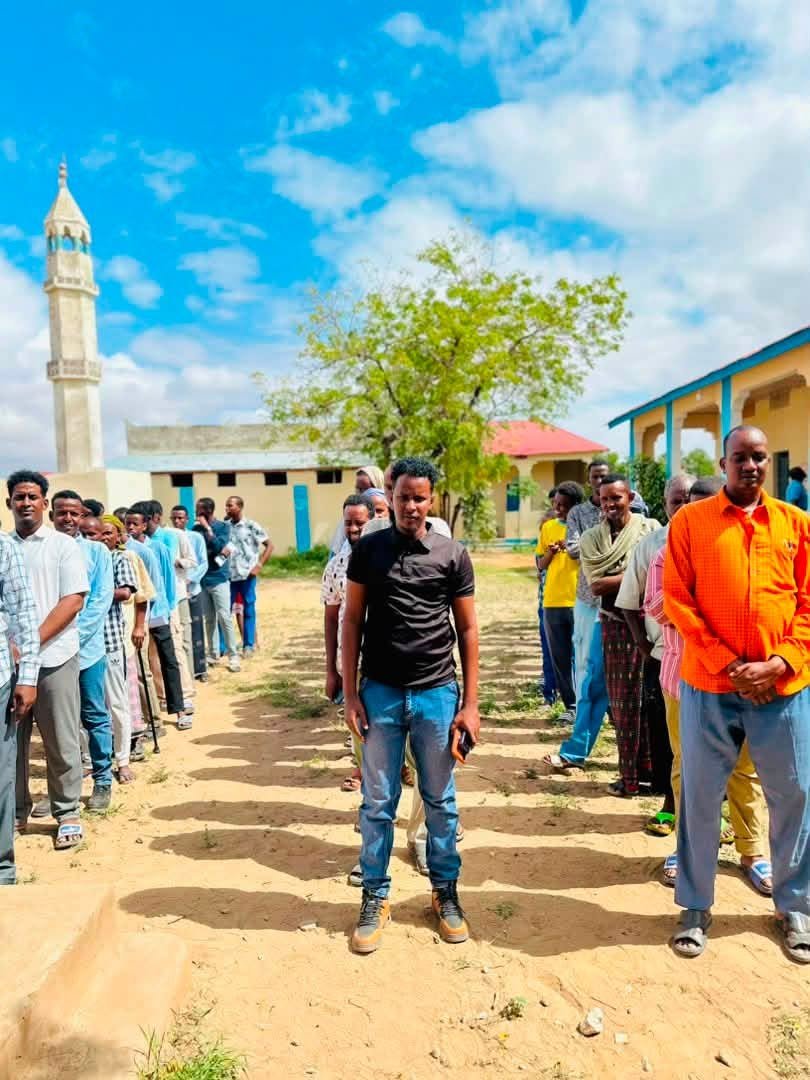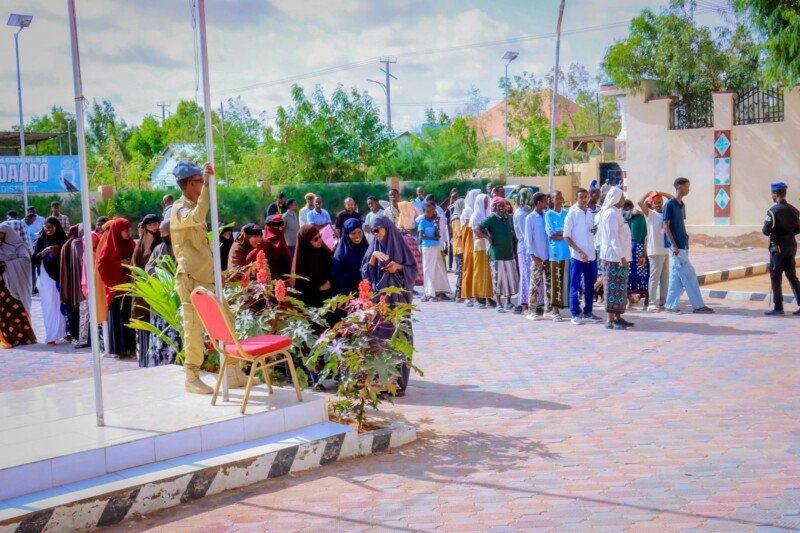
MOGADISHU — Voters in Galmudug and Hirshabelle are casting ballots today in elections whose outcomes appear largely determined before the first vote is counted, with the dominant Justice and Solidarity Party (JSP) backing candidates in both states and key opposition groups excluded or marginalized.
The simultaneous votes represent a significant test for Somalia’s electoral commission, which is managing two complex processes across 23 districts on the same day. But the conditions under which these elections are taking place raise serious questions about their credibility.
Galmudug: A Rerun Without the Challenger
In Galmudug, the election is a repeat of the July 30 vote that the Supreme Court annulled on August 24, citing irregularities that violated constitutional principles requiring free, fair and impartial elections, as detailed in FTL Somalia’s coverage of the Supreme Court ruling. The ruling followed a legal challenge by the Towfiiq Party, which alleged violence, exclusion of party representatives from polling stations, and manipulation of the process.
But the party that successfully challenged the previous election has been excluded from the rerun. The National Independent Electoral and Boundaries Commission (NIEBC) announced a list of 12 parties authorized to participate, and Towfiiq was not on it, as reported in FTL Somalia’s coverage of the authorized parties. The Commission said Towfiiq failed to submit its candidate list by the September 12 deadline. Towfiiq disputes this, saying it learned of its exclusion through social media and that the Commission already had its candidate lists. The party described the decision as linked to its legal challenge and called for peaceful demonstrations.
The JSP, associated with President Hassan Sheikh Mohamud, has nominated Libaan Ahmed Hassan as its candidate for the Galmudug presidency. Hassan was designated as the sole candidate by President Mohamud, a move that drew criticism from opposition parties who accused the federal government of interfering in the electoral process. The Qiimo Qaran party has endorsed Hassan, further consolidating support around the JSP candidate, as reported in FTL Somalia’s coverage of the endorsement.
Hirshabelle: A Contested Process in Hiiraan
In Hirshabelle, the election is proceeding despite repeated demands from Hawadle clan leaders and politicians that the process in Hiiraan be suspended until a political agreement is reached. The dispute dates back to the state’s formation in 2016, when an informal power-sharing arrangement allocated the presidency to the Hawadle, a decision Abgaal politicians viewed as temporary.
In 2020, Ali Abdullahi Hussein Guudlawe, an Abgaal politician, won the presidency while Jowhar remained the state capital, prompting many Hawadle figures to argue that Middle Shabelle had secured both of Hirshabelle’s most important political assets. The JSP has now nominated Guudlawe for a second term, intensifying opposition from Hawadle leaders who argue the presidency should return to their community, as detailed in FTL Somalia’s coverage of the JSP nomination.
Hirshabelle Vice President Yusuf Hagar Dabageed, a Hawadle politician, has accused President Hassan Sheikh Mohamud of reneging on a promise that the Hawadle clan would take the leadership. Dabageed said the president initially assured Hawadle elders that the presidency would be allocated to their community, only to later reverse the commitment and back Guudlawe.
Hawadle clan leaders have reiterated that they will not accept any election held without a prior political agreement. “The clan reiterates that no forced election, one lacking consensus, can take place in Hiiraan region, including its cities, districts and villages,” said Hiirey Ahmed Roble, a former Banadir Regional Administration secretary. Traditional elders have also barred Hirshabelle administration officials from landing at airports in Hiiraan until a political deal is reached.
Armed Macawiisley fighters, who previously gained prominence for their role in anti-Al-Shabaab operations, seized control of voter registration centers in Beledweyne in early September, disrupting preparations for the election. The fighters said they would not allow an election backed by Guudlawe to take place, as reported in FTL Somalia’s coverage of the militia challenge.
Airport Closures and Security Measures
Galmudug’s Ministry of Transport and Civil Aviation ordered the closure of all airports under the regional administration from September 30, citing security concerns and the elections taking place across the state.
The closure is expected to disrupt air links between cities in Galmudug and Mogadishu, affecting passengers, businesses and organisations that rely on air connectivity. The ministry did not specify how long the airports would remain closed.
Critical Note
The simultaneous elections in Galmudug and Hirshabelle are taking place under conditions that raise serious doubts about their credibility as genuine exercises in democratic choice. In Galmudug, the party (Towfiiq) that successfully challenged the previous election in court has been excluded from the rerun, and the JSP candidate has been anointed by the federal president as the sole contender. In Hirshabelle, a significant community has rejected the process as illegitimate, and armed fighters have disrupted preparations.
The government has framed these elections as part of its commitment to a one-person, one-vote system that moves Somalia away from clan-based indirect elections. But the methods being used to secure that outcome, excluding challengers, anointing candidates from Villa Somalia, and proceeding without consensus among key stakeholders, suggest that the transition to universal suffrage is being managed in a way that consolidates power rather than disperses it.
Elections held without broad consensus among stakeholders risk producing outcomes that are legally valid but politically contested. In states where clan-based power-sharing remains the foundation of political order, a vote that excludes or alienates significant communities does not resolve the underlying dispute. It may simply postpone it. For Somalia’s federal project, the stakes are high. If these elections are rejected by significant stakeholders or marred by violence, they risk deepening the fractures that have made both Galmudug and Hirshabelle among the most fragile entities in Somalia’s federal structure.
Recommended Reading On ftlsomalia.com
- Galmudug Repeat Elections Scheduled for September 30 Following Supreme Court Ruling
- Electoral Commission Clears 12 Groups for Galmudug Vote as September 30 Deadline Nears
- Qiimo Qaran Party Endorses Liibaan Ahmed Hassan for Galmudug Presidency
- Somalia’s Ruling Party Backs Gudlawe for Second Term as Hirshabelle Election Dispute Deepens
- Armed Macawiisley Militia Challenges Hirshabelle Electoral Process in Hiiraan