BELEDWEYNE — The Hawadle clan has explicitly opposed the planned election for the HirShabelle administration, calling for the suspension of elections and all steps related to the formation of the regional administration.
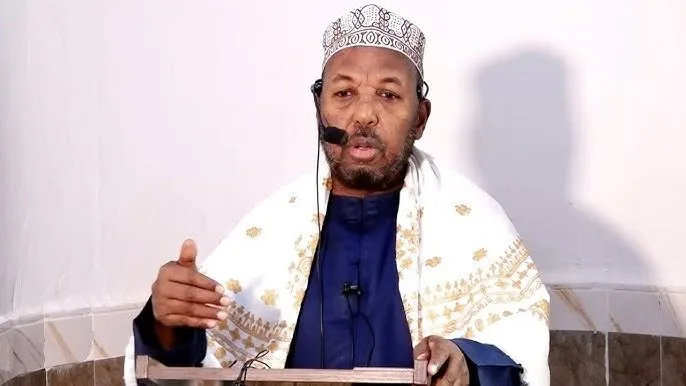
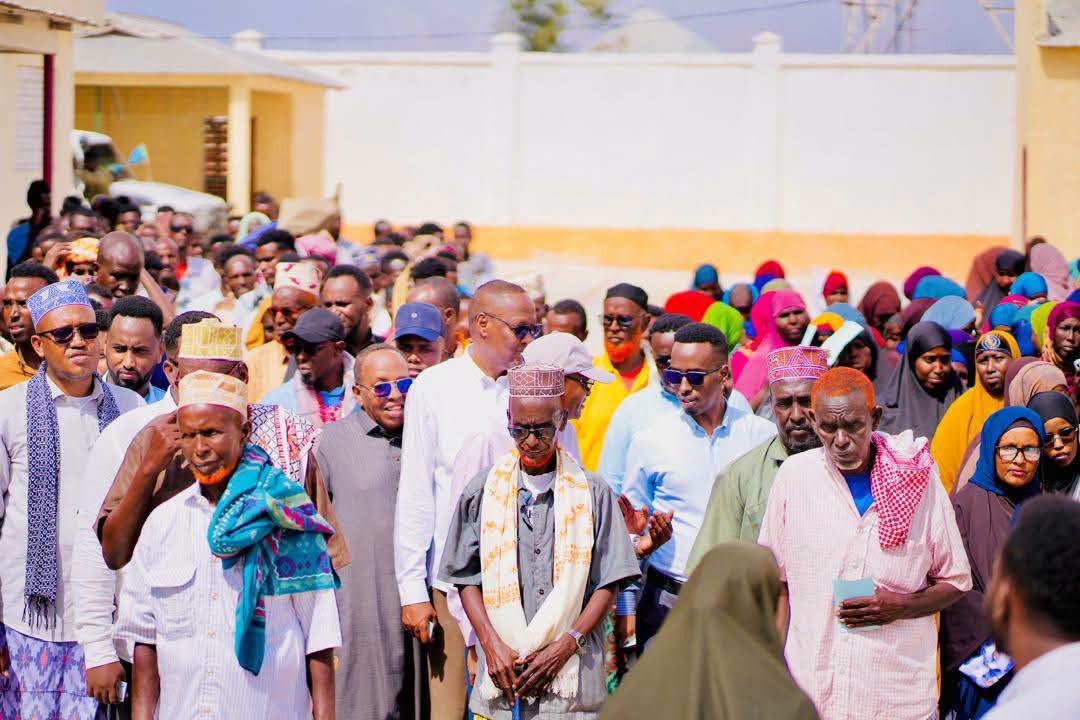
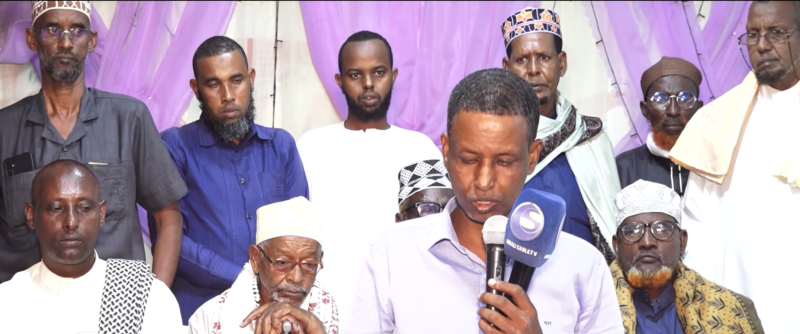
The decision emerged from a multi-day meeting in Beledweyne attended by intellectuals and politicians from the clan, which focused on the political situation in Hiiraan and the approach to forming the administration.
The communiqué issued at the conclusion of the meeting stated that a political process implemented in Hiiraan without agreement and without the consent and participation of the local community is unacceptable.
Xiirey Ahmed Roble, former Secretary of the Banadir Regional Administration, who shared the communiqué with the media, said the Hawadle clan does not support a political process for the region if the Hiiraan community is not part of it.
The clan also called for the formation of the third HirShabelle administration to be based on an inclusive process that all parties agree upon, ensuring justice, representation and power-sharing.
“All elections and procedures not based on agreement and community consent must be halted,” one of the points in the communiqué stated.
Hawadle intellectuals also said that the grievances of the Hiiraan people need to be genuinely addressed, with a solution sought through consultation and political understanding, rather than continuing with steps the community opposes.
The communiqué added that the Hirshabelle administration operating in Hiiraan should consider the decisions reached by the intellectuals and prepare for a new process to build an inclusive administration.
The clan also warned of any unrest or violence resulting from an election that lacks consensus, stating that the electoral committee would bear responsibility for any consequences.
Finally, Hawadle insisted that a sustainable HirShabelle cannot be built while ignoring the grievances and aspirations of the Hiiraan community, and called for the acceleration of a new process to establish an administration different from the current one.
Background and Political Tensions
The development comes amid heightened tensions ahead of the election for HirShabelle’s leadership. Hawadle political figures and community leaders had sought the state’s top leadership position, but those expectations were challenged when the Justice and Solidarity Party (JSP) decided to renominate incumbent President Ali Abdullahi Hussein Guudlawe.
The dispute stems from HirShabelle’s power-sharing arrangement. The state was formed in 2016 from the merger of Hiiraan and Middle Shabelle, with a political agreement that designated Jowhar as the state capital and allocated the presidency to the Hawadle clan. However, in 2020, Guudlawe, an Abgaal politician, won the presidency, prompting many Hawadle political figures to argue that the power-sharing agreement had been violated.
Hirshabelle Vice President Yusuf Ahmed Hagar Dabageed has publicly accused Somali President Hassan Sheikh Mohamud of reneging on a commitment to return HirShabelle’s leadership to the Hawadle clan. Dabageed said the president had told him the HirShabelle presidency would be given to the Hawadle, but later changed his position and backed Guudlawe.
Dabageed has also warned that elections cannot proceed in Hiiraan without a political agreement, saying they could not be held “even in a single village” without consensus, and warned that anyone attempting to proceed without a political settlement would bear responsibility for the consequences.
Critical Note
The Hawadle clan’s forceful resolution marks a significant escalation in the HirShabelle electoral process. The community has made clear that proceeding with elections without consensus will face serious resistance. This position reflects not only specific grievances over the power-sharing arrangement but also broader distrust among the Hiiraan community regarding federal government intervention in local governance.
The National Independent Electoral and Boundaries Commission has scheduled polling for September 30, but that date now faces serious uncertainty. The Hawadle resolution explicitly warns that elections held without agreement will lead to unrest, and that the electoral committee will bear responsibility for the consequences. This language suggests that organized resistance, and potentially more serious confrontation, could follow if the federal government and HirShabelle authorities insist on proceeding.
For the Somali federal government, the situation tests its ability to advance its electoral agenda while maintaining political stability. In the Baidoa precedent, the federal government used military force to resolve a political dispute. The Hawadle are the maternal clan of President Hassan Sheikh, which adds further complexity. If the federal government chooses to respond to Hiiraan’s opposition with force, it risks alienating a community that has played a critical role in the fight against Al-Shabaab.
Recommended Reading On ftlsomalia.com
- Hirshabelle Officials Clash Over Election
- FGS President Mohamud Backs JSP Candidate as Hirshabelle Electoral Tensions Escalate
- Somalia’s Ruling Party Backs Gudlawe for Second Term as Hirshabelle Election Dispute Deepens
- HirShabelle’s Uneasy Path in Somalia’s Federal Journey
- NIEBC Sets September 30 as New Polling Day for Hirshabelle State Elections