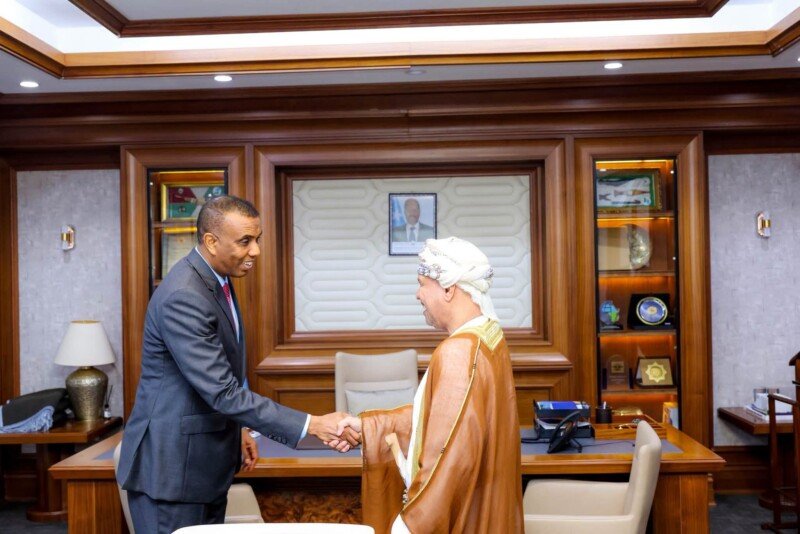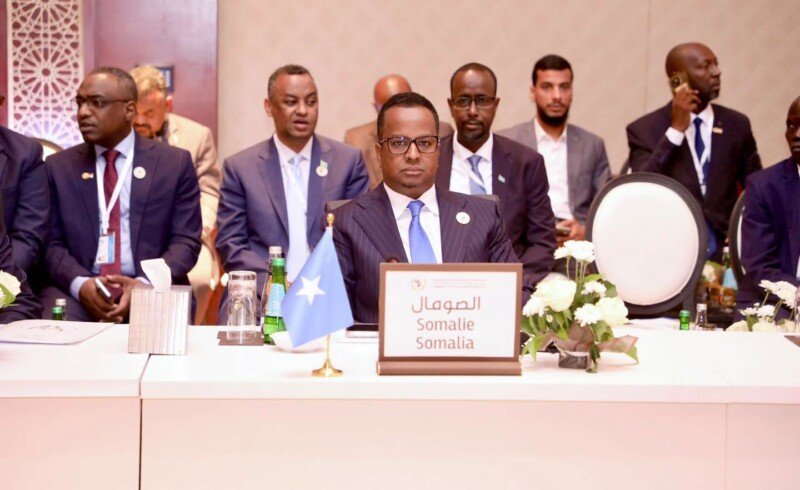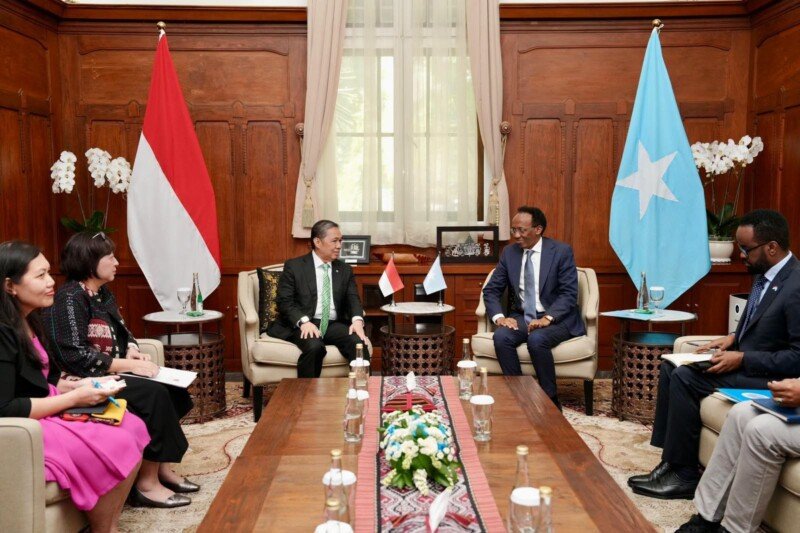
MOGADISHU, Sweden forcibly deported nine Somali nationals on the night of October 27-28, returning them to Somalia on a specially chartered aircraft, the latest in a series of removals that have drawn political scrutiny in Stockholm and raised questions about the financial arrangements underpinning the returns cooperation.
The deportation follows the case of Abas Bashir, a Somali father of six living in Sweden who appealed to President Hassan Sheikh Mohamud in September 2026 as he faced deportation to Mogadishu without his children. Bashir alleged that three individuals from the Office of the Prime Minister were involved in his forced removal, naming Permanent Secretary Kamal Dahir Gutale, former Permanent Secretary Ahmednur Mohamed Abd, and Yahye Ali Ibrahim (Hareri). As reported in FTL Somalia’s coverage of Bashir’s case, his appeal placed the Somali government in a difficult position: if the officials he named were involved, the case would contradict the government’s denials of any covert arrangement with Sweden.
Sweden has been deporting Somali nationals whose asylum claims have been rejected. The Swedish government has acknowledged that it conditioned development assistance on Somalia’s willingness to accept deported nationals, a policy described by Development Minister Benjamin Dousa as a necessary step to ensure that convicted criminals are returned to their home country. Migration Minister Johan Forssell has said the cooperation enabled Sweden to “fivefold the deportations” in a short time.
The EU Weighs Visa Restrictions
The Swedish removals are part of a broader European shift. As reported in FTL Somalia’s coverage of the EU’s visa deliberations, the number of Somali nationals arriving irregularly in the EU more than doubled between 2024 and 2025, prompting interior and justice ministers to approve new restrictive visa measures against Somalia during a meeting of the Justice and Home Affairs Council in Luxembourg on June 4, 2026.
Ministers cited “inadequate cooperation” from Mogadishu on readmission. Cyprus Deputy Minister for Migration Nicholas Ioannides, whose country held the EU presidency, said that when a third country refuses to respond regarding repatriation, it is necessary to “use all the tools at our disposal, including restrictive visa measures.”
FTL Somalia analysts noted at the time that the proposed visa restrictions are unlikely to serve as an effective “stick” to force Mogadishu to change its approach. The number of Somalis who currently have the resources to travel to Europe, meet all the requirements, and are using a regular Somali passport is negligible. For most Somali citizens, the prospect of obtaining a Schengen visa through regular channels remains out of reach.
The Financial Architecture Under Scrutiny
The returns cooperation has been dogged by allegations about how Sweden structured its financial support to Somalia. Swedish media, including Ekot and Dagens Nyheter, have reported that approximately 100 million kronor in development aid was redirected toward projects tied to the Somali Prime Minister’s office, alongside five million kronor from the Ministry of Justice routed through the UN migration agency to fund three positions within the Somali government.
Forssell has denied claims that the funds supported “ghost workers” or supplemented the incomes of already highly paid officials, and Dousa has stated that “no money has gone to the prime minister’s office.” The Somali government has described the allegations as “baseless and misleading,” stressing that no covert arrangement exists between Mogadishu and Stockholm.
The Two Faces of Return Migration
The forced removals from Sweden stand in contrast to the voluntary returns that Somalia and its international partners have facilitated. As reported in FTL Somalia’s coverage of the EU delegation’s visit to the NCRI reintegration centre, Somali returnees receive medical screening, registration with the National Identification and Registration Authority, and assistance in reuniting with their families.
The government has also coordinated closely with IOM on voluntary returns. As reported in FTL Somalia’s coverage of the April 2026 repatriation from Libya, 174 Somali citizens were returned from hazardous conditions in Libya, with Deputy Minister of Foreign Affairs Hassan Mohamed Ali welcoming them at Aden Adde International Airport. Similar operations have brought back hundreds of Somalis from Libya, with reintegration support including medical care, temporary shelter, and psychosocial assistance.
IOM has struggled to fund these voluntary returns even as European governments charter aircraft for forced removals, as reported in FTL Somalia’s coverage of stranded migrants. The contrast between the two streams of return is stark: one is framed around humanitarian protection and dignity, the other around enforcement and deterrence.
Critical Note
The deportation of nine Somalis from Sweden is the latest chapter in a policy that has been widely criticized, including by Swedish media, opposition parties, and human rights organizations. The allegations of ghost workers and funds reaching figures close to the Prime Minister’s Office remain unverified but have not been independently investigated. The Somali government’s denials are categorical, but they do not address the specific claims made by Bashir or the Swedish media reports.
The EU’s visa deliberations add another layer of pressure. The proposed restrictive measures are designed to force Mogadishu to cooperate more fully on readmissions, but as FTL Somalia analysts noted, they are unlikely to change the government’s approach because the number of Somalis who can access regular visa channels is negligible. The measures may satisfy European domestic politics, but they will not address the root causes of irregular migration or the humanitarian concerns of those facing deportation.
For the nine people deported on October 27-28, and for Bashir and others facing removal, the political debate in Stockholm and Brussels is secondary. They arrived in a country many may not know, with limited support and uncertain prospects. The Somali government’s reintegration infrastructure, supported by the EU and IOM, is designed to help them. Whether it can meet their needs, and whether the financial architecture behind their return is as clean as the Swedish government insists, are questions that will continue to shadow this cooperation.
Share your story. FTL Somalia is continuing to follow deportation and reintegration issues affecting Somali nationals abroad. If you have information or insights to share, contact us at info@ftlsomalia.com. Your identity will be protected.
Recommended Reading On ftlsomalia.com
- Abas Bashir in Sweden Alleges Three PM Office Officials Involved in His Forced Deportation
- EU Considers Stricter Visa Measures for Somali Citizens Over Repatriation Cooperation Concerns
- EU Delegation Visits NCRI Return and Reintegration Centre in Mogadishu
- 171 Somali Migrants Stranded in Libya Return Home on IOM Charter Flight
- Stranded in Libya and Bossaso: Somali and Ethiopian Migrants Find Safe Passage Home Amid Funding Shortfalls