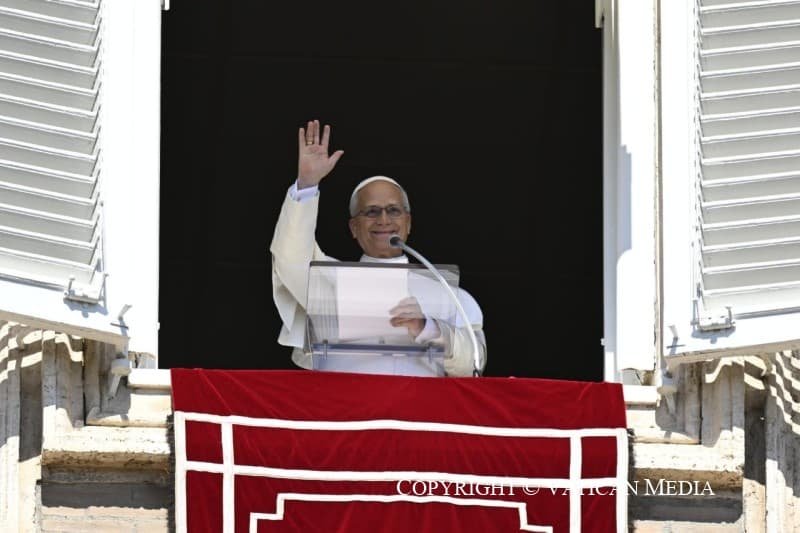
VATICAN CITY — Pope Leo XIV called for international solidarity with Somalia on Sunday, citing ongoing violence and extreme weather that are compounding an already severe humanitarian crisis.
“With great concern, I am following the humanitarian crisis unfolding in certain areas of Somalia,” the pontiff said during the Angelus prayer in St. Peter’s Square. “Acts of violence and extreme weather events are exacerbating the already precarious living conditions of the population, particularly of women and children.”
“I hope for the generous involvement of the international community,” he added, “so that our brothers and sisters may not lack necessary assistance.”
Violence in Baidoa
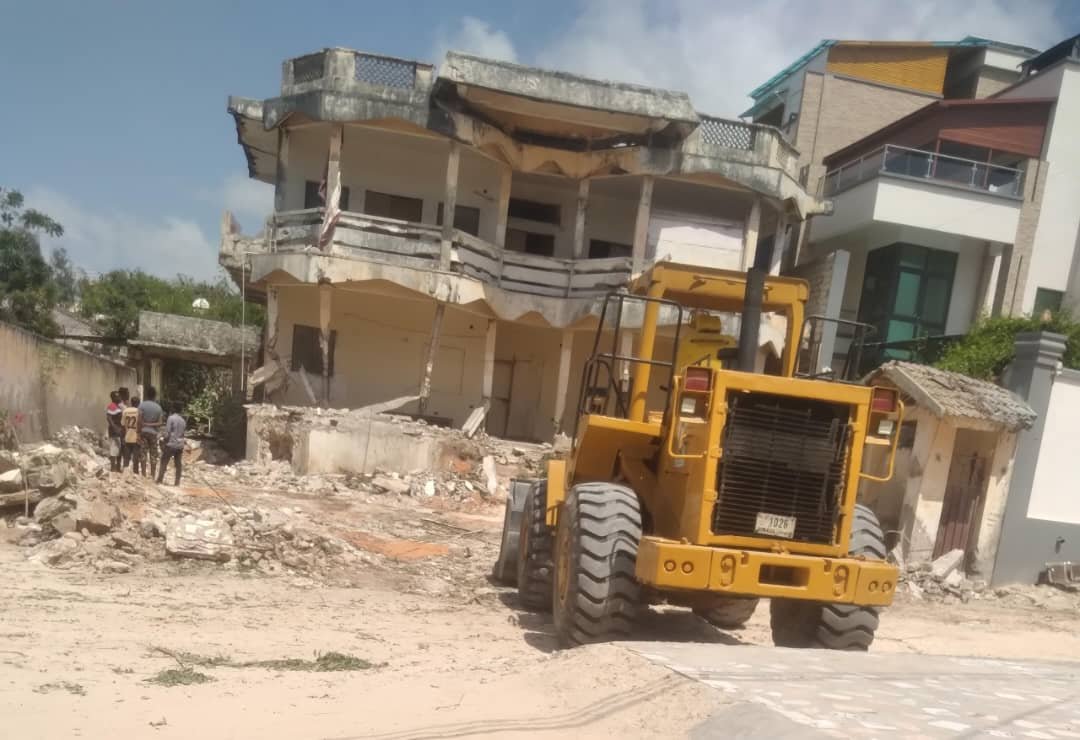
The Pope’s appeal follows renewed clashes in Baidoa, where fighting erupted earlier this month between Somali government forces and militias loyal to former South West State President Abdiaziz Hassan Mohamed Laftagareen. The Defence Ministry said Al-Shabaab fighters also participated in the attack, though the claim could not be independently verified.
According to Dr. Abdikafi Omar Mohamud, head of the emergency department at Bay Regional Hospital, 24 wounded and one dead civilian were received following the clashes. Baidoa hosts more than half a million displaced people, making it a critical humanitarian hub for a region already under severe strain. The ICRC expressed deep concern over the impact of fighting in urban areas, with its teams reporting dozens of casualties and urging all parties to spare civilians.
Drought and Displacement
Severe drought continues to drive displacement across the country. According to the International Organization for Migration, more than 738,000 people were displaced between January and July 2026, a threefold increase compared to the same period in 2025. Approximately 75 percent of those displacements were drought-related.
An estimated 6.5 million people are now facing crisis levels of hunger or worse, an increase of 1.7 million since January, as reported in FTL Somalia’s coverage of the drought displacement crisis. The Famine Early Warning Systems Network continues to assess a credible risk of Famine (IPC Phase 5) between October and December 2026.
The World Food Programme has warned that its resources are expected to be depleted without urgent replenishment, and that it is currently reaching only one in seven people in need of food assistance. The agency has reduced the number of people receiving emergency food assistance from 2.2 million in early 2025 to just over 600,000.
Shipping Disruption and Rising Costs
The humanitarian crisis is being compounded by disruptions to regional shipping routes. Somali businesses are seeking alternative routes due to security concerns around the Bab al-Mandab Strait and the Strait of Hormuz after Houthi fighters captured a key Yemeni port city and an island earlier this month.
Mohamed Ali Nur, director of Mogadishu Seaport, told the Associated Press that the port has worked with exporters to find alternatives. “For the first time, we brought a ship carrying sugar directly from Sri Lanka,” he said. The disruption has raised fuel and commodity prices, weakening purchasing power and further intensifying humanitarian conditions.
Critical Note
The Pope’s appeal adds a prominent moral voice to a crisis that has struggled to command sustained international attention. Somalia’s humanitarian situation is deteriorating on multiple fronts: drought and displacement, renewed political violence, shipping disruptions that drive up food and fuel prices, and a funding shortfall that has forced aid agencies to scale back lifesaving operations.
The gap between the scale of need and the available resources is the central problem. The WFP is reaching a fraction of those in need, and the Famine Early Warning Systems Network warns that famine conditions are possible in the coming months. Diplomatic appeals, however welcome, do not substitute for funding. The international community’s response in the coming weeks will determine whether Somalia faces a repeat of the 2022 crisis, when famine was narrowly averted, or a far worse outcome.
Recommended Reading On ftlsomalia.com
- Drought Now Drives 75% of Displacements in Somalia’s Most Affected Districts
- ICRC Expresses Deep Concern Over Civilian Casualties in Baidoa Clashes
- SoDMA and UN’s George Conway Hold Talks on Drought Response and Super El Niño Preparedness
- Somalia Denies Closing Bab el-Mandeb Strait to Israeli Ships
- Aid Cuts Leave Somalia Vulnerable as Health Systems Struggle
- Somalia Launches World Bank–Backed Project to Bolster Disaster Preparedness