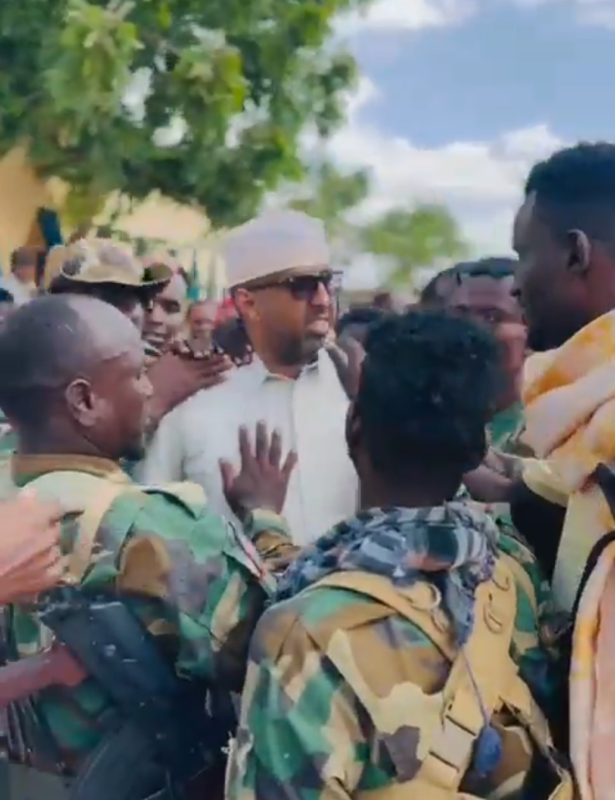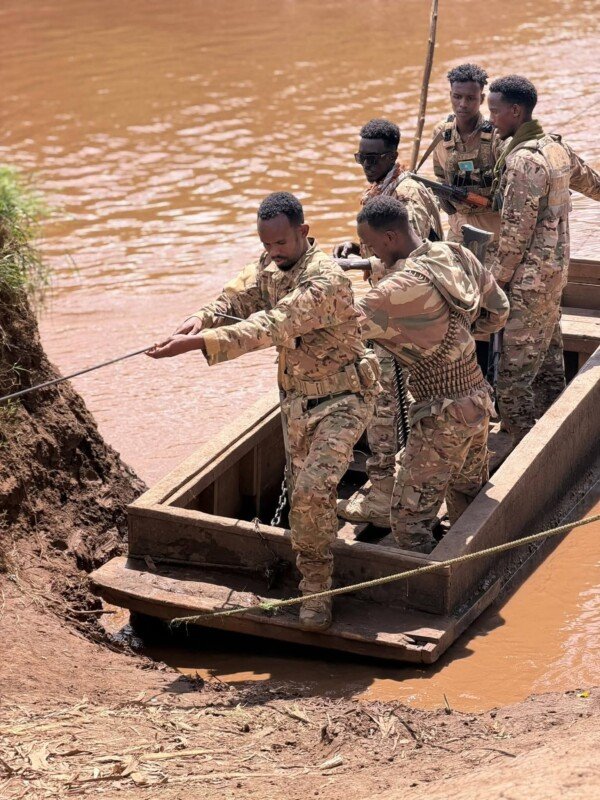
MOGADISHU — Somali National Army special forces carried out a planned overnight operation in the Jowhar-yarey area of Lower Shabelle, targeting routes and waterways used by Al-Shabaab to move around the area, according to military sources.
The operation, conducted by the 161st unit of the 16th Danab Brigade, began on Monday night and continued into the early hours of Tuesday. Troops focused on restricting movement through key routes and waterways, military sources said.
The forces took measures to disrupt the group’s access to boats and other passages used for movement, while increasing security and surveillance around strategic locations in Jowhar-yarey. The operation is part of a broader campaign by Somali government forces in Lower Shabelle aimed at restricting Al-Shabaab’s mobility and weakening its ability to operate in areas where waterways and other transport routes are important.
As reported in FTL Somalia’s coverage of the Danab Brigade, the 16th Danab Commando Brigade has been the centrepiece of internationally supported efforts to build a professional Somali commando capability. The training curriculum has evolved to include human rights and legal instruction, reflecting concerns about accountability within the security forces.
Danab forces have been involved in operations against Al-Shabaab across parts of southern and central Somalia. Lower Shabelle remains an important area of military operations because of its proximity to Mogadishu and the network of roads and waterways connecting communities across the region.
The military did not provide details on casualties or say whether any Al-Shabaab fighters were captured or killed during the Jowhar-yareey operation.
Danab’s Expanding Operational Role
The Jowhar-yarey operation is the latest in a series of planned missions conducted by the Danab Brigade across southern and central Somalia. The unit has been deployed to disrupt Al-Shabaab’s networks, target its leadership, and support community reconciliation efforts.
Earlier this year, Danab forces conducted a security campaign in the Yaaq Bari Weyne area of Lower Shabelle, focusing on enhancing population security, combating terrorist elements, and supporting peace and coexistence initiatives between different segments of the local community. As reported in FTL Somalia’s coverage of international support, the United States has been a key partner in training and equipping the Danab Brigade since its establishment.
In September 2026, the Danab Brigade conducted planned operations in the Madax-Maroodi area of Lower Shabelle as part of ongoing efforts to strengthen security and pursue Al-Shabaab militants operating in the area.
Critical Note
The Jowhar-yarey operation reflects the Danab Brigade’s continued role as the Somali National Army’s primary offensive force against Al-Shabaab in Lower Shabelle. The focus on disrupting waterways and transport routes is tactically significant: Al-Shabaab relies on these networks for logistics, revenue collection, and movement of fighters. Cutting off those routes degrades the group’s operational capacity and complicates its ability to evade government forces.
However, the operation also highlights a recurring limitation in the government’s counterinsurgency campaign. Military sources did not report casualties, captured fighters, or seized equipment. While disrupting routes is valuable, the absence of measurable outcomes makes it difficult to assess the operation’s impact. Previous Danab operations have produced concrete results, including the killing of Al-Shabaab commanders and the capture of suspects, but the Jowhar-yarey mission appears to have been primarily about denying mobility rather than engaging the enemy directly.
The broader context is that Somalia’s security transition is entering a critical phase. The African Union mission is preparing to draw down, and Somali forces are expected to assume greater responsibility. The Danab Brigade will be expected to fill gaps left by departing international forces. Whether the training they have received translates into sustained operational capability, and whether they can be sustained without the levels of external support they have received to date, will determine the trajectory of the security transition.