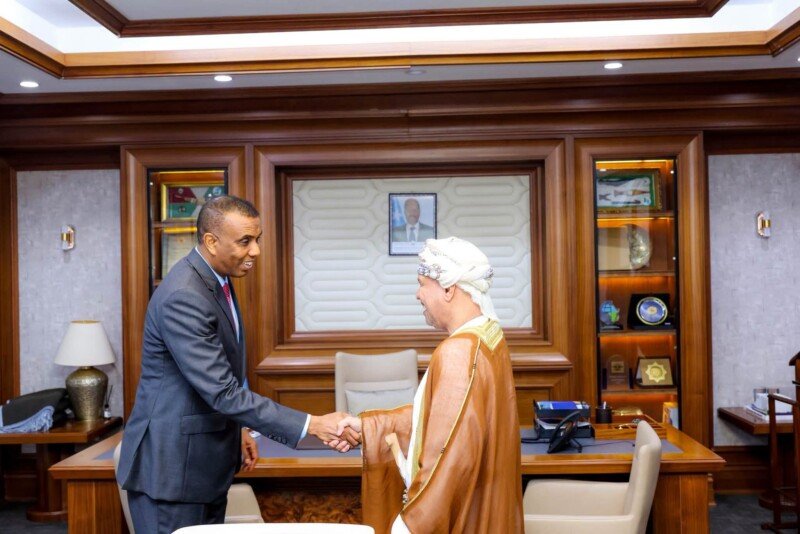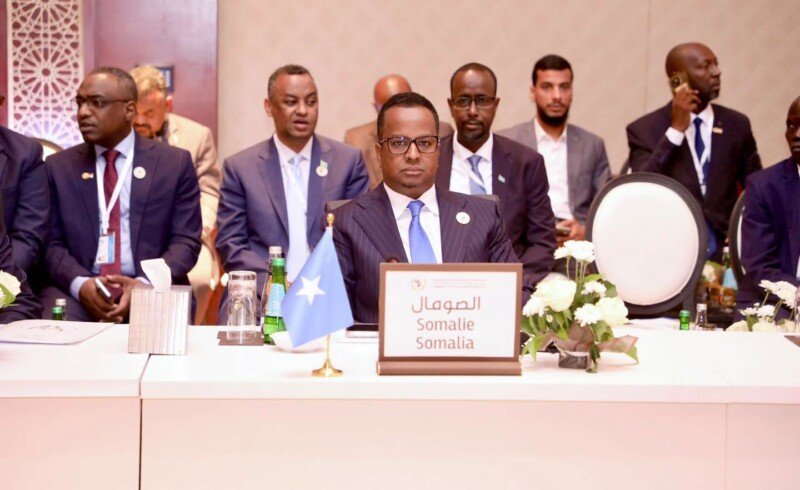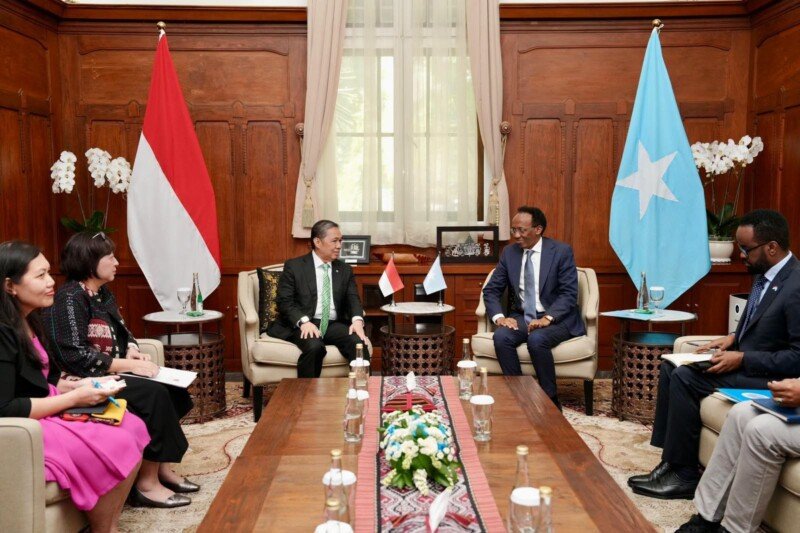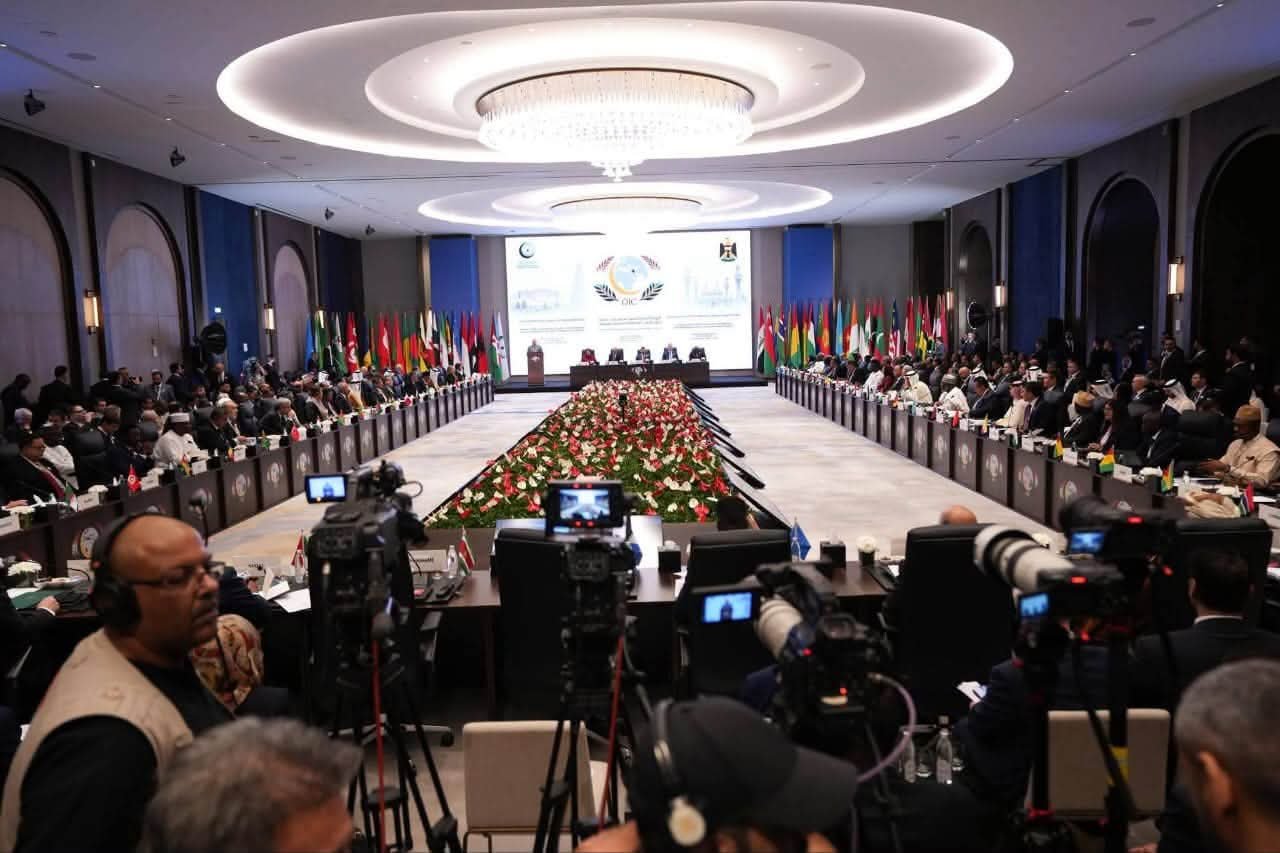
MOGADISHU — Somalia’s Minister of Foreign Affairs and International Cooperation, Abdisalam Ali, is participating in the opening of the 52nd session of the Council of Foreign Ministers of the Organization of Islamic Cooperation (OIC), according to a statement from the Ministry.
The session is focused on dialogue and unity as the foundation for peace, security and sustainable development, with the meeting’s agenda giving particular priority to the Palestinian cause and regional tensions.
The Federal Government of Somalia congratulated Iraq on assuming the presidency of the Council for this session.
A Consistent Record of Support for Somalia’s Sovereignty
Somalia’s engagement with the OIC is grounded in a track record of tangible diplomatic support during two of the country’s most significant recent sovereignty challenges.
When Israel announced its recognition of Somaliland in December 2025, both the OIC and the Arab League moved quickly to reject the move. The OIC described Israel’s decision as “a violation of the sovereignty, unity and territorial integrity of the Federal Republic of Somalia,” while the Arab League called it “invalid and illegal” and a “clear violation of Somalia’s sovereignty and territorial unity”. The Arab League further warned that such actions posed a direct threat to Arab national security and stability in the Red Sea, Gulf of Aden, and the Horn of Africa.
The OIC reinforced this position in May 2026, condemning Somaliland’s plan to open an embassy in Jerusalem and reiterating its “complete and unwavering solidarity with the Federal Republic of Somalia, and its steadfast support for Somalia’s national sovereignty, territorial integrity, and regional security” [citation:3]. The Arab League echoed the condemnation, describing the move as legally void and a provocation to the Arab and Islamic worlds.
On the Ethiopia-Somaliland Memorandum of Understanding signed in January 2024, the Arab League acted with equal firmness. An emergency session of the Arab League Council issued a resolution affirming support for Somalia’s sovereignty and territorial integrity, deeming the MoU “null and void” and a “flagrant violation” of international law [citation:2]. The resolution explicitly stated that Somaliland constitutes an integral part of the Federal Republic of Somalia and supported Mogadishu’s efforts to challenge the MoU at the International Court of Justice.
The Arab Ministerial Working Group, which includes Saudi Arabia, Bahrain, Mauritania, Egypt, Djibouti, and the Arab League Secretary-General, has met repeatedly to coordinate support for Somalia. As reported in FTL Somalia’s coverage of the Alamein Declaration, the four leaders of Egypt, Eritrea, Sudan and Somalia affirmed their coordination on regional security, with the declaration explicitly rejecting any recognition of Somaliland and aligning with the OIC and Arab League positions [citation:6].
Iraq’s Presidency and the OIC Agenda
Iraq’s assumption of the OIC Council presidency marks a significant moment for the organization. Baghdad has signaled its intention to focus on unity and dialogue, a theme that resonates with Somalia’s own experience of conflict and reconciliation.
The OIC has been a consistent supporter of Somalia’s reconstruction efforts, providing humanitarian assistance, development funding and political support. The organization’s rejection of Somaliland recognition, alongside the Arab League’s parallel stance, has been a key element of the federal government’s diplomatic strategy.
Critical Note
The OIC and Arab League’s support for Somalia’s sovereignty has been real and consequential. Their rejections of Israel’s recognition of Somaliland and the Ethiopia-Somaliland MoU provided Mogadishu with diplomatic cover at moments when its territorial integrity was under direct challenge. This support deserves recognition, not dismissal.
However, diplomatic solidarity is not the same as material change. The OIC and Arab League’s resolutions affirmed Somalia’s unity, but they did not reverse Israel’s recognition or force Ethiopia to abandon the MoU. The MoU collapsed under broader pressure, including from the Arab League, Egypt, and the Arab League’s warnings about regional stability. Israel’s recognition of Somaliland remains in place despite the OIC and Arab League’s condemnations.
For Somalia, the OIC session provides a platform to reinforce relationships that have proven valuable. But the real test of Somalia’s diplomacy will be whether it can translate this solidarity into concrete support for its security, development and sovereignty. The OIC and Arab League can help, but they cannot substitute for the difficult work of building state capacity and addressing the internal divisions that continue to fragment the country.
Share your story. FTL Somalia is continuing to investigate Somalia’s diplomatic relations and its engagement with international organizations. If you have information or insights to share, contact us at info@ftlsomalia.com. Your identity will be protected.