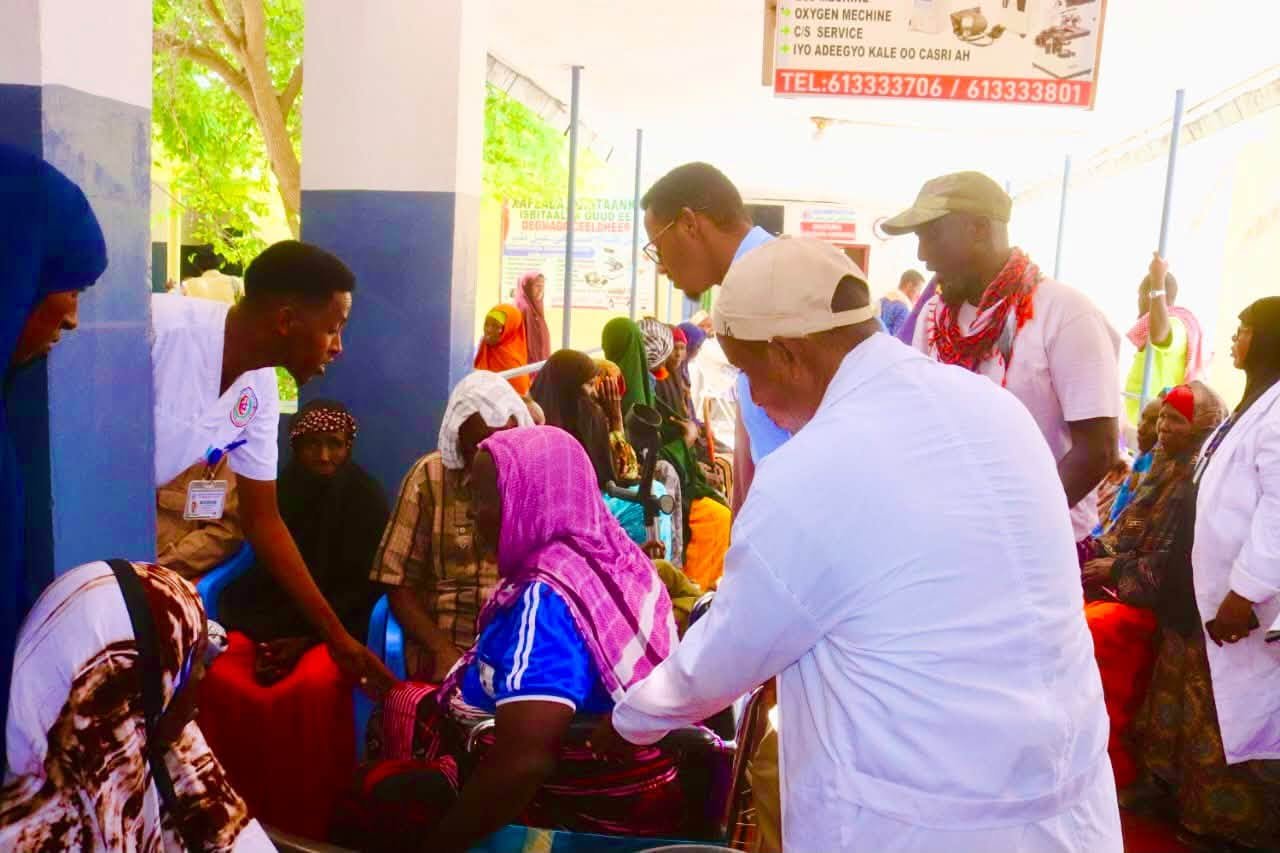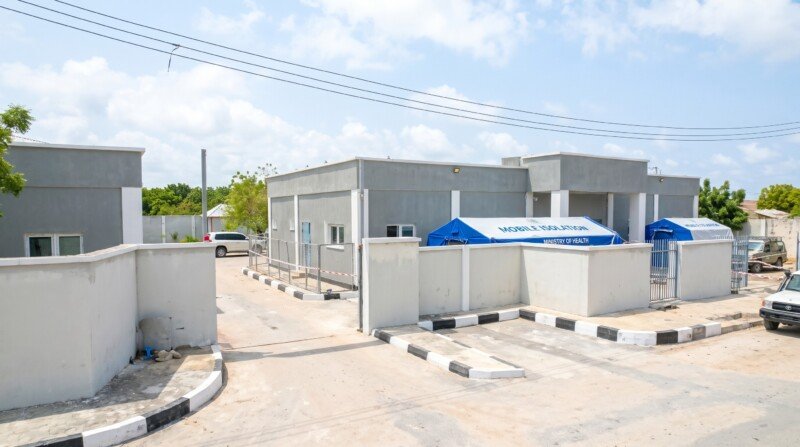
MOGADISHU — Somalia’s Ministry of Health has quarantined ten Somali citizens who returned from the Democratic Republic of Congo, having transited through Uganda, at the Ebola treatment and quarantine centre in Mogadishu.
According to a Ministry of Health statement issued on 12 October, the individuals are undergoing laboratory testing and medical monitoring. Contact tracing is also underway for people they interacted with during their journey and after arriving in the country.
The measure follows growing concern over the risk of Ebola transmission and earlier reports of a single individual suspected of having contact with a person carrying the virus. The quarantine of ten people indicates that the government has expanded its precautionary and public health follow-up measures.
The Ministry of Health has not confirmed that any of the quarantined individuals have tested positive for the Ebola virus. The quarantine and testing are precautionary measures, not confirmation that the disease has reached Somalia.
The test results will be critical in determining the next steps. The government is also expected to keep the public regularly informed about the health situation to prevent unfounded rumours and unnecessary fear.
Previous Quarantine Case
The expansion of quarantine measures follows an earlier case in which a Somali citizen who travelled with a Kenyan man later confirmed to have died of Ebola in Nairobi was quarantined at Forlanini Hospital in Mogadishu. As reported in FTL Somalia’s coverage of the initial quarantine, the Somali citizen arrived at Mogadishu airport on 3 October after travelling from the DRC through Uganda and Addis Ababa. The Kenyan citizen died of Ebola in Nairobi on 5 October.
That case exposed significant gaps in Somalia’s border health defences. As detailed in FTL Somalia’s coverage of the Kenyan case, a 2024 baseline assessment conducted with WHO Somalia found that IHR core capacities at Somali points of entry averaged 27 percent, with airports at only 20 percent. The assessment noted no dedicated isolation areas, no biosecure transport for suspected cases, and no standard operating procedures for disease detection at Somali airports.
Somalia’s Preparedness Measures
The Somali Cabinet approved measures to prepare for a possible Ebola outbreak on 8 October and formed a six-ministry committee chaired by Second Deputy Prime Minister Jibril Haji Abdi. As reported in FTL Somalia’s coverage of the Cabinet meeting, the committee includes the ministries of health, security, foreign affairs, transport, information and livestock.
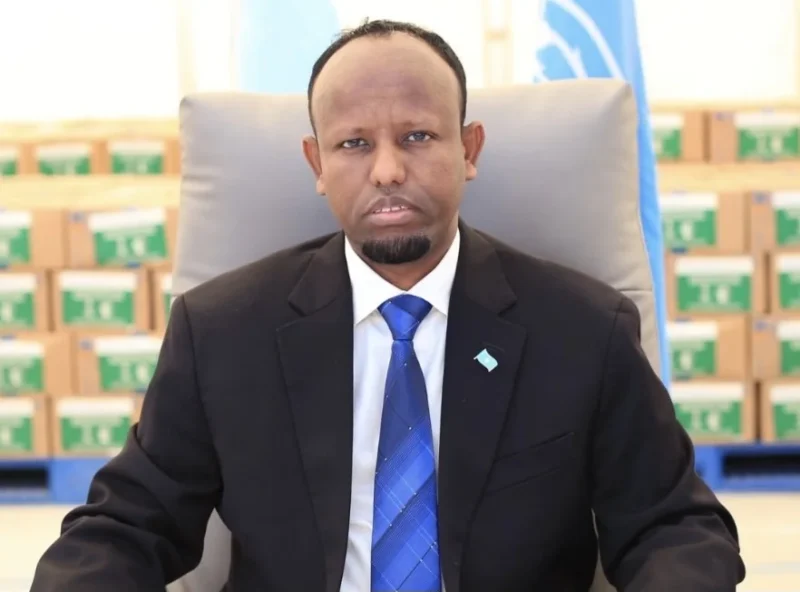
Health Minister Dr. Ali Haji Adan said medical teams had been deployed to airports to monitor passengers arriving from African countries, particularly after the confirmed case in neighbouring Kenya. “We have deployed a medical team to the airport to monitor flights arriving from African countries. We are now intensifying our preparedness after Ebola reached Kenya,” the minister said.
Puntland also raised its Ebola alert following the Kenyan case. As detailed in FTL Somalia’s coverage of the Puntland alert, the Puntland Ministry of Health said it was stepping up preparedness, early detection, and rapid response mechanisms.
Regional and International Support
Somalia’s preparedness efforts have been supported by regional and international partners. From September 28 to October 1, technical experts from IGAD and Somalia’s One Health line ministries completed a four-day joint mission in Mogadishu, developing a costed, time-bound Ebola Virus Disease preparedness and response workplan. The mission was part of the broader Preparedness for Pandemic Response project funded by the Pandemic Fund, with WHO as the implementing agency.
In September 2026, Somalia’s Ministry of Health and Human Services and the National Institute of Health, with support from WHO, conducted a three-day national simulation exercise in Mogadishu to test detection, verification, reporting and response protocols for a suspected imported Ebola case. The exercise identified gaps in reporting lines, notification and referral pathways, point-of-entry arrangements, and governance of public communication. Each finding was assigned to an improvement action plan.
The WHO has warned that the ongoing Ebola outbreak in the Democratic Republic of Congo, caused by the Bundibugyo strain, poses a risk of cross-border transmission. As of September 7, 2026, WHO reported 6,757 confirmed cases and 3,267 deaths across 61 health zones in six provinces.
Critical Note
The quarantine of ten individuals represents a significant expansion of Somalia’s precautionary measures. The Ministry of Health’s decision to quarantine a larger group suggests either that the initial case involved more contacts than previously disclosed, or that authorities are casting a wider net as a precaution. Either way, the move reflects a more robust response than the single-case quarantine announced earlier.
The Ministry’s transparency in announcing the quarantine is welcome. Public health scares are often accompanied by misinformation and stigma, and the Ministry has explicitly called on the public to avoid spreading unverified information and to refrain from stigmatising the quarantined individuals and their families.
However, the structural gaps remain. Somalia’s points of entry have IHR core capacities of only 20 percent. The country lacks functioning isolation facilities, biosecure transport, and a viral hemorrhagic fever laboratory referral network. The quarantine at Forlanini Hospital is a step in the right direction, but it does not resolve the broader gaps in Somalia’s ability to detect and contain an imported Ebola case.
The fact that individuals who travelled from the DRC through Uganda were not identified until after the Kenyan victim’s death in Nairobi suggests that screening at Somali points of entry is not catching all potential cases. The test results for the ten quarantined individuals will be closely watched. If any test positive, Somalia will face its first confirmed Ebola case and the full weight of its preparedness system will be tested. If all test negative, the incident will serve as a warning of the risks that remain.
Share your story. FTL Somalia is continuing to investigate Somalia’s Ebola preparedness and the risks posed by cross-border transmission. If you have information or insights to share, contact us at info@ftlsomalia.com. Your identity will be protected.