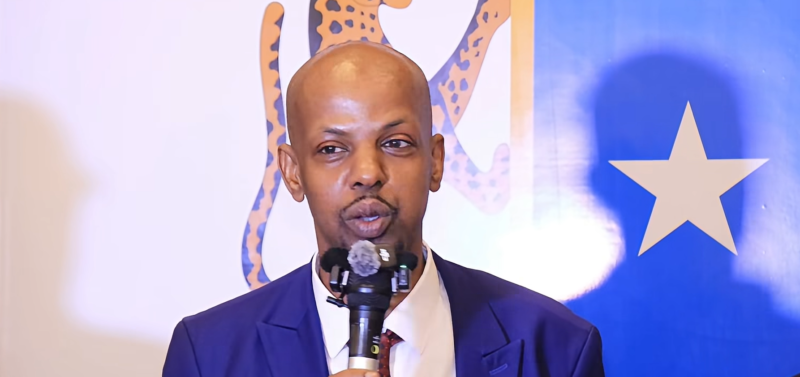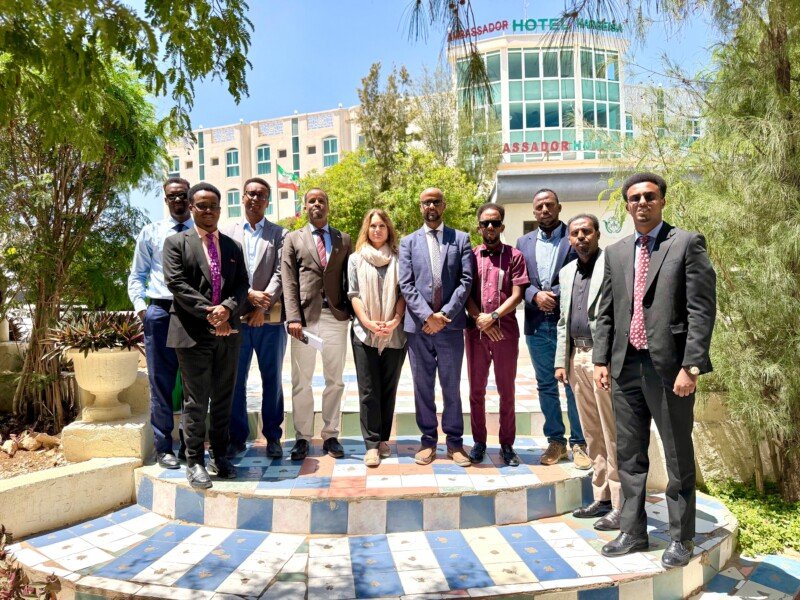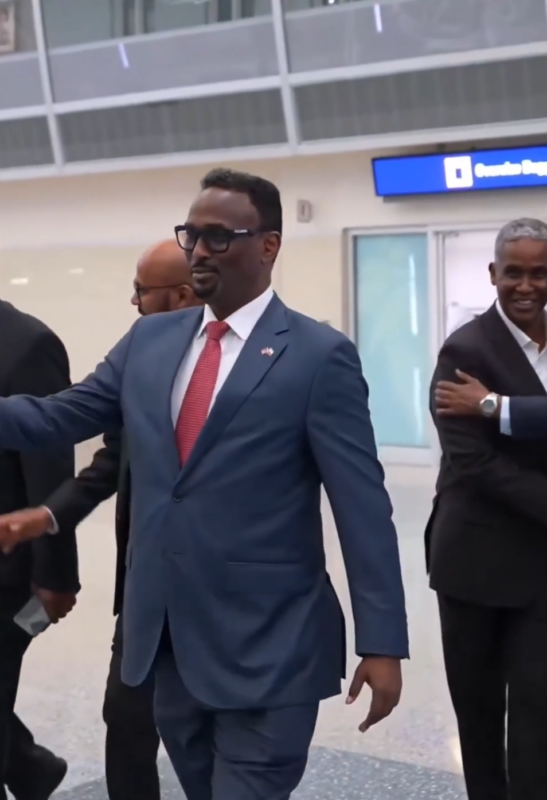
MINNEAPOLIS — A high-level Somaliland government delegation comprising cabinet ministers, members of parliament, presidential advisors, and senior state officials has arrived in Minnesota, as part of a broader outreach effort to the Somaliland diaspora in North America.
The visit follows a series of high-level engagements in Washington, where President Abdirahman Mohamed Abdullahi (Irro) met with members of both chambers of US Congress, senior administration officials and think tanks.
A Significant Diaspora Hub
Minnesota is home to one of the largest Somali-speaking communities in the United States, including a substantial population active in business, education, and public affairs. The state has emerged as a key centre for Somaliland diaspora political organising in recent years.
Recognition Push Amid Regional Debate
The delegation’s visit to Minnesota comes amid ongoing international debate over Somaliland’s status. In December 2025, Israel became the first UN member state to formally recognise Somaliland as an independent state, as reported in FTL Somalia’s coverage. The move was welcomed by Somaliland but condemned by Somalia, Egypt, Turkey, and Djibouti, which affirmed their “full support for the unity, sovereignty and territorial integrity of Somalia,” as detailed in FTL Somalia’s report on the Arab League response.
In January 2026, President Donald Trump indicated he was not ready to follow Israel’s lead, telling the New York Post that he had to “study” the issue. A State Department report to Congress in June 2026 reaffirmed that Washington recognises “the sovereignty and territorial integrity of the Federal Republic of Somalia, which includes the region of Somaliland,” as reported in FTL Somalia’s coverage of the report. President Irro himself acknowledged during his Washington visit that no American commitment on recognition has been made.
Fraud Scandal Casts Shadow Over Delegation
The delegation’s visit to Minnesota carries particular sensitivity given the presence of Foreign Minister Abdirahman Dahir Adan, whose wife, Muna Wais Fidhin, was arrested in September 2025 as the 75th defendant charged in the sprawling Feeding Our Future fraud scheme, the largest COVID-19 relief fraud case in US history.
Fidhin, 44, was indicted on ten federal counts, including three counts of wire fraud, four counts of federal programs bribery, and three counts of money laundering. Prosecutors allege she fraudulently claimed to have served more than 300,000 meals to children at her businesses, M5 Café and M5 Care, defrauding the Federal Child Nutrition Program of approximately $1 million.
The indictment alleges that Fidhin used the proceeds to pay off her mortgage, purchase a car, fund her lifestyle, and wire tens of thousands of dollars abroad. The allegations specifically allege that portions of the funds were transferred through WorldRemit to support the Somaliland presidential campaign of Abdirahman Irro.
Separate reports have alleged that Fidhin contributed $120,000 to Irro’s 2024 presidential campaign, and that this payment secured her husband’s position as Foreign Minister. These allegations, made by critics and opposition figures, have not been independently verified by FTL Somalia.
The scandal has been described as threatening to derail Somaliland’s three-decade quest for international recognition, undermining its central claim to be a law-abiding “oasis of stability” in the Horn of Africa. The foreign minister’s presence in Minnesota, where his wife faces prosecution, adds a further layer of complication to the delegation’s outreach efforts.
Critical Note
The Somaliland delegation’s arrival in Minnesota reflects a calculated strategy to mobilise diaspora support in a state that has become a focal point for both Somaliland advocacy and broader debates about Somali political engagement in the United States. Minnesota’s Somaliland-American community is one of the largest and most organised in the country, and the delegation’s presence signals that Hargeisa views diaspora political capital as a meaningful asset in its recognition campaign.
However, the timing is deeply complicated. The presence of Foreign Minister Abdirahman Dahir Adan, whose wife faces federal fraud charges directly connected to alleged campaign contributions to President Irro, raises uncomfortable questions about the integrity of Somaliland’s governance and the funding of its political system. The Feeding Our Future scandal has already been identified as a direct threat to Somaliland’s recognition narrative, undermining the claim that Hargeisa represents a clean break from the corruption that has plagued Mogadishu.
For Somaliland, the challenge is to translate diaspora mobilisation into tangible political influence in Washington. The community can organise, advocate, and vote, but recognition remains a decision made by the White House and Congress, not by state-level officials. The delegation’s engagements in Minnesota may strengthen community ties and build local political goodwill, but whether that translates into a shift in US policy on recognition remains highly uncertain.