MOGADISHU, Uganda has begun withdrawing its troops from Somalia, with the first flight carrying 109 soldiers departing Aden Adde International Airport this week, according to Somali-language reports that could not be independently verified.
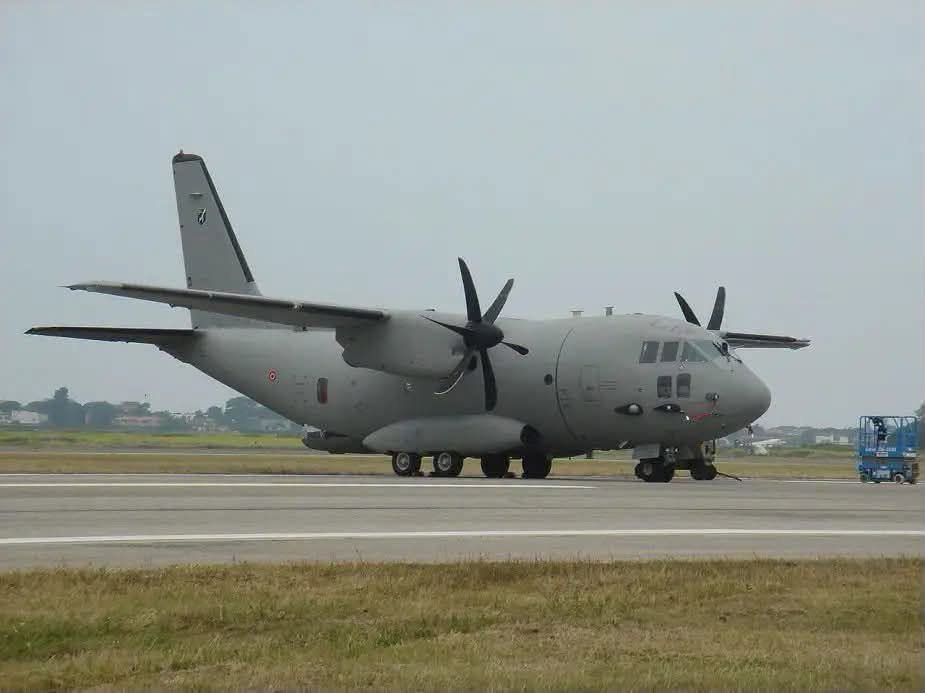
The aircraft, a Kenyan-owned Fokker F-100 leased by Uganda and registered as 5Y-SKE, was described by Somali sources as the first flight carrying part of the Ugandan contingent out of Mogadishu. The reports said Uganda’s President Yoweri Museveni had told President Hassan Sheikh Mohamud that part of his forces would leave by November 15, and that Ugandan positions in Lower Shabelle were expected to be vacated by November 4.
The withdrawal was confirmed in broader terms by Uganda’s Chief of Defence Forces, General Muhoozi Kainerugaba, who announced on October 29 that the Uganda People’s Defence Forces had begun pulling out. “As we promised, we have started withdrawing UPDF from Somalia,” Kainerugaba posted on X. “After 20 years of a lot of blood and sacrifice we are handing over security to our Somali brothers.”
The departure follows a meeting between Museveni and Mohamud in Entebbe on October 26, during which the Somali president asked Uganda to keep its troops in the country longer. As FTL Somalia reported, Mohamud had appealed to Museveni to delay the withdrawal from Barawe, Bulo Marer, Qoryoley, and Janaale, to allow Somali forces more time to prepare to take over security responsibilities.
Museveni did not agree. According to reporting, the Ugandan leader had previously warned that Uganda could withdraw its troops if Mogadishu failed to reach a negotiated settlement with political stakeholders opposed to its proposed electoral system. The meeting in Entebbe, according to the Ugandan readout, focused instead on Museveni’s appeal for Somali unity against Al-Shabaab and on expanding Ugandan coffee exports to Somalia.
The Funding Crisis Behind the Withdrawal
Uganda’s decision is rooted in a funding crisis that has been building for months. The United States notified the African Union in 2026 that it would end funding for the UN Support Office in Somalia, which provides logistics including troop rotations, transport, food, fuel and medical supplies. As FTL Somalia reported, UNSOS operational costs amount to roughly half a billion dollars annually, approximately three times AUSSOM’s own budget, and the loss of that support threatens to pull the logistical foundation from under the mission.
The UN support office has already begun preparing for liquidation, issuing a public tender seeking auctioneers to sell generators, medical equipment, prefabricated accommodation, and heavy machinery valued at approximately $30 million. As FTL Somalia noted in its analysis of Uganda’s withdrawal, “the drawdown is no longer a threat. It is happening.”
Uganda’s presence in Somalia has two tracks. Under AUSSOM, Uganda contributes approximately 4,500 troops to the multilateral mission. Separately, Uganda maintains a bilateral force of roughly 2,000 personnel under a security agreement signed with Mogadishu in late 2024. Kainerugaba’s statement did not clarify whether the withdrawal affects the AUSSOM contingent, the bilateral force, or both.
The Lower Shabelle Question
The areas affected by the Ugandan drawdown include positions in Lower Shabelle, a region that serves as a defensive buffer for Mogadishu and has long been a battleground in the campaign against Al-Shabaab. The withdrawal will place additional pressure on the Somali National Army to take over positions currently secured by Ugandan forces, including areas around Mogadishu and its approaches where Al-Shabaab has repeatedly carried out attacks.
Lower Shabelle has also been the site of recurring governance vacuums when security presence recedes. As FTL Somalia reported, tensions have mounted in the Janaale, Baqal, Xawaaloow and Lambar 60 areas amid clan disputes over administrative control and authority in territory where Al-Shabaab’s grip has weakened. The pattern is familiar: whenever the militant group’s control is removed or reduced, unresolved local disputes resurface, and weak administrative institutions create openings for armed mobilisation.
The sources said the Somali government’s forces had limited capacity to hold the vacated positions, and that reports had emerged of militants moving into some of the affected towns, though these reports could not be independently verified. Neither the Somali government nor the African Union had publicly confirmed the specific locations or the handover schedule at the time of the reports.
A Withdrawal Forewarned
Uganda’s decision to pull out is not a surprise. At a summit of AUSSOM troop-contributing countries in Kampala in July 2026, African leaders endorsed a phased and coordinated withdrawal, while Somali officials insisted that political matters should remain domestic. As FTL Somalia reported, Mohamud objected to provisions in the summit communiqué that referenced Somalia’s internal political affairs, saying “the local politics of Somalia must not be internationalized or regionalized.”
Museveni, who chaired that summit, had already signalled that African troop contributors were prepared to act on their own terms. Uganda’s Defence Minister, Kiryowa Kiwanuka, said in August 2026 that Uganda would remain in Somalia even if the AU mission ended, citing the bilateral agreement. Kainerugaba’s announcement appears to contradict that position, or at least to suggest that a full withdrawal is now the preferred course.
Uganda was the first country to deploy troops to Somalia under the African Union mission in 2007, and its forces played a central role in pushing Al-Shabaab out of major southern cities. As FTL Somalia reported when Kainerugaba first announced the intent to withdraw, Ugandan personnel have constituted the largest component of the mission, with approximately 5,000 to 6,000 soldiers stationed in the country, protecting critical government facilities including Aden Adde International Airport and Mogadishu Port.
The current withdrawal appears driven less by a judgment that Somali forces are ready than by a political calculation in Kampala that the conditions for continued deployment have changed. As FTL Somalia noted in its analysis, Muhoozi’s statement “is a social media post, not a formal military order, and it lacks the operational detail that a withdrawal of this significance requires. It does not say how many troops are leaving, from which bases, or whether the bilateral force will remain.”
Critical Note
The first Ugandan flight out of Aden Adde is a milestone that raises more questions than it answers. The 109 soldiers who departed are a fraction of Uganda’s contribution, but their departure signals that the political arithmetic in Kampala has shifted. Mohamud asked for more time and did not get it. The public Ugandan readout of the Entebbe meeting mentions coffee exports and unity speeches, not a security agreement. That silence is telling.
The timing of the withdrawal, tied to Somalia’s unresolved election dispute, suggests that Uganda is using its troop presence as leverage in a political argument that Mogadishu has been unwilling to settle. Whether that leverage produces a negotiated outcome or simply accelerates a security vacuum in Lower Shabelle is an open question. The sources who told Garowe Online that Somali forces cannot hold the vacated positions, and that militants have already moved into some areas, deserve a serious response from a government that has spent months insisting it is ready to take over.
The funding crisis is not a footnote to this story. It is the story. Uganda is leaving not because it wants to, but because the logistical architecture that sustained its deployment is being dismantled by a decision made in Washington. The same is true for every other troop-contributing country watching Kampala’s move. Somalia’s security transition is being forced by financial realities beyond Mogadishu’s control, and the government’s insistence that it is ready has not been matched by a public accounting of what happens when the money and the troops are gone.
Uganda’s 2007 deployment was an act of regional solidarity that helped change the trajectory of the war. Its withdrawal, nearly two decades later, is a reminder that solidarity has limits, and that the terms of Somalia’s security are ultimately set not only in Mogadishu but in the capitals of the countries that have carried the burden of the fight, and in the budget offices of those who paid for it.
Recommended Reading On ftlsomalia.com
- The First Domino: Uganda’s Withdrawal and the Unravelling of Somalia’s Security Architecture
- National Security Adviser and AUSSOM Chief Meet at Villa Somalia to Discuss Transition
- African Leaders Endorse Phased AUSSOM Withdrawal as Somalia Rejects Internationalization of Domestic Politics
- Governance Vacuum Fuels Clan Mobilisation in Lower Shabelle Following Al-Shabaab Withdrawal
- Uganda Announces Intent to Withdraw Troops from Somalia After 19 Years