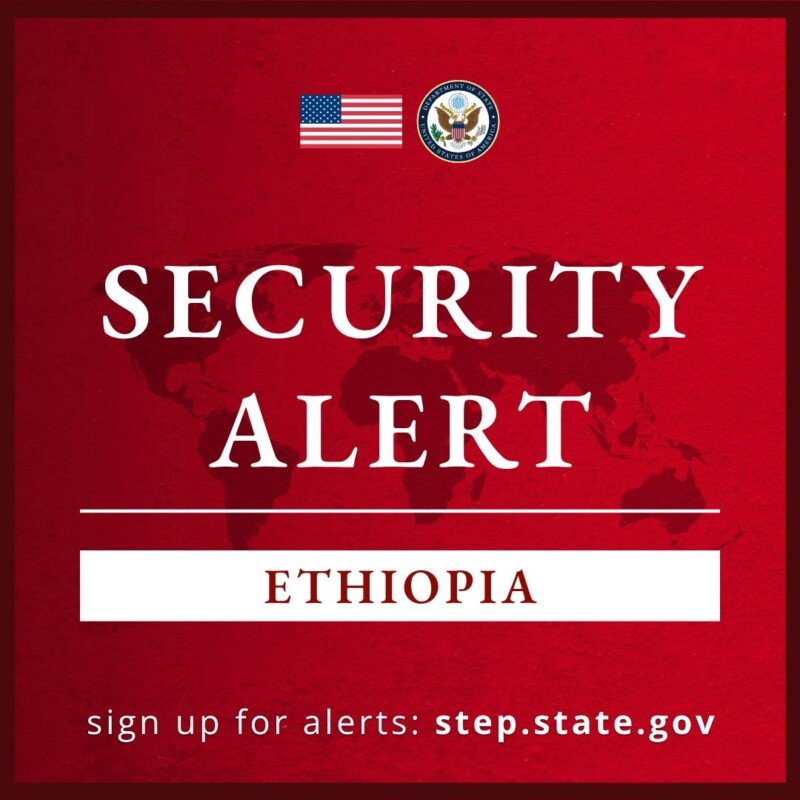
ADDIS ABABA — The U.S. Embassy in Addis Ababa issued a security alert on September 16 warning of possible threats to foreigners, including U.S. citizens, in Doolo Zone of Ethiopia’s Somali Region, and advised Americans not to travel to the area.
The embassy said U.S. government personnel are no longer permitted to travel to Doolo Zone without special authorization due to increased risks to foreigners traveling in the area. The advisory urged U.S. citizens to avoid the area, stay alert, avoid crowds, maintain vigilance, and make contingency plans to leave.
The embassy did not specify the nature of the threat, identify any group responsible, or indicate that a specific attack had occurred. The warning reflects an elevated security risk requiring additional precautions.
Strategic Location and Cross-Border Dynamics
Doolo Zone, also spelled Dollo Zone, lies in Ethiopia’s Somali Region near the border with Somalia. The area is characterized by significant cross-border movement of people, trade, and economic activity. Because of its strategic location, security developments in the zone are closely monitored by both regional governments and international organizations.
The zone includes the town of Doolow, which has been the site of recent security incidents. On September 3–4, a drone strike targeted the residence of former Somali Custodial Corps commander General Mahad Abdirahman Aden, known as Shub, in Doolow district. Jubaland authorities accused Turkish drones of carrying out the attack, while Somalia’s federal government denied involvement, saying the explosions were caused by explosives being prepared inside the house.
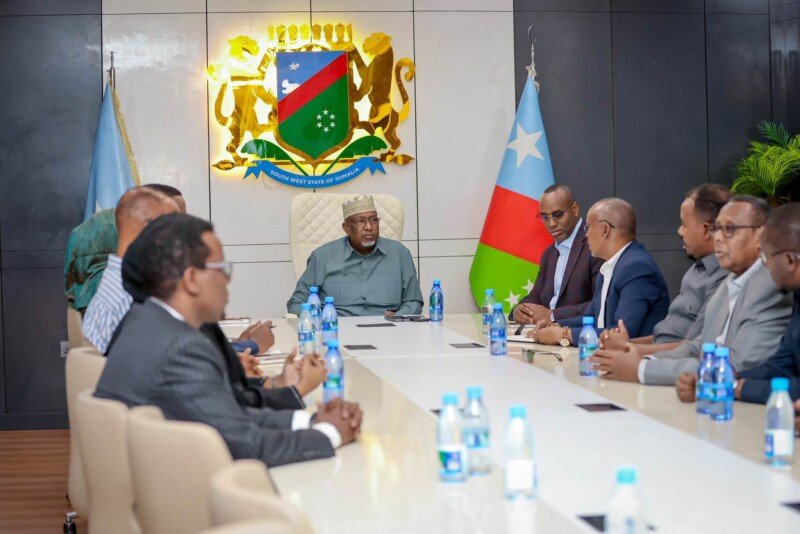
The South West State administration also condemned the airstrikes, accusing the federal government of using Turkish military capabilities for political repression targeting opponents of President Hassan Sheikh Mohamud. The administration alleged that an F-16 fighter aircraft was involved in the strikes, with two Turkish nationals and one Somali national participating in the operation.
The incident sparked protests in Garbahaarrey and Doolow districts, with demonstrators calling for an independent investigation. It also prompted Senator Farhan Ali Hussein to call on Somalia’s Upper House to summon the ministers of Defense and Internal Security for questioning over repeated drone strike incidents in the country.
Doolow has also been at the center of a broader dispute between the federal government and Jubaland, with a federal air blockade on the town in effect for nearly a year and a half. Jubaland has accused the federal government of deliberately grounding passenger flights to key towns in the Gedo region, describing it as a calculated blockade that has inflicted deep harm on the region’s economy and essential services.
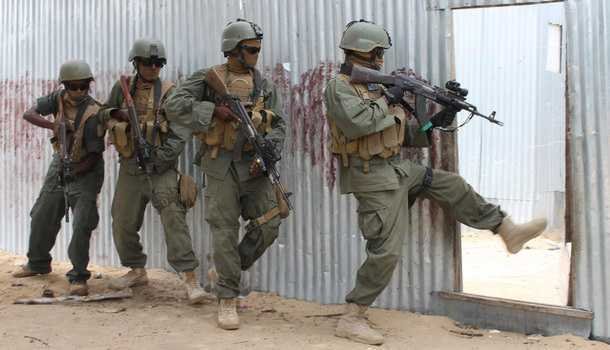
The federal government has deployed Turkish-trained commandos to the Gedo region, while Jubaland forces in Gedo have announced preparations for major security operations of their own. The commander of Jubaland’s Darawiish forces in the region, General Abbas Adan Gurey, stated that operations would target groups opposed to peace, with the aim of restoring security and stability.
Regional Security Context
The U.S. advisory comes amid broader security challenges in the Horn of Africa. Ethiopia’s Somali Region shares a long and porous border with Somalia, where Al-Shabaab remains active and cross-border movement is difficult to monitor. The U.S. State Department’s Ethiopia travel advisory already warns against travel within 50 kilometers of the Somalia border due to terrorism, kidnapping, and landmines.
Other governments have also issued travel warnings for the region. The United Kingdom advises against all but essential travel to Dollo and against all travel within 100 kilometers of the Somalia and Kenya borders in the Somali Region. Canada advises against all travel within 100 kilometers of the Somali Region border with Somalia and Kenya.
Critical Note
The U.S. Embassy’s decision to restrict official travel to Doolo Zone and advise citizens against visiting the area reflects a heightened assessment of risk in a border region that has recently seen a significant security incident. The advisory’s lack of specificity about the threat is standard practice in such alerts, but it leaves observers to draw their own conclusions about the nature of the risk. Given Doolo’s proximity to Somalia and the recent drone strike in Doolow, the warning likely reflects concerns about cross-border militant activity, political tensions, or the potential for further incidents.
The advisory may also influence the operations of international organizations, aid agencies, and foreign workers active in the region. Humanitarian agencies routinely review security conditions and may adjust travel procedures or staffing levels when new threats emerge. For residents of Doolo Zone, the warning does not necessarily mean that all activities have been suspended, but it does signal that foreign governments are taking a more cautious approach to the area.
Recommended Reading On ftlsomalia.com
- Jubaland Condemns Alleged Turkish Drone Strike on Former Prison Chief in Doolow
- Former South West President Laftagareen Condemns Airstrikes Targeting Ally in Doolow
- Supporters of Türkiye-Somalia Partnership Rally in Baidoa
- Flights to Resume at Doolow as Federal Government and Jubbaland Spar Over Control
- Somali Government Sends Turkish-Trained Commandos to Gedo Region