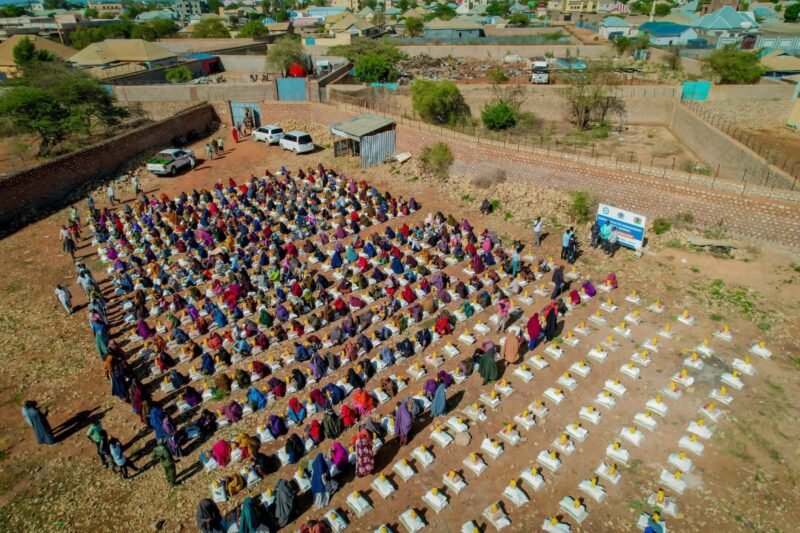
BAIDOA — The Somali Disaster Management Agency (SoDMA), in coordination with the South West State Ministry of Humanitarian Affairs, has concluded the second day of food distribution in Baidoa, providing vital support to drought-affected communities in the region.
Essential food supplies were delivered to 520 vulnerable families during Wednesday’s activities, with special attention given to persons with disabilities and other high-risk groups experiencing critical food shortages, according to an agency statement [citation:2].
SoDMA Commissioner Mahamud Moallim personally supervised the distribution process to guarantee transparency and efficient aid delivery.
Ongoing Drought Response Efforts in Baidoa
The distribution is part of a broader federal initiative to enhance drought relief operations in South West State. Commissioner Moallim arrived in Baidoa earlier this week alongside a specialized humanitarian task force as part of a federal initiative designed to aggressively enhance regional drought relief operations and rapidly aid vulnerable communities facing severe environmental hardship.
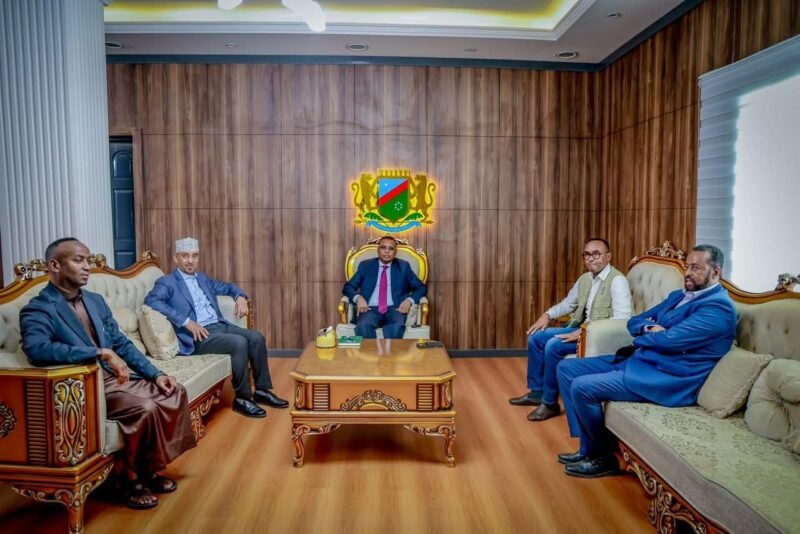
Upon arrival at Shaati Gaduud Airport, the federal delegation was formally greeted by South West State’s Humanitarian Affairs Minister, Abdinasir Abdi Arush, together with senior government officials and elected regional representatives [citation:1].
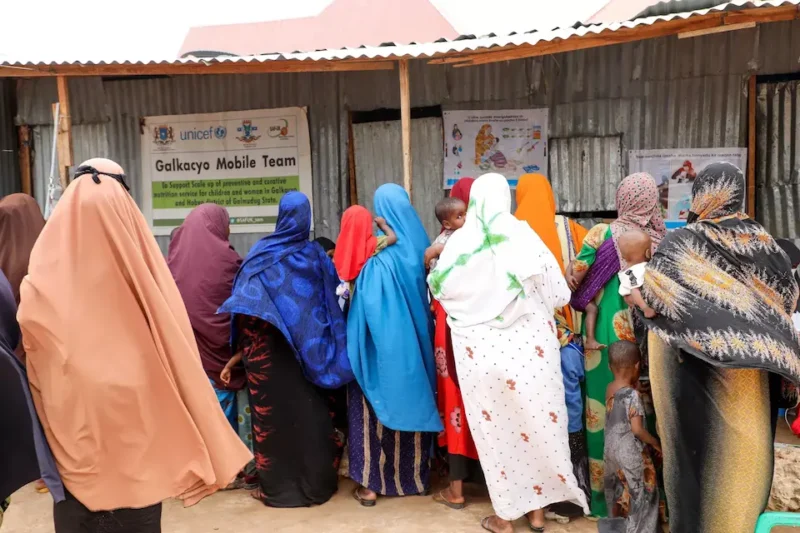
The Somali Disaster Management Agency has already been executing extensive, continuous water delivery and targeted food relief programs directly within Baidoa and its surrounding rural districts. These specific operations have been heavily prioritized throughout the holy month of Ramadan to successfully mitigate immediate drought impacts and assist heavily at-risk households [citation:1].
Critical Drought Situation Worsens
This continuous initiative demonstrates ongoing measures by Somali authorities to address the escalating drought situation, which has rendered numerous households unable to fulfill basic necessities.
The World Food Programme has urgently appealed for $95 million to sustain critical food and nutrition operations in Somalia through August 2026, warning that without an immediate injection of funds, its lifesaving programs could be forced to shut down entirely by April [citation:6].
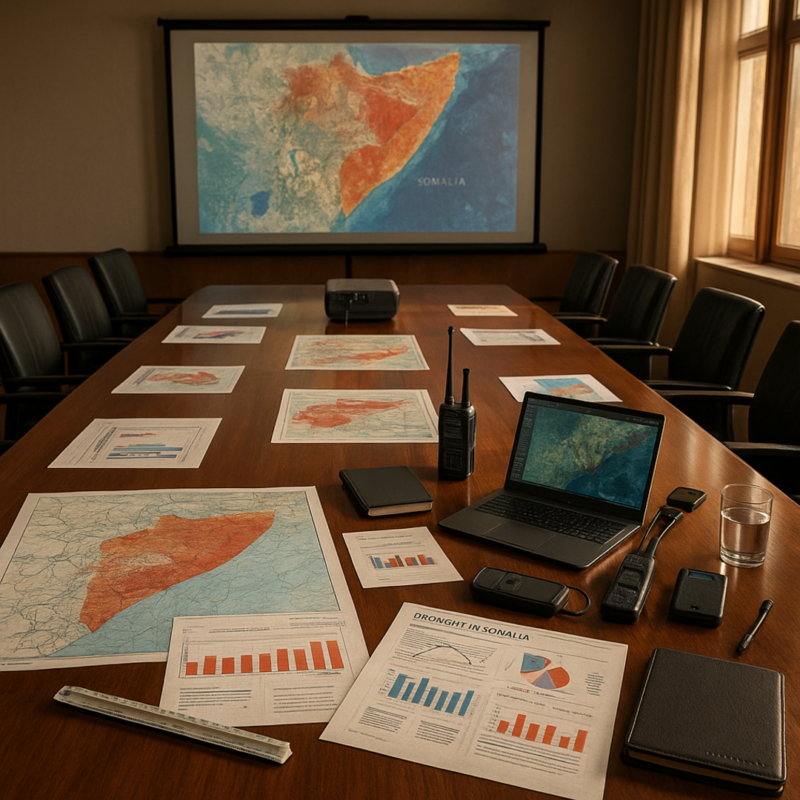
According to the UN Office for the Coordination of Humanitarian Affairs, severe drought continues to persist across Somalia, deepening humanitarian needs. At least 2 million Somalis are estimated to be facing acute levels of hunger, and more than 1.8 million children under five face acute malnutrition, largely due to severe drought conditions [citation:10].
The federal government has also delivered $3.88 million in targeted drought insurance payouts to pastoralist communities as part of an innovative index-based livestock Takaful program supported by the broader Horn of Africa DRIVE initiative [citation:3].
Call for Continued Humanitarian Support
Officials highlighted the necessity of consistent humanitarian assistance to reduce the consequences and safeguard the most at-risk communities.
The urgency of these localized relief programs cannot be overstated. SoDMA recently warned that successive failed rainy seasons have pushed the national drought severity to a critical Stage 4 level, necessitating rapid intervention to prevent a wider escalation into famine conditions [citation:1].
By bringing federal oversight and coordination directly to the regional level, Commissioner Moallim is ensuring that life-saving resources reach those most in need. This direct, localized approach fulfills President Hassan Sheikh Mohamud’s recent national directive ordering all federal agencies to prioritize emergency drought response and cut administrative bottlenecks for aid delivery [citation:1].