BAIDOA: The political standoff within the Southwest State administration has expanded into the digital sphere after Abdiaziz Hassan Mohamed (Laftagareen), who continues to claim the legitimate presidency of the regional state, seized control of the official Southwest State Presidency digital platforms from his rival, Adan Mohamed Nur (Adan Madobe).
The digital maneuver resulted in the immediate removal of all statements, images, and visual documentation detailing the activities of Adan Madobe, who was recently elected as the regional leader following highly contested political processes inside Baidoa. Following the takeover of the primary Facebook portal, Laftagareen utilized the platform to broadcast an official independence day address to mark the July 1st national celebrations.
Factional Consolidation and Parallel Authority
“I extend my heartfelt congratulations to the Somali public on the historic occasion of July 1st, marking our freedom and the sacred unification of our northern and southern regions,” Laftagareen stated in the broadcasted address, signaling his intention to maintain executive visibility despite his physical displacement from the capital of the Bay region.
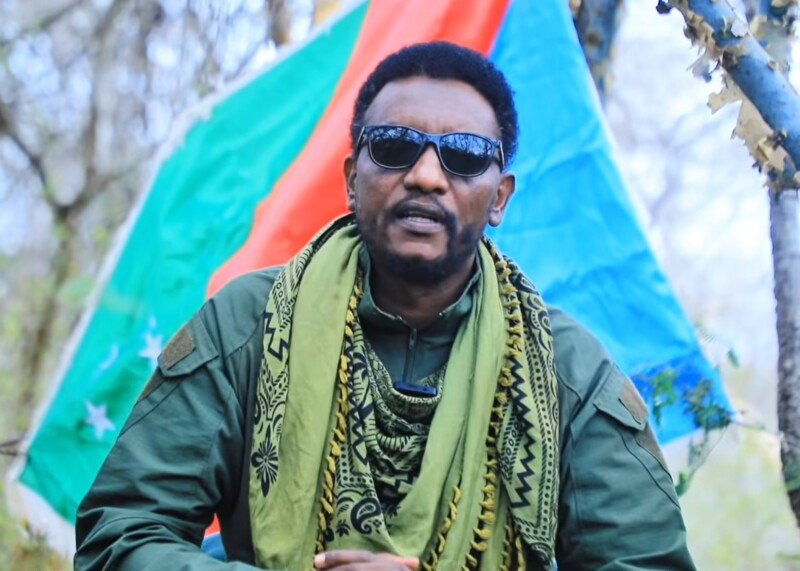
Concurrently, Laftagareen’s official spokesperson, Ugaas Hassan Abdi Mohamed, released a recorded video brief from an undisclosed logistical base outside Baidoa, confirming ongoing strategic operations aimed at reversing the political changes inside the city. “Our sacred struggle will not cease, and we remain fully prepared for a long-term or short-term engagement to restore legitimate administration at any time and in any location,” the spokesperson remarked.
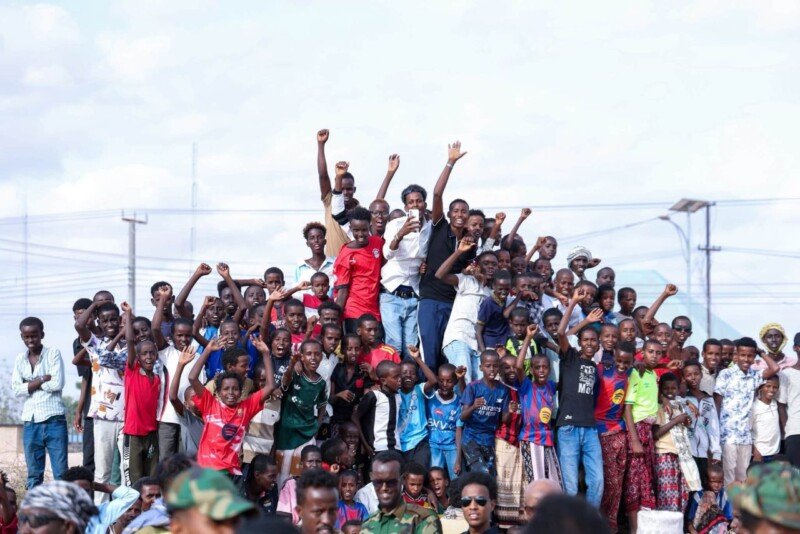
The newly installed regional team led by Adan Madobe has not yet issued an official response regarding the disruption of their primary digital communication office. However, Madobe’s administration retains control over the state-backed Southwest State Television network, which was heavily utilized on Tuesday night to broadcast live footage of the 66th Independence Anniversary events organized within the secured perimeter of Baidoa.
Broader Regional Fragmentation and Electoral Uncertainty
The institutional fracturing inside Southwest State reflects a broader pattern of political instability and mandate polarization across several Federal Member States as traditional consensus mechanisms break down. The central government’s push for direct universal suffrage has generated severe resistance from regional executives who view unilateral constitutional overhauls as a threat to localized autonomy, prompting continuous mediation efforts to prevent total political gridlock.
Furthermore, these protracted political conflicts frequently trigger security changes that disrupt local administration and public services. The fragmentation of regional alliances has strained horizontal coordination between states, as seen during recent legislative disputes where federal and regional ministers traded mutual accusations over unsanctioned diplomatic and territorial engagements.
As Laftagareen’s loyalist units continue their operational movements on the outskirts of the regional capital, domestic and international observers warn that the dual-administration dispute in Southwest State risks fracturing local counter-insurgency frameworks and destabilizing critical transport routes connecting the central regions to Mogadishu.