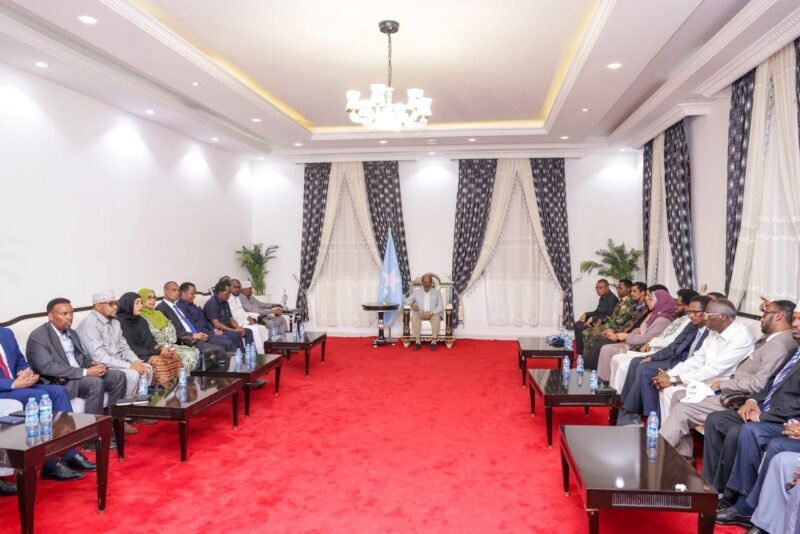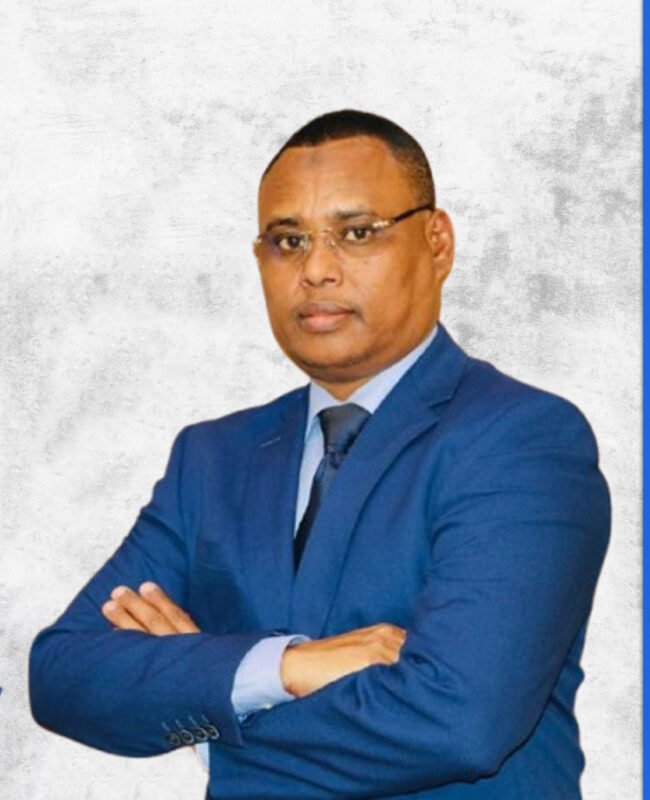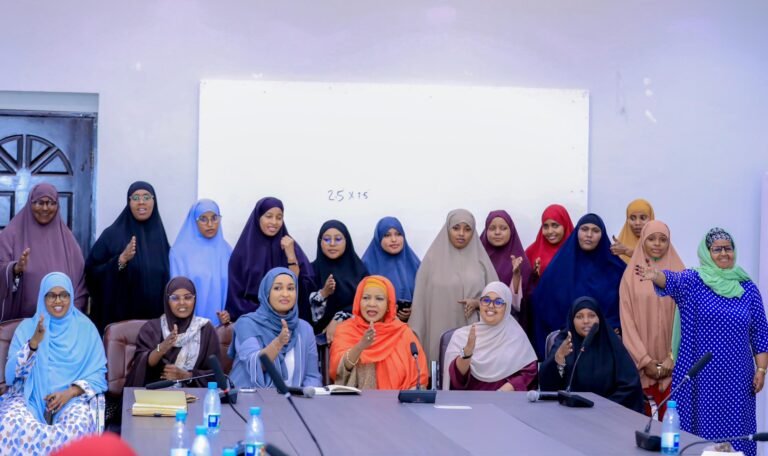
BAIDOA — Somalia’s Federal Minister of Family and Human Rights Development, Ambassador Khadiija Mohamed Al-Makhzoumi, recently convened a high-level consultative session in Baidoa. Engaging directly with local women’s organizations, the strategic gathering aimed to comprehensively examine the current status of women in Southwest State, addressing emerging opportunities, systemic challenges, and prevailing socio-economic pressures.
Voices from the Ground
During the session, dedicated women’s representatives from various participating civil society groups presented the complex, everyday realities experienced by women living throughout the Southwest regions. The localized discussions heavily emphasized major structural challenges and pressing humanitarian needs that require immediate federal attention.
While outlining these ongoing struggles, the local organizations also formally acknowledged the Ministry’s notable recent advancements in actively promoting women’s rights, civic welfare, and institutional protections across Somalia, particularly amidst the broader, ongoing political and administrative transitions currently taking place in Baidoa.
Legislative Milestones and the 30% Quota
In her keynote speech, Minister Al-Makhzoumi detailed key, historic accomplishments achieved by her Ministry, focusing heavily on recent legislative and policy advancements specifically designed to safeguard and empower Somali women. Central to her address was the successful establishment of a mandatory 30% women’s quota integrated into both the Electoral Law and the Political Parties Law—a historic, structural move toward ensuring inclusive, nationwide political engagement.
She also heavily referenced sweeping new legislation addressing gender-based violence, the strict federal ban on female genital mutilation (FGM), and the comprehensive Family Law, all of which substantially enhance legal protections and fundamental rights for women. These major legal victories align closely with the Federal Cabinet’s recent, aggressive push to ratify national policies that boost federal governance, security, and civilian protections.
A Call for Unity
The Minister concluded the session by outlining robust, forthcoming initiatives dedicated to reinforcing women’s economic empowerment and entirely eradicating all forms of violence against women throughout the country. Delivering a powerful call for structural unity and collaborative grassroots efforts, she emphasized to the attendees that nationwide solidarity among women remains absolutely crucial to surmounting current political obstacles and fully utilizing the democratic prospects now available.