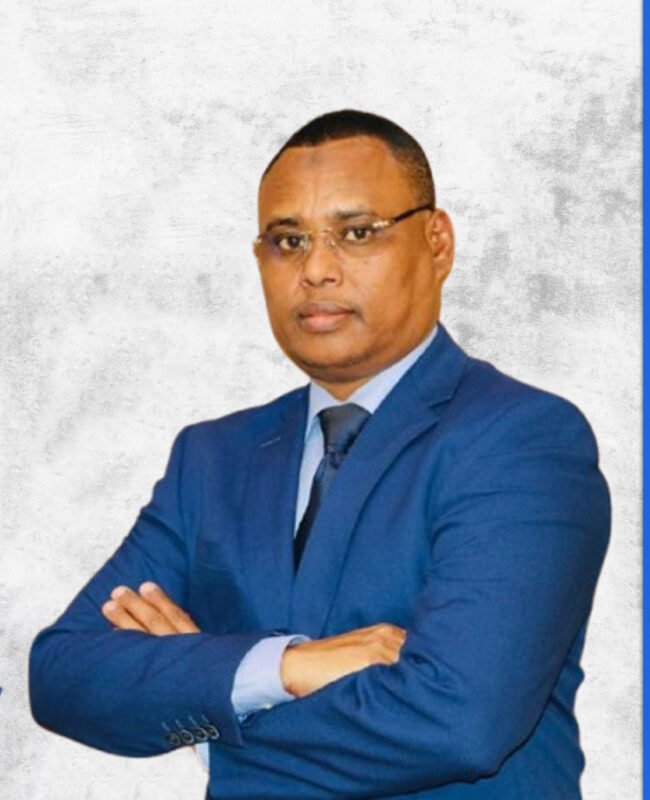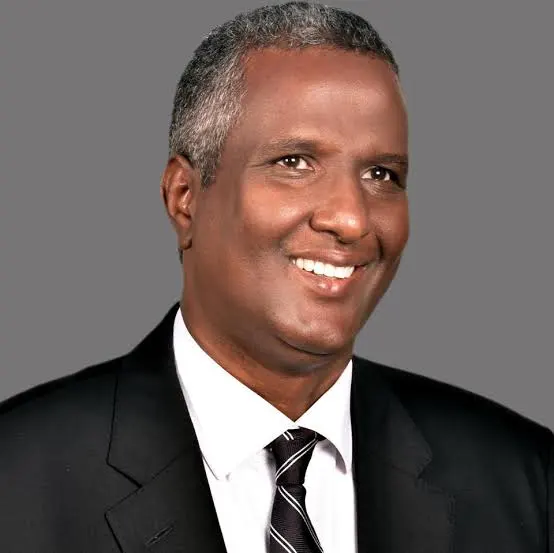
MOGADISHU — Member of the Federal Parliament Abdirahman Abdishakur Warsame has strongly criticized the Federal Government’s recent decision to unilaterally appoint an interim administration for South West State, describing the executive action as a blatant and illegal breach of both the Federal and State Constitutions.
A Constitutional Crisis
The prominent parliamentarian stressed that it is constitutionally unfeasible and legally overreaching for the central government in Mogadishu to establish an administration for a federal member state that already possesses its own established, functioning constitutional institutions.
Abdishakur reminded the public and federal officials that the South West State Constitution clearly stipulates a distinct legal procedure: if a sitting regional president resigns, a formal presidential election must be conducted within 30 days. This legal pushback directly follows the Prime Minister’s recent decree appointing the Second Deputy Prime Minister as the caretaker leader of the region.
Accusations of an Executive Power Grab
Characterizing the federal intervention as the onset of a “dangerous phase” for the nation, Abdishakur described the move as the start of a systematic power grab designed to dismantle Somalia’s fragile federal system and place national law under personal executive authority.
The MP directly accused President Hassan Sheikh Mohamud of strategically planning the intervention to secure his own future re-election. Abdishakur claimed the president is actively pursuing an electoral process where he serves as both a competing candidate and the ultimate arbiter, thereby unfairly ensuring a victory in his favor following the swift military removal of former regional President Abdiaziz Laftagareen.
Warnings of Instability and “Fitna”
Additionally, Abdishakur cautioned that such “corrupt ambitions” seriously undermine years of painstaking work dedicated to national reconciliation, the rebuilding of social trust, and the delicate, overarching state-building process founded on power-sharing and the parliamentary system.
Reflecting on Somalia’s painful modern history, the lawmaker observed that the culture of dictatorship, localized favoritism, and the blatant misuse of central authority were precisely the catalysts that caused the total collapse of the Somali state in 1991. Concluding his remarks, he issued a firm, dire warning to those remaining silent or endorsing these executive actions, stating that the resulting instability and fitna (strife) would inevitably affect everyone across the nation.