WASHINGTON, D.C. — The Director General of Somalia’s National Intelligence and Security Agency (NISA), Mahad Mohamed Salad, has concluded a series of high-level strategic security consultations in the United States, focusing heavily on expanding intelligence-sharing frameworks and reinforcing joint counter-terrorism operations.
Deepening Intelligence Partnerships
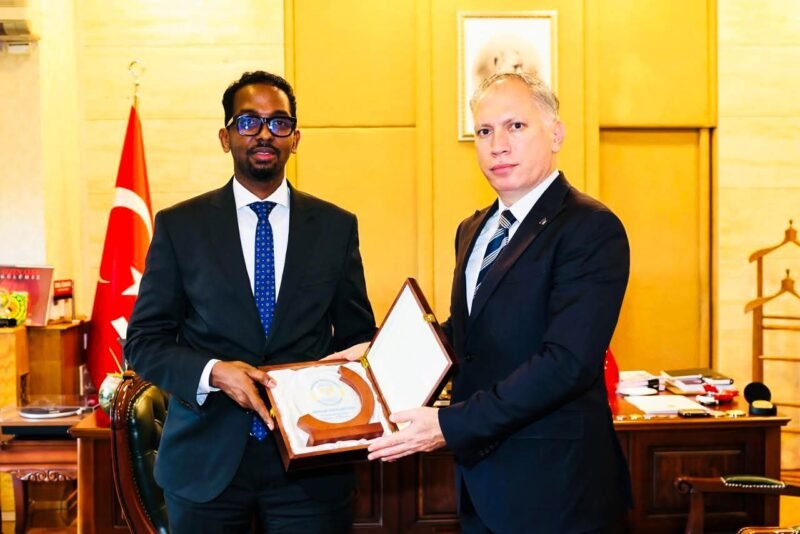
During his diplomatic visit to the U.S. capital, Director General Salad held direct, high-level discussions with senior leadership from both the Central Intelligence Agency (CIA) and the Federal Bureau of Investigation (FBI). According to Somali officials, these crucial engagements aimed to substantially strengthen long-established security ties between Somalia and the United States.
The core of the discussions centered on enhancing vital information-sharing mechanisms that directly support ongoing ground and air efforts against militant networks. This diplomatic push aligns perfectly with the Federal Government’s ongoing, nationwide military offensive designed to weaken Al-Shabaab and stabilize contested regions across central and southern Somalia.
Tactical Coordination at Fort Bragg
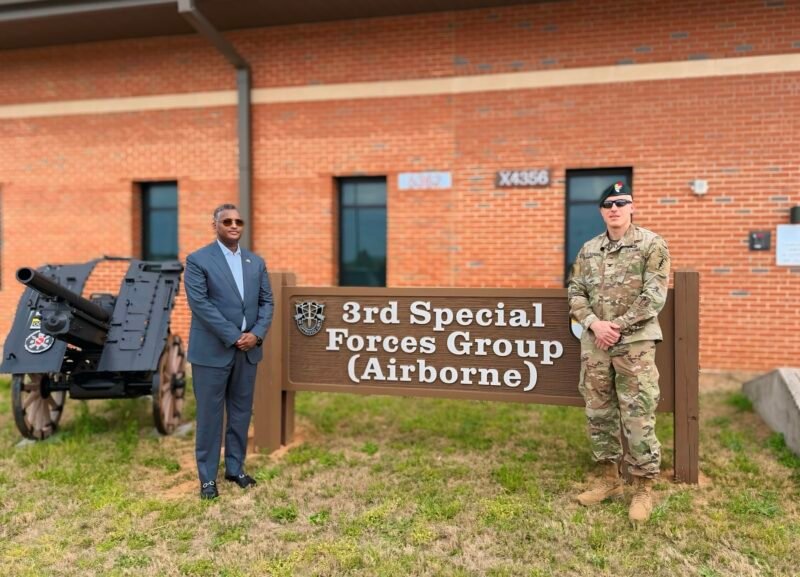
Extending his strategic engagements beyond Washington, the NISA chief traveled to Fort Bragg in North Carolina, a pivotal installation for the United States Special Operations Command. During this visit, he engaged in a critical operational briefing with Colonel Benander, a senior U.S. Special Forces commander possessing extensive tactical experience in Somalia.
This military engagement was designed to ensure that the complex tactical coordination between elite Somali intelligence operators and American special forces remains perfectly synchronized for future combat and stability missions.
Operational Successes
Concluding his strategic tour, the intelligence leader formally acknowledged the United States Government for its continued, robust support of Somalia’s sovereign security objectives. He emphasized that this bilateral cooperation has already yielded significant, measurable security improvements on the ground.
Specifically, the advanced intelligence sharing and precise operational coordination between the two nations have recently facilitated precision operations that successfully targeted and neutralized senior leaders within the Khawaarij militant network, thereby substantially reducing the terrorist group’s operational capabilities across the Horn of Africa.