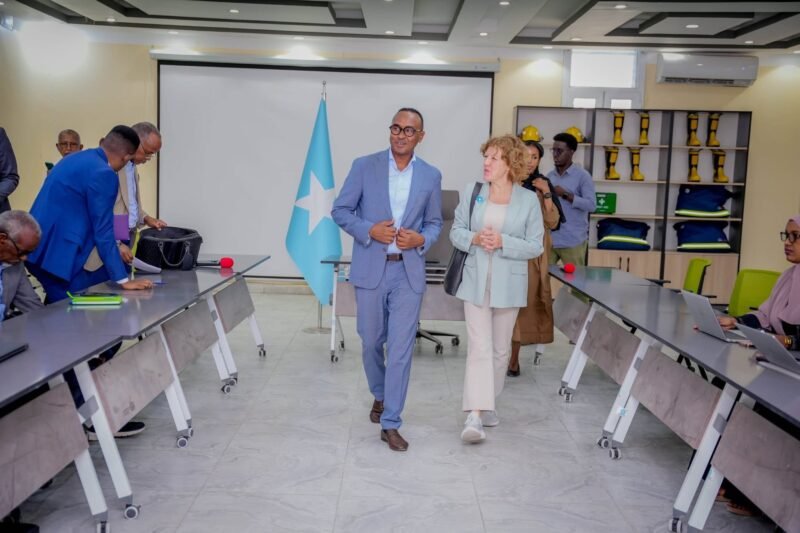
MOGADISHU — Somalia’s Minister of Planning, Investment and Economic Development, H.E. Mohamud Beenebeene, recently held high-level strategic discussions with UNICEF Representative Sandra Lattouf to align international aid programs with the federal government’s long-term economic vision.
Aligning Development Priorities
The primary focus of the meeting centered on the meticulous coordination of UNICEF’s upcoming Country Programme (2026-2030) with the strategic objectives outlined in Somalia’s newly established National Transformation Plan (2025-2029).
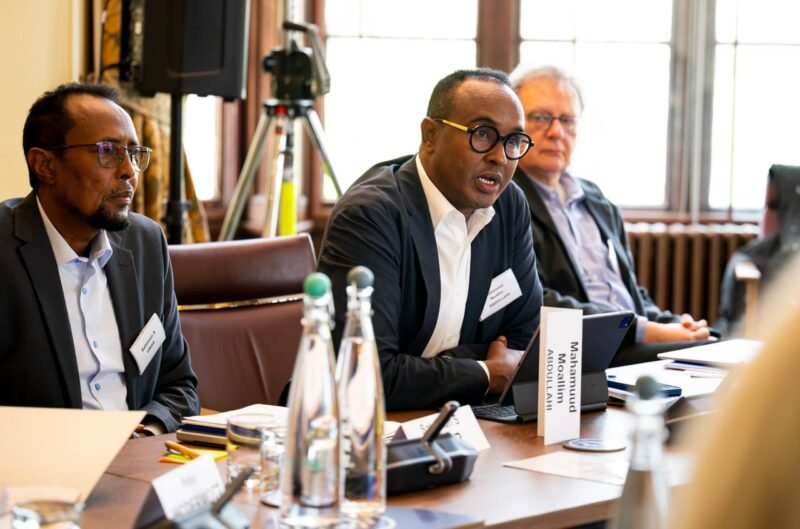
According to the Ministry of Planning, the discussions concentrated heavily on streamlining planning, monitoring, evaluation, and coordination activities. By integrating UNICEF’s institutional framework directly into the National Transformation Plan, the federal government aims to ensure that international developmental assistance precisely targets Somalia’s most critical domestic priorities without administrative overlap.
Tackling the Nutrition Crisis
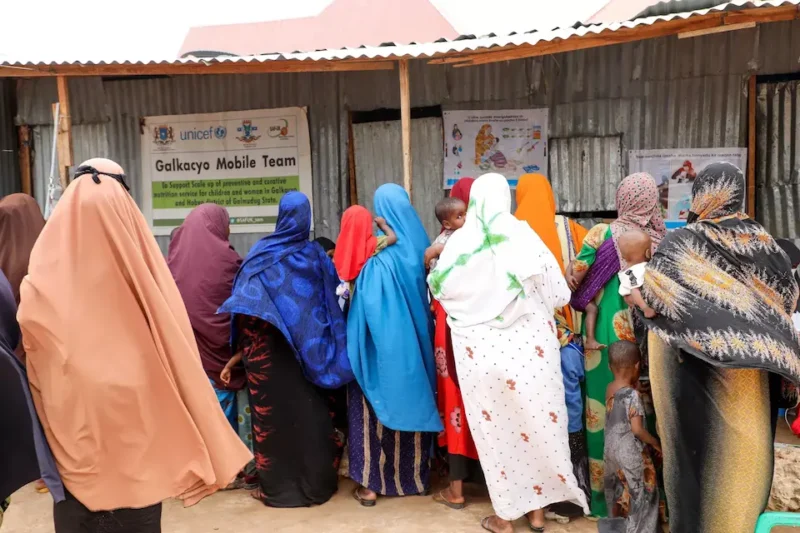
Beyond long-term planning, the parties deeply considered immediate strategies for scaling up active interventions to address the current, severe food and nutrition crisis. The coordinated response aims to directly assist at-risk populations across the country, particularly women and children, while simultaneously reinforcing local institutional capabilities.
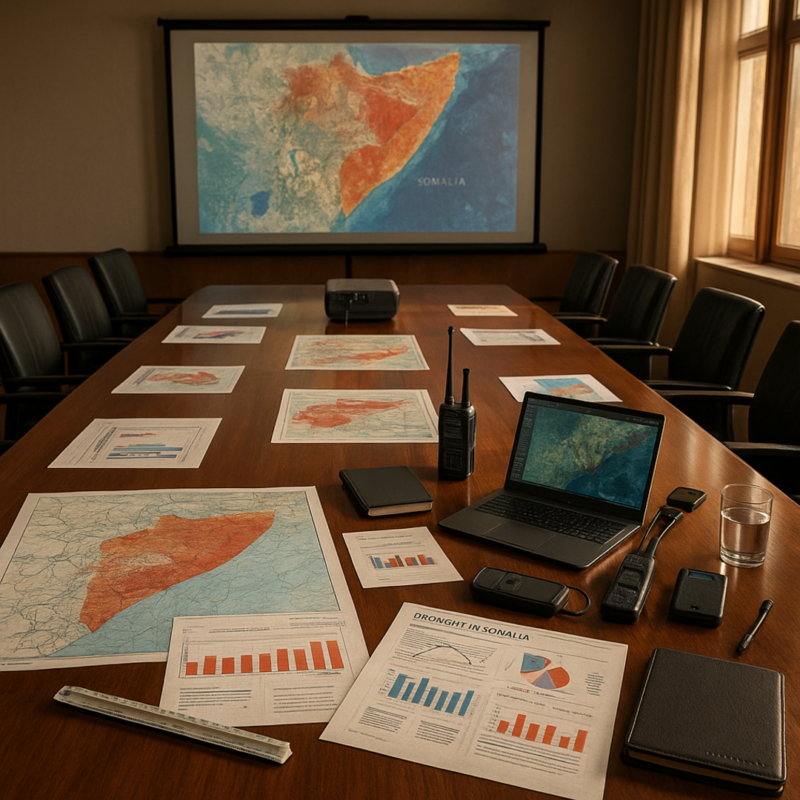
This urgent focus on immediate nutritional intervention perfectly aligns with recent assessments from the National Disaster Management Agency (SoDMA) regarding the severe impacts of the ongoing drought.
Furthermore, both the Ministry and UNICEF emphasized the absolute necessity of strengthening collaborative advocacy and joint resource mobilization. As federal authorities and UN agencies navigate a landscape of steadily diminishing international financial assistance, both parties agreed that innovative coordination frameworks will be essential to maintain and accelerate Somalia’s hard-won development progress over the coming years.