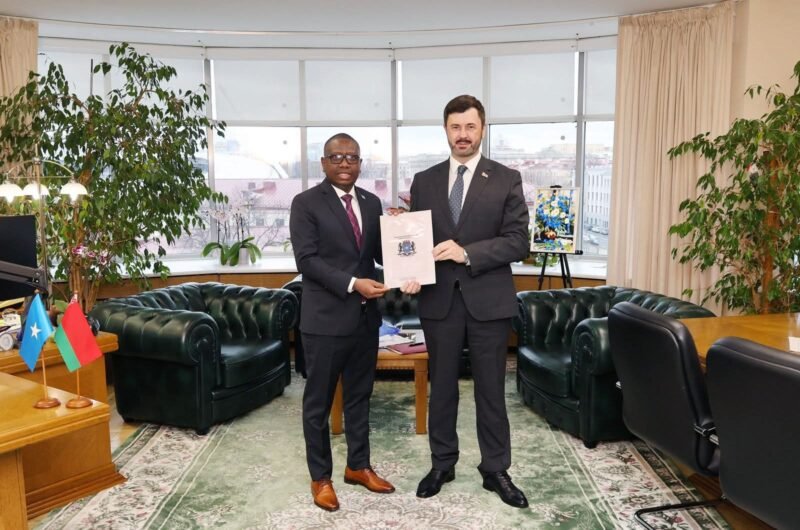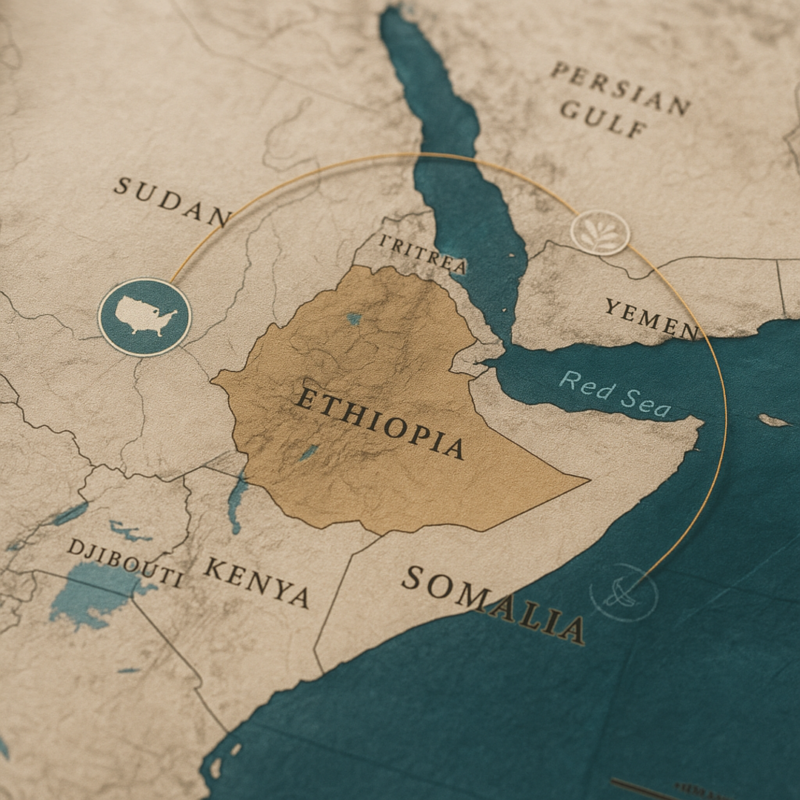
ARUSHA — The East African Community is rapidly advancing its regional digital transformation strategy, emphasizing the integration of emerging technologies to modernize governance, institutional communication, and economic cooperation, officials said during the East Africa Science and Technology Commission summit.
In this evolving framework, Somalia is positioning itself as a key innovator. At the summit, the Somali delegation presented a comprehensive plan for artificial intelligence adoption, demonstrating a clear commitment to shaping the digital future of the East African Community bloc.
Somalia’s AI Integration in National Media
Abdiqani Abdullahi Ahmed, Communications Consultant for Somalia’s Ministry of Information, Culture and Tourism, described the successful implementation of advanced AI systems in national media operations.
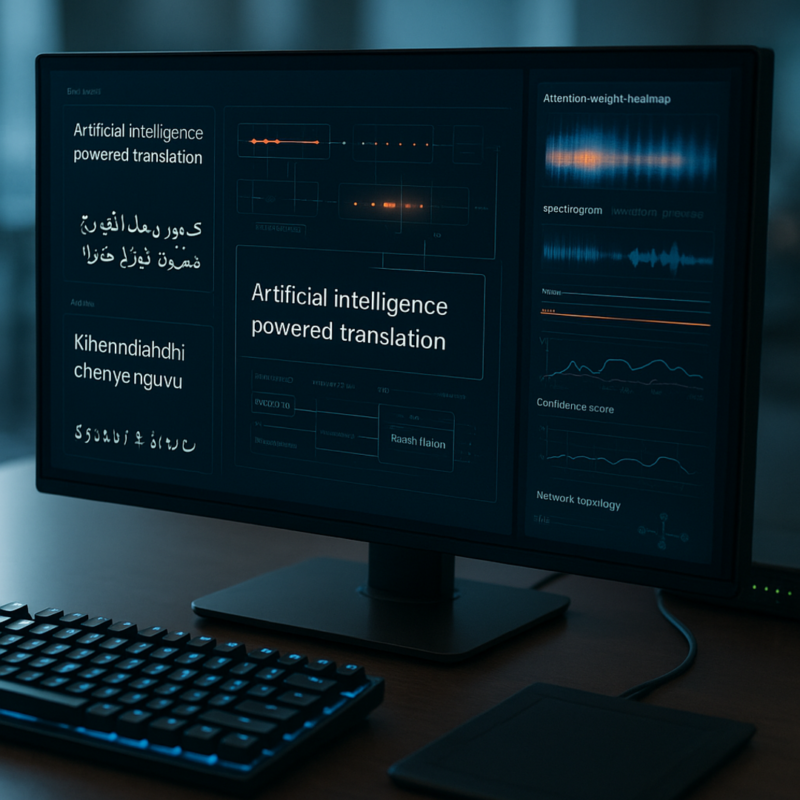
During a briefing with the East Africa Media Group, he explained how automated translation, content generation, and advanced digital distribution algorithms have significantly reduced editorial production time.
“By moving away from manual, time-consuming processes, the Ministry has established an efficient information dissemination network,” Ahmed said.
He described the achievement as demonstrating Somalia’s ability to implement complex technological solutions and lead digital modernization initiatives in the region.
Regional Digital Integration Initiatives
Somalia’s digital push extends beyond national borders. Hormuud Telecom, Somalia’s largest telecommunications provider, recently signed a landmark agreement with the German Agency for International Cooperation (GIZ) to develop an inclusive digital economy across the wider East African region. The strategic Memorandum of Understanding focuses on expanding cross-border payment systems, enhancing digital literacy, and fostering AI training programs tailored to boost youth employment.
The National Communications Authority has also been accelerating preparations for the rollout of the One Network Area (ONA), a regional initiative aimed at lowering cross-border mobile costs and enhancing digital integration across East Africa. Officials have stressed that cheaper and more reliable cross-border communication is expected to boost trade, enhance financial inclusion, and strengthen economic ties with neighboring countries.
Commitment to Cybersecurity and Data Protection
As Somalia expands its digital footprint, the government has simultaneously moved to strengthen its cybersecurity framework. Minister of Telecommunications and Technology Mohamed Adam Mo’alim Ali has reaffirmed Somalia’s commitment to data protection and cybersecurity legislation as key pillars of the country’s digital transformation strategy.
The government has implemented data protection legislation and established frameworks for cybersecurity systems, aligning with Somalia’s broader Vision 2025 strategy for digital transformation. Speaking at the WSIS+20 Ministerial Roundtable in Geneva, the minister emphasized that Somalia is “deeply committed to accelerating its digital transformation in partnership with international organizations.”
However, challenges remain. Federal authorities acknowledged in November 2025 that the country’s e-visa data system had been compromised, reversing earlier assurances from senior officials who had dismissed reports of a breach. The government described the incident as a “disruption” and launched an investigation to determine the scope of the compromise.
A subsequent investigation by Al Jazeera verified that Somalia’s electronic visa website lacked adequate security measures, potentially enabling malicious actors to download thousands of e-visas containing sensitive personal information such as passport details, full names, and dates of birth.
Promoting Regional Unity Through Technology
Beyond national use, Mogadishu is utilizing its technological expertise to promote regional unity. The Somali delegation is leading initiatives with the East Africa Kiswahili Commission, emphasizing the use of digital applications and AI-powered platforms to enhance language integration among member states.
By employing advanced technology to overcome language barriers and improve cross-border communication, Somalia is strengthening its commitment to the East African Community, demonstrating that the nation’s strategic priorities include leading regional technological and cultural advancement.
Building a Resilient Digital Future
The Eastern Africa Regional Digital Integration Project (EARDIP), a World Bank-funded initiative implemented at both regional and national levels, aims to deliver secure and affordable cross-border internet connectivity, enable interoperable digital services across countries, and build institutional capacity in cybersecurity across the region.
Somalia’s participation in these initiatives reflects a broader national vision for building an inclusive digital society. The National ICT Policy, approved by the Council of Ministers, has been described by officials as “not merely a political statement but a national commitment.”
As the East African Community continues to advance its digital transformation agenda, Somalia’s leadership in AI adoption and regional digital integration positions the country as an emerging model for using policy-driven innovation as a catalyst for economic growth and social inclusion through technology.