MOGADISHU — The Federal Government of Somalia, in collaboration with the United Nations, has issued a dire warning after the latest Integrated Food Security Phase Classification (IPC) report revealed that acute hunger levels nationwide have doubled within the past year.
According to the alarming new data, approximately 4.4 million Somalis are expected to face “Crisis” or worse food insecurity (categorized as IPC Phase 3 and above) between April and June 2026. The current situation on the ground is already critical, with 3.6 million people actively facing crisis-level hunger from January to March.
Climate Shocks and Economic Instability
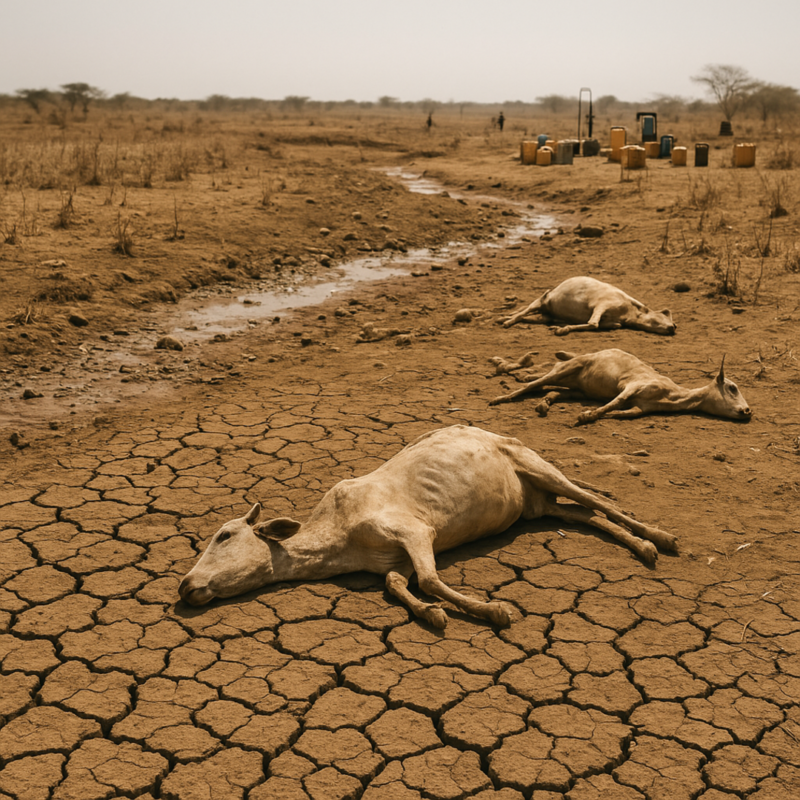
This significant decline in national food security stems from a devastating combination of severe environmental and economic challenges. The primary driver is the delayed and insufficiently distributed Deyr rains that occurred between October and December 2025. These dry conditions have substantially affected crop yields and mass livestock production, critically undermining the nation’s agricultural base.
These severe environmental difficulties are further exacerbated by localized flooding, persistent conflicts in certain areas, and widespread macroeconomic instability. High inflation and reduced purchasing power are severely limiting ordinary citizens’ capacity to obtain essential, everyday nutritional needs.
IDPs and Children at Highest Risk
Internally Displaced Persons (IDPs) represent the most vulnerable demographic during this intensifying crisis. Communities living in congested settlements across major cities such as Mogadishu, Baidoa, Dhusamareb, Galkayo, and Kismayo are currently experiencing “Emergency” hunger levels, officially classified as IPC Phase 4. The report identifies 11 distinct population groups now facing this critical emergency situation.
The nutritional crisis affecting the country’s youth is equally concerning. Health assessments project that 1.6 million children under five will suffer from acute malnutrition throughout 2026. Among this highly vulnerable group, approximately 396,000 children will experience severe acute malnutrition, necessitating urgent, specialized medical care to prevent soaring mortality rates.
Urgent Appeals for Funding
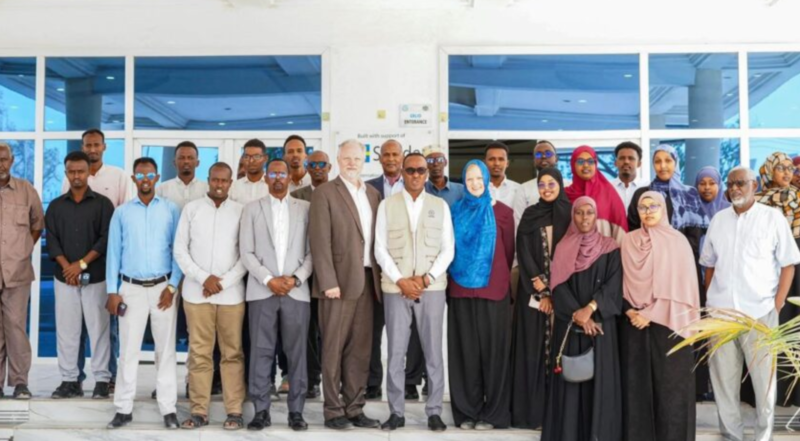
Francois Batalingaya, the UN Resident and Humanitarian Coordinator for Somalia, stressed the absolute necessity for immediate financial resources to prevent further deterioration and to carry out widespread, life-saving operations before the mid-year rainy season.
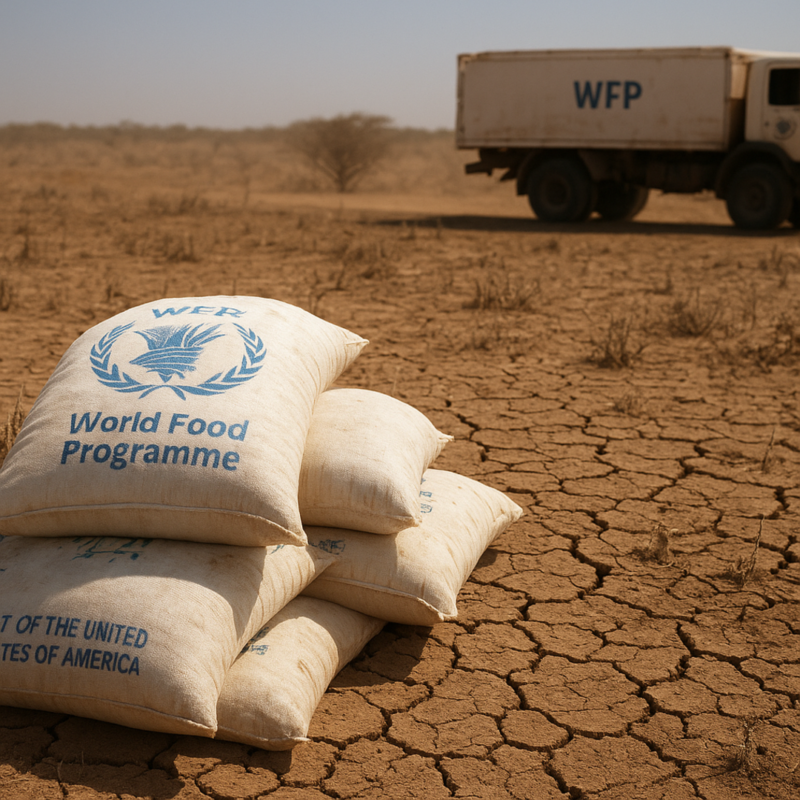
El-Khidir Daloum, the World Food Programme (WFP) Representative and Country Director, echoed this urgent warning. He highlighted the potential for catastrophic outcomes if humanitarian assistance is not quickly increased to meet the escalating need. To maintain and enhance its vital crisis response over the coming six months, the WFP has declared an urgent funding requirement of $218 million.