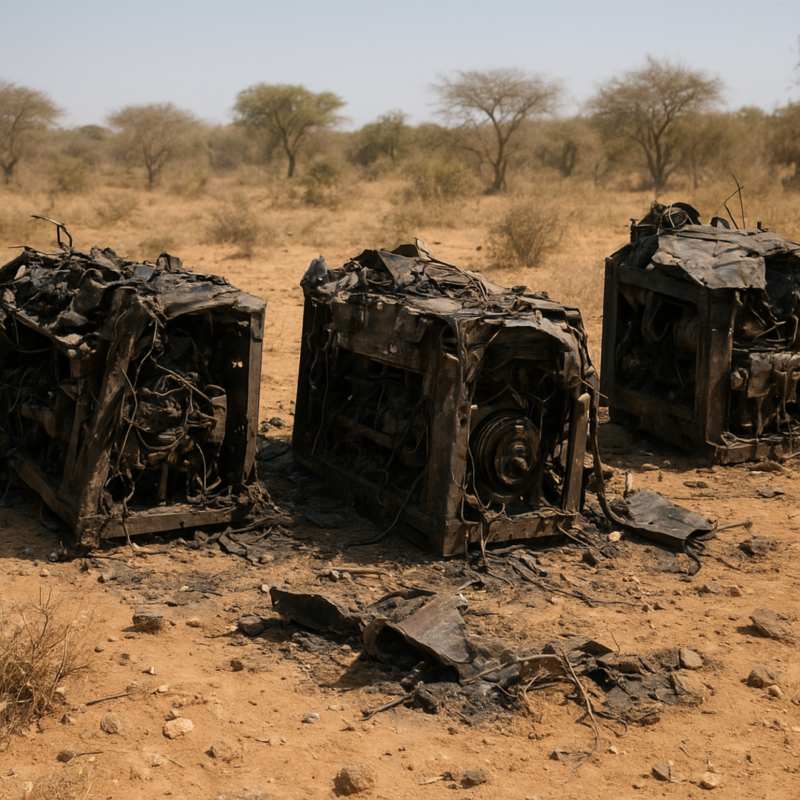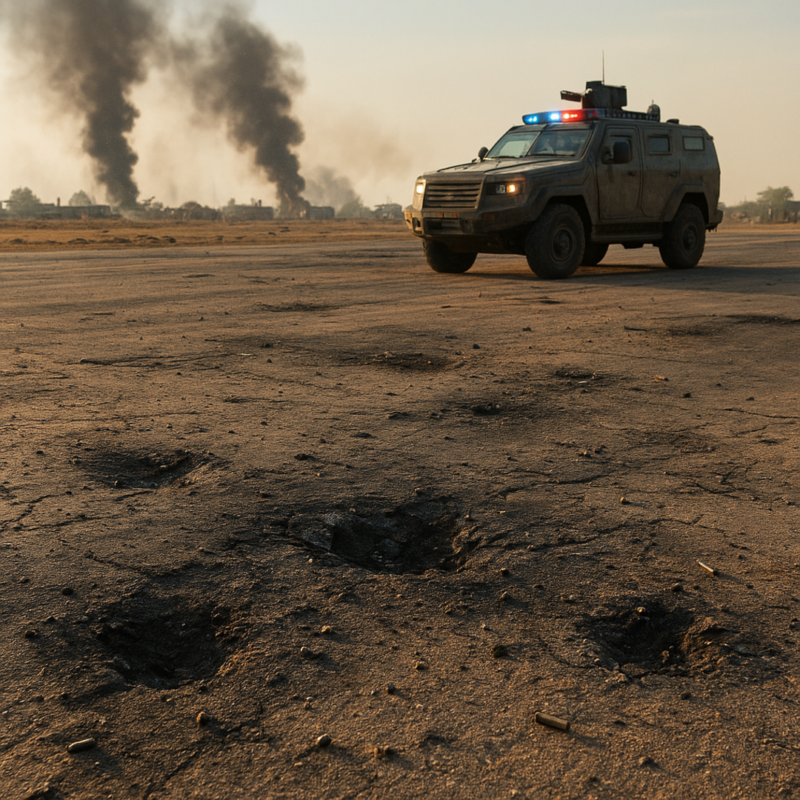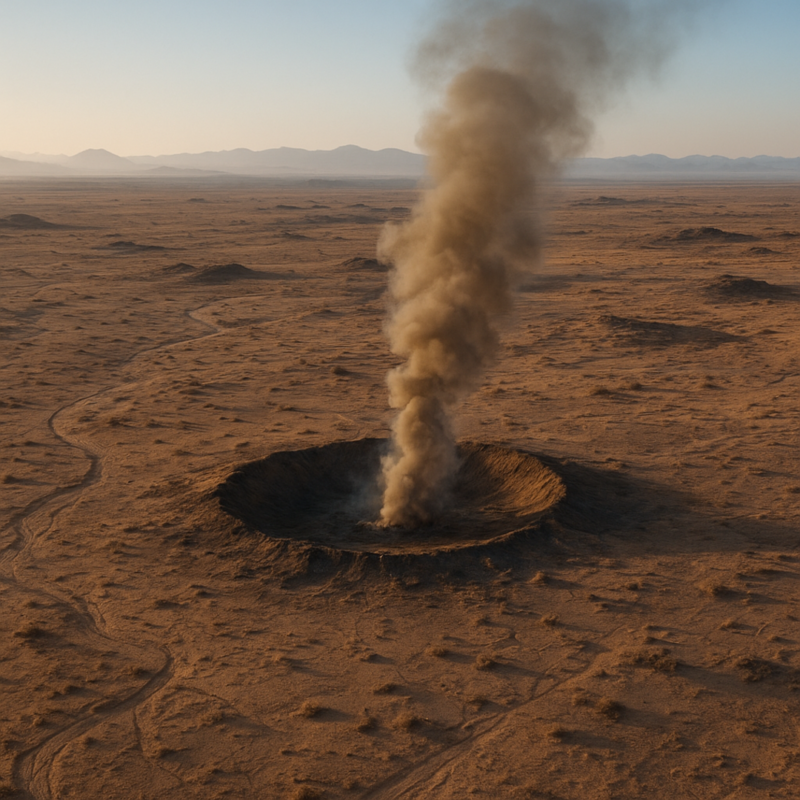
MOGADISHU — The United States has significantly ramped up its aerial campaign in Somalia, with nearly 50 airstrikes conducted in just the first quarter of 2026. According to the U.S. military’s Africa Command (AFRICOM), this rapid operational tempo marks a notable escalation in international counter-terrorism efforts within the Horn of Africa.
Escalating the Air Campaign
In a recent official statement, U.S. Africa Command confirmed that its most recent strike specifically targeted Al-Shabaab militants approximately 80 miles northwest of the coastal city of Kismayo. This decisive action brought the total confirmed count of American airstrikes for the year to 49.
According to military officials, these high-impact operations were conducted in close, continuous cooperation with the Somali Federal Government and regional security forces. The primary strategic objective is to rapidly degrade Al-Shabaab’s operational capacity, heavily complementing the Somali National Army’s ongoing, successful ground ambushes targeting militant transport and supply chains across central Somalia. Citing strict operational security considerations, AFRICOM withheld additional technical information regarding the specific aircraft, military units, or weaponry employed during the strikes.
A Record-Setting Pace
This aggressive operational surge directly follows a record-setting year in 2025, when AFRICOM conducted approximately 125 strikes—far exceeding the previous high of 63 recorded in 2019. Should the current, intense operational pace continue, 2026 is projected to easily surpass all previous historical figures.
The U.S. air activities extend well beyond a single geographic region. In northeastern Somalia, specifically within the rugged Al-Miskaad Mountains under Puntland’s administration, Islamic State-affiliated fighters are frequently targeted. Concurrently, Al-Shabaab continues to maintain a significant presence across vast, rural areas of southern and central Somalia.
Strategic Support and Future Implications
U.S. forces have maintained a vital, sustained presence in Somalia for years, offering advanced tactical training, advisory assistance, and critical intelligence support to local forces actively combating extremist organizations. This heightened strike rate follows a pivotal policy decision where U.S. Defense Secretary Hegseth granted AFRICOM field commanders expanded authority to independently determine the appropriate timing and scale for air operations.
This massive escalation highlights Washington’s clear perspective on Somalia as a critical battleground in the broader global campaign against jihadist organizations. However, the surge is also likely to reignite ongoing domestic discussions regarding the long-term effects of such kinetic operations on overall civilian security and Mogadishu’s newly codified National Policy for the Protection of Civilians during Military Operations.