MOGADISHU — Nearly 6.5 million people in Somalia are experiencing severe hunger as rapidly deteriorating drought conditions, ongoing conflict, and massive reductions in global aid exacerbate the nation’s humanitarian crisis, according to a joint alert issued Tuesday by the Federal Government and United Nations agencies.
New findings from the latest Integrated Food Security Phase Classification (IPC) report indicate that 6.5 million people are anticipated to experience “Crisis” or worse levels of food insecurity by the end of March.
A Crisis of Malnutrition
The report paints a particularly grim picture for the country’s youngest and most vulnerable. It projects that 1.84 million children under five years old will suffer from acute malnutrition during 2026, with approximately 500,000 of them facing severe, life-threatening malnutrition.
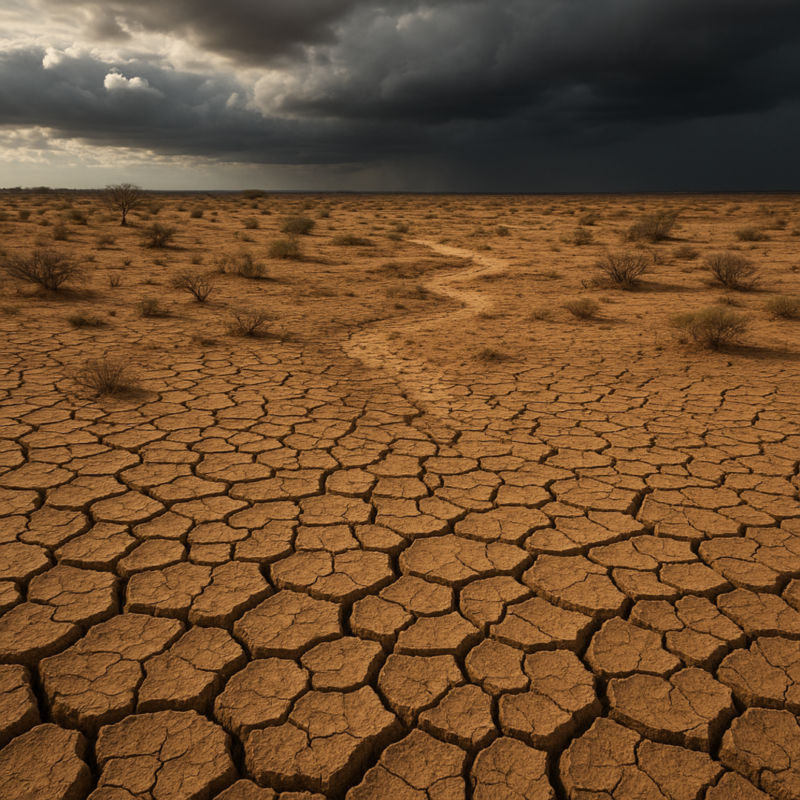
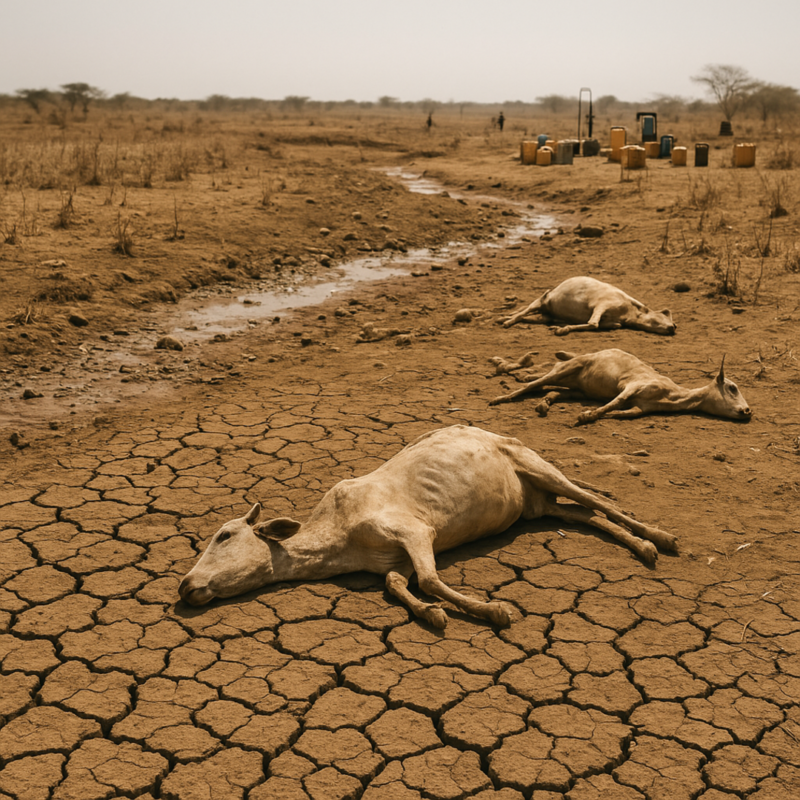
Officials attribute the plummeting food security situation to a devastating convergence of water scarcity, violent conflict, and historically low levels of humanitarian assistance driven by global funding reductions. The worsening drought, triggered by consecutive seasons of below-average rainfall, has resulted in widespread crop failures, mass livestock deaths, and skyrocketing local food prices.
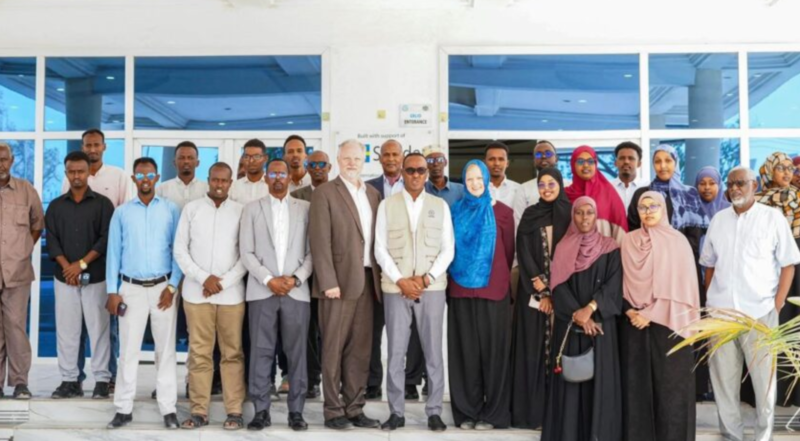
“The drought emergency in Somalia has alarmingly intensified, with soaring water costs, limited food availability, dying livestock, and minimal humanitarian funding,” stated George Conway, the U.N. Humanitarian Coordinator for Somalia. He emphasized that immediate, life-saving assistance is crucial in the coming months, as no significant rainfall is anticipated until the primary Gu rainy season from April to June.
Displacement and Funding Shortfalls
Even with average rainfall during the upcoming season, models project that 5.5 million people will remain in crisis or worse conditions later in 2026, as recovery from extreme drought requires considerable time and sustained support.
The combination of extreme climate shocks and localized conflict continues to drive mass migration. Between July and December alone, these compounding factors displaced approximately 278,000 individuals, severing their access to markets, agricultural livelihoods, and aid delivery networks.
“The severity of this drought is undeniable and profoundly concerning,” stated Mohamud Moallim Abdulle, Commissioner of the Somalia Disaster Management Agency (SoDMA). He urgently appealed to international partners, the Somali diaspora, businesses, and civil society to immediately pool resources and increase support.
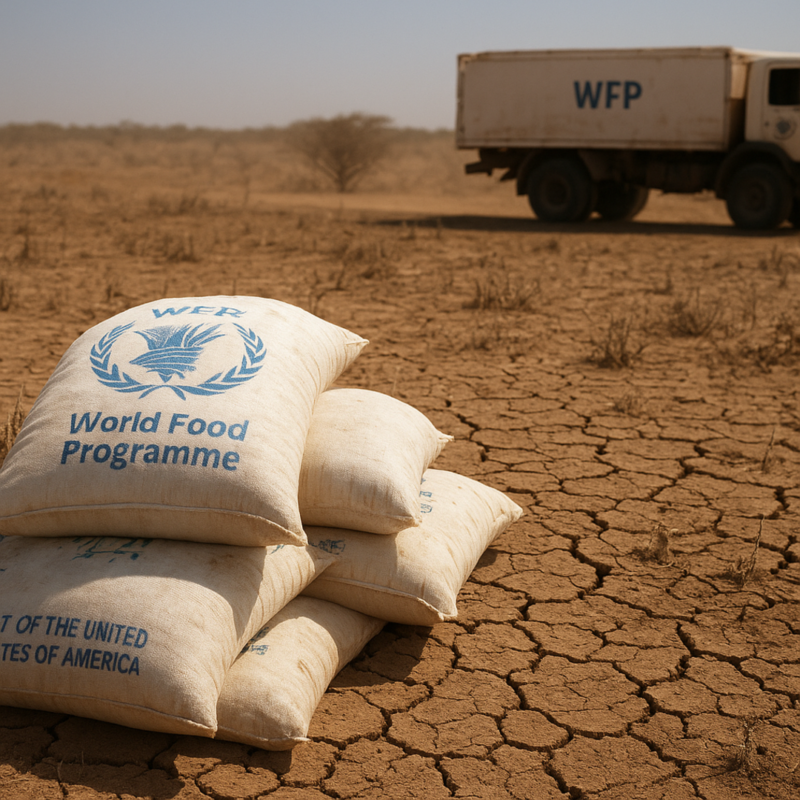
Both the United Nations and the Somali government issued a stark final warning: substantial global funding reductions have already compelled essential humanitarian organizations to drastically reduce or entirely suspend life-saving programs, including critical initiatives related to food security, health, nutrition, and clean water sanitation.