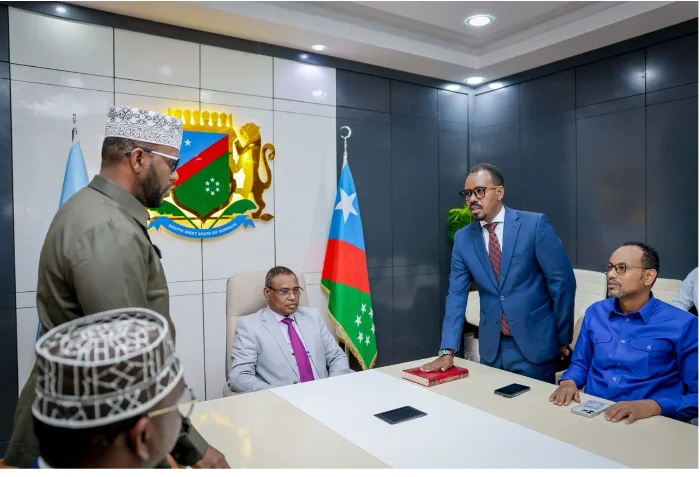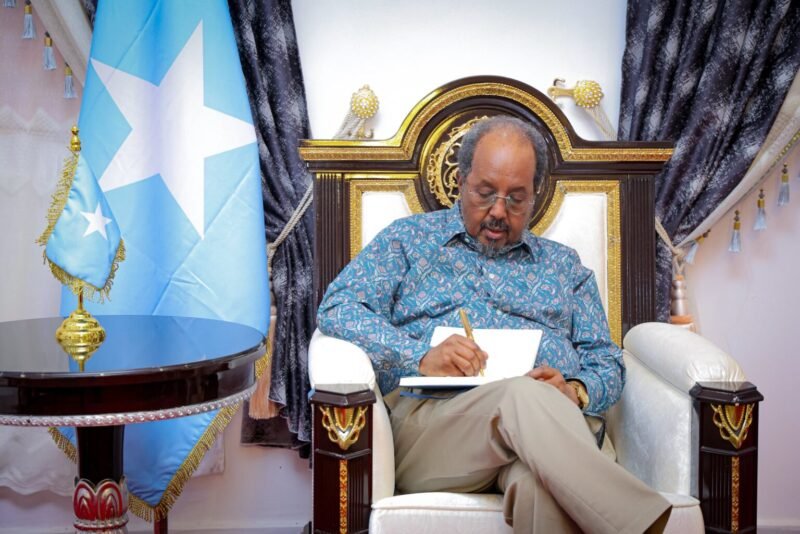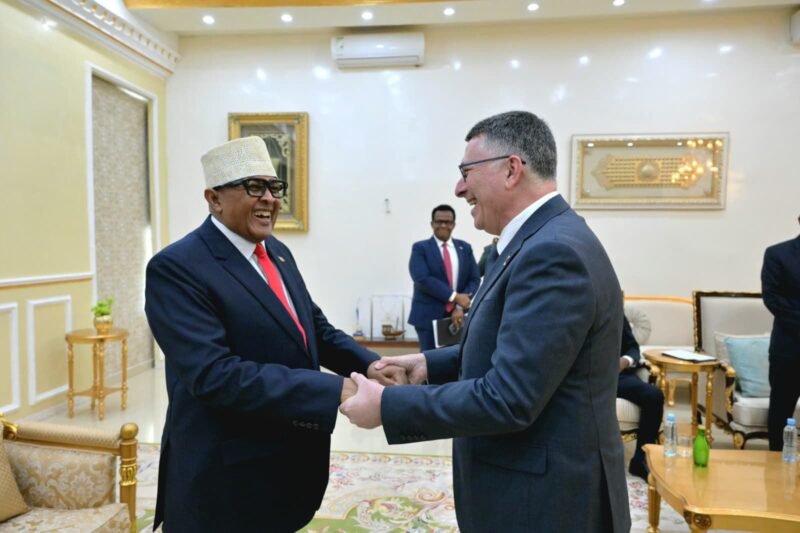
On January 6, 2026, the Horn of Africa witnessed a seismic shift in regional diplomacy as Israeli Foreign Minister Gideon Sa’ar arrived in Hargeisa for a historic official visit. This mission marks the first high-level engagement between the two nations following Israel’s landmark decision on December 26, 2025, to become the first United Nations member state to formally recognize Somaliland as an independent sovereign nation. Upon arrival, Minister Sa’ar was received by senior officials and is expected to hold high-stakes meetings with Somaliland President Abdirahman Mohamed Abdullahi (Irro) to finalize agreements on security, maritime cooperation, and economic development.
The Federal Government of Somalia in Mogadishu reacted with immediate and intense condemnation, issuing a formal statement through its Ministry of Foreign Affairs that characterized the visit as an “unauthorized incursion” and a “blatant assault” on its national sovereignty. Mogadishu reaffirmed that Hargeisa remains an “integral and inseparable part” of the Federal Republic of Somalia and declared that any diplomatic activity conducted there without its explicit authorization is “illegal, null, and void”. The Somali government further appealed to the United Nations, the African Union, and the Arab League to intervene and uphold the principle of territorial integrity, warning that Israel’s actions constitute unacceptable interference in the internal affairs of a sovereign state.
This visit has effectively solidified a new geopolitical divide in the region, pitting an “agile” pro-recognition bloc led by Israel and the UAE, against a “pro-unity” camp supported by Turkey, Egypt, Saudi Arabia, and Djibouti. For Israel, establishing a formal presence in Hargeisa provides a critical strategic vantage point near the Bab el-Mandeb strait, enhancing its ability to monitor maritime threats and counter regional adversaries. However, the move has drawn sharp criticism from the broader international community, with the African Union and the Organization of Islamic Cooperation (OIC) expressing grave concerns that the recognition could destabilize the Horn of Africa and set a precedent for secessionist movements across the continent.