MOGADISHU – A coalition of Western embassies and the United Nations mission in Somalia released a joint statement on Monday urging all Somali political leaders to return to negotiations and quickly establish an electoral plan, as the nation’s most severe political impasse in years shows no clear path to resolution.
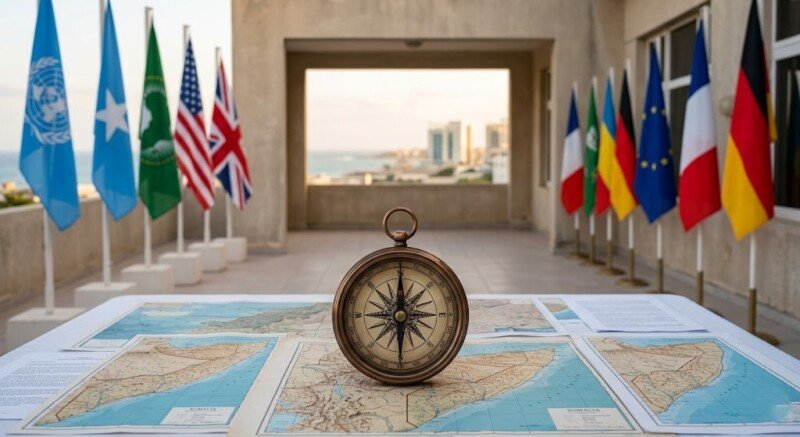
The statement was endorsed by numerous missions including the British Embassy in Mogadishu, the EU Delegation to Somalia, the UN mission, and embassies from Norway, Sweden, Germany, France, Ireland, Italy, the Netherlands, Belgium, Austria, Finland, Portugal, Spain, Switzerland, and Poland. The signatories expressed grave concern about the current situation and called on Somali leaders to prioritize national interests.
The statement emphasized, “We urge all parties to immediately resume dialogue and quickly agree on an electoral roadmap for the benefit of the Somali people.” The signatories cautioned against any actions that might intensify tensions and offered support from the international community for Somali-led negotiations if requested.
International partners including the UN, African Union, EU, IGAD, the United States, and the United Kingdom are set to convene high-level meetings to address the intensifying political crisis following the collapse of US and UK mediated talks between the federal government and the opposition Somali Future Council.
Crisis Building for Months
The statement comes after a turbulent month that has exposed fundamental constitutional challenges in Somalia. The federal parliament passed amendments in early March extending presidential and parliamentary terms from four to five years, delaying elections until 2027. Analysts characterized this action as replacing democratic legitimacy with what one commentary termed “the cold logic of force.” The federal parliament’s mandate expired on April 14, 2026, while President Hassan Sheikh Mohamud’s term ended on May 15.
President Mohamud’s efforts to amend the provisional constitution, create a new electoral framework, and reconfigure the federal map have been interpreted as an attempt to consolidate executive authority and prolong his tenure. This approach has intensified rifts between the central government and key federal member states, particularly Puntland and Jubaland.
The Puntland administration has accused President Hassan Sheikh Mohamud of unlawfully remaining in office following the expiration of his four-year term on May 15, 2026, which it said coincided with the end of the mandates for Somalia’s federal institutions. Puntland maintained that the federal institutions have lost their constitutional legitimacy and does not recognize Hassan Sheikh as a legitimate president.
Repeated Negotiation Failures
Diplomatic attempts to resolve the deadlock commenced well before the deadline. In February 2026, amid political and international pressure, President Hassan Sheikh and opposition leaders held their first formal meeting. A preliminary luncheon on February 17 was followed by official discussions at Villa Somalia on February 18 and 19. The talks quickly reached an impasse, ending without any agreement.
A second round of negotiations occurred in May. The United States intervened as mediator on May 13, with discussions taking place in the secure Halane compound at Mogadishu’s Aden Adde International Airport. High-stakes talks between Somalia’s federal government and the opposition Somali Future Council opened inside the heavily fortified Halane compound, marking one of the most politically sensitive meetings in Somalia in recent years as the country faced mounting tensions over elections, governance and constitutional disputes.
The negotiations ended without a breakthrough on May 15 as both sides remained fundamentally divided on key electoral issues. President Hassan Sheikh maintained that Somalia must implement a one-person-one-vote electoral system, asserting that recent constitutional amendments effectively extended his administration’s mandate. He completely rejected any proposals for a caretaker or transitional government. Shortly after the talks failed, he announced his presidency would continue until May 15, 2027. The opposition was equally firm, stating his constitutional authority had expired and he no longer had legitimate standing.
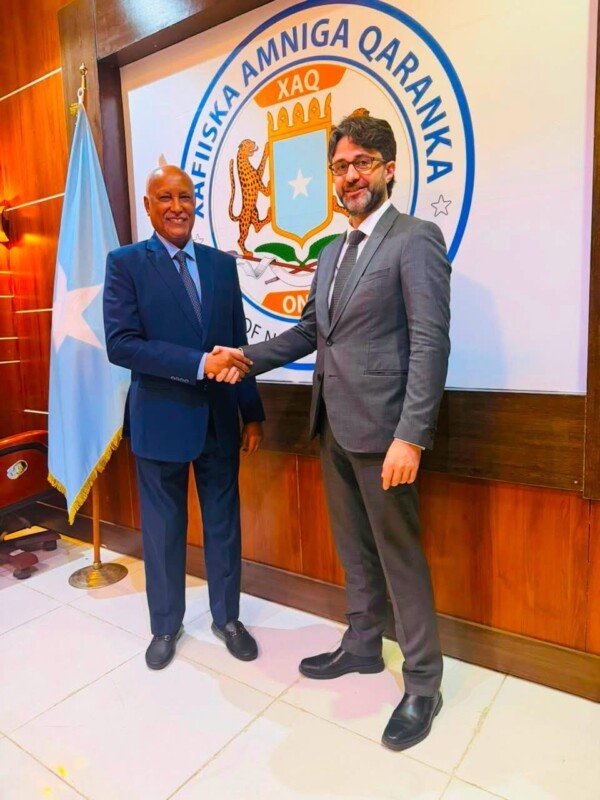
A comparison of official statements issued after a meeting between President Mohamud and EU Ambassador Francesca Di Mauro revealed a significant divergence in emphasis, particularly on the country’s unresolved political transition and electoral roadmap. The EU readout explicitly linked the meeting to the need for resolving the electoral deadlock and ensuring a peaceful political transition, language entirely missing from Villa Somalia’s press release.
Protests and Unrest
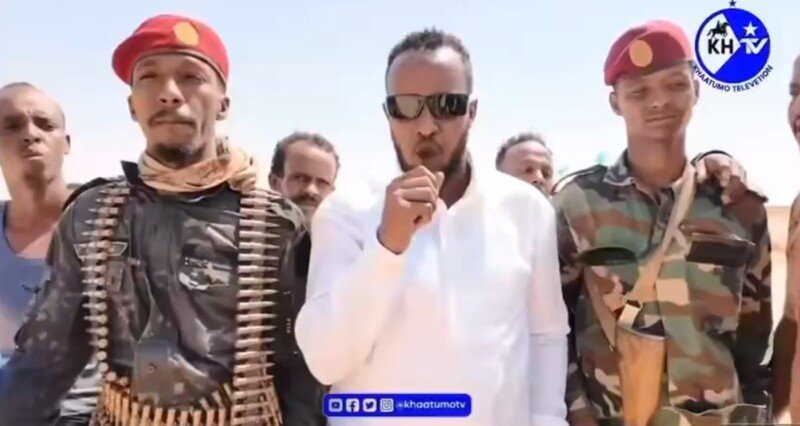
The political conflict had already spilled onto the streets before the mandate deadline. On May 10, one person died and several were injured when Somali security forces fired on anti-government protesters in Mogadishu’s Daynile district. The demonstrations were organized by the Somali Future Council, with former President Sheikh Sharif Sheikh Ahmed and former Prime Minister Hassan Ali Khaire among opposition leaders supporting the movement. President Mohamud claimed the protests were not legitimate civil rights actions but deliberate attempts to destabilize the country.
The United States delivered one of its most explicit public statements against the use of force on political protesters in Somalia, with U.S. Chargé d’Affaires Justin Davis stating that violence against peaceful demonstrators was “never acceptable” and called on Somali political leaders to engage in dialogue and compromise amid widening disagreements over the country’s electoral direction.
A national dialogue conference scheduled for May 10 was overshadowed by opposition calls for mass protests linked to forced evictions and recent deadly clashes in the capital. Former President Sharif Sheikh Ahmed and other leaders from the opposition-backed Somali Future Council announced plans to lead demonstrations against the government, urging residents who had lost their homes to participate.
Federal Structure Under Pressure
The week following May 15 saw a series of developments that cast doubt on the federal government’s authority. Puntland officially withdrew recognition of President Hassan Sheikh Mohamud’s administration. A high-level U.S. delegation then engaged in direct talks with Puntland leaders regarding political and security matters, bypassing Mogadishu in a way that would have been unprecedented in earlier diplomatic contexts.
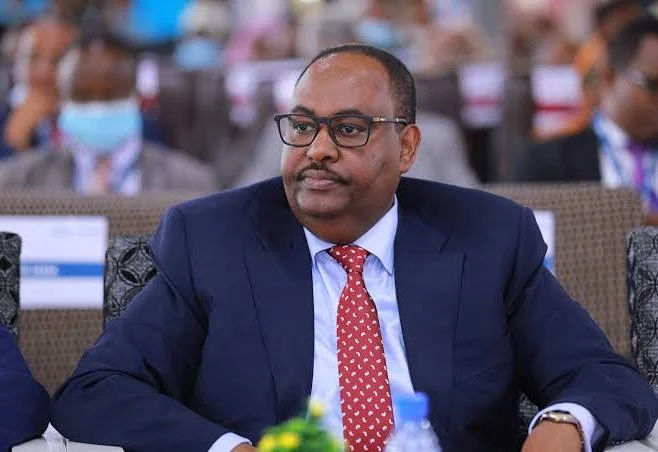
Puntland’s President Said Abdullahi Deni delivered a sharp critique against the Somali federal government, accusing it of attempting to dismantle the nation’s federal framework. Deni cautioned that policies purportedly backed by allies of President Hassan Sheikh Mohamud threaten to fracture Somalia regionally and warned that enforced centralization would reverse years of painstaking political dialogue and institutional development.
International partners organized virtual emergency discussions with the opposition and key regional leaders on May 18. The UN Secretary-General expressed appreciation for both parties’ willingness to engage and encouraged continued dialogue toward electoral agreements and related issues. The African Union and IGAD issued comparable appeals to resume transition negotiations.
Former President Sharif Sheikh Ahmed has cautioned that the nation is heading toward perilous political uncertainty, blaming President Hassan Sheikh Mohamud for hindering negotiations on the framework for upcoming national elections. Ahmed stated that repeated attempts by opposition leaders to establish a roadmap for the voting process had failed because, in his assessment, the president “had no genuine intention of reaching an understanding.”
Looking Ahead
Monday’s joint statement marks the most unified public diplomatic effort from the international community to date. With no negotiations currently scheduled and both sides maintaining their positions, the likelihood of an immediate resolution remains uncertain. The outcome of these diplomatic initiatives could substantially shape Somalia’s political course in the coming weeks, as intensifying pressure pushes all parties toward a viable accord. For now, the international community’s focus remains on preventing a further escalation of tensions and steering Somalia back toward a negotiated political settlement.
Recommended Reading On ftlsomalia.com:
- International Community Urges Renewed Dialogue Between Somali Government and Opposition Groups
- What Villa Somalia Left Unsaid: EU Envoy Stresses Inclusive & Democratic Elections
- Puntland Accuses Hassan Sheikh of Remaining in Office Illegally
- Rivals Convene in Mogadishu for U.S.-Mediated Talks Amid Constitutional Crisis
- US Warns Somalia Over Use of Force Against Opposition Protesters