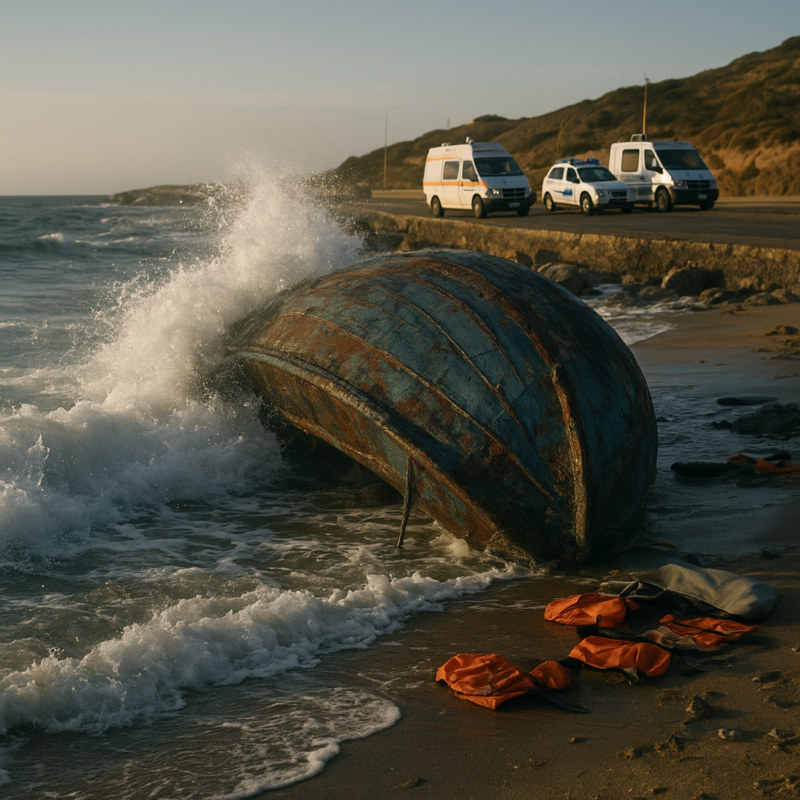
MOGADISHU — At least 17 Somali migrants have died after their boat capsized in waters between Algeria and Spain, Somalia’s Ambassador to Algeria confirmed on Thursday.
Ambassador Yusuf Ahmed Hassan told Somali state media that 12 men and five women drowned when the vessel overturned during the perilous journey to Europe. The ambassador said he was contacted by distressed parents searching for information about their missing relatives.
“I was reached by parents who were looking for their children and wanted to know their whereabouts,” Hassan said.
Ambassador Visits Hospitals to Identify Victims
Hassan contacted the Algerian Foreign Ministry, which confirmed that a group of African migrants had died in a coastal province approximately 100 kilometers west of the capital, Algiers. The ambassador traveled to the Algerian city of Bou Ismail early Thursday, arriving at around 6 a.m.
“I visited two hospitals in the province and saw the bodies,” he reported.
Algerian authorities have not yet released full details of the tragedy, including the total number of passengers on board or the cause of the vessel’s capsizing.
Dangerous Migration Route and Somali Vulnerability
The route between North Africa and Spain is one of several commonly used by migrants seeking to reach Europe, often involving overcrowded and unseaworthy boats. Shipwrecks are frequent along these routes, particularly in the western Mediterranean and Atlantic corridors, where thousands of migrants risk their lives each year fleeing conflict, poverty, and climate-related hardships.
Somali migrants are among those increasingly undertaking such journeys, driven by insecurity, limited economic opportunities, and prolonged drought conditions at home.
Repatriation Efforts from Libya
The tragedy comes as the Somali government continues efforts to repatriate citizens stranded abroad. The Somali government airlifted 184 citizens from Libya in a major repatriation drive earlier this year, with many evacuees having been trapped in Libya for months, some detained in overcrowded facilities while others were left stranded after failed attempts to transit toward Europe.
Dozens of Somali migrants were also reported abandoned in Libya after being deserted by smugglers, with those stranded describing worsening humanitarian conditions. “We are suffering terribly. We have no food, shelter, or medical help,” said one migrant.
Foreign Minister’s Visit to Libya and Embassy Commitments
The federal government has been actively working to address the plight of Somali citizens in North Africa. Foreign Minister Abdisalam Abdi Ali recently visited the Somali Embassy in Tripoli, where he urged the mission to strengthen consular services and prioritize support for vulnerable nationals. During the visit, the minister met with Ambassador Abdi Aden Diriye and embassy staff, receiving briefings on the situation of Somali citizens, including migrants and detainees facing difficult conditions.
Minister Abdisalam issued a directive to the embassy administration, calling for an immediate intensification of all measures intended to safeguard Somali nationals under their responsibility. “The Federal Government maintains a complete, unwavering dedication to the rescue, legal protection, and ongoing assistance of its citizens, regardless of their global location,” the minister stated.
Libya Remains Key Transit Route
Libya remains a key transit route for migrants attempting to reach Europe, with many Somali nationals facing risks including detention, exploitation, and unsafe conditions. Strengthening embassy support is critical to addressing these challenges and ensuring the safety and rights of Somali citizens overseas.
The route between North Africa and Spain is among several frequently used by migrants attempting to reach Europe, typically involving overcrowded and unseaworthy vessels. Sea disasters are frequent along these crossings, particularly in the western Mediterranean and Atlantic routes, where thousands of migrants risk their lives each year while fleeing conflict, poverty, and the effects of climate change.
Commitment to Protecting Citizens Abroad
The federal government has consistently emphasized that protecting Somali citizens abroad remains a top priority. The Ministry of Foreign Affairs and International Cooperation has stated that repatriation operations are part of broader efforts to assist citizens in distress and counter the risks posed by irregular migration and trafficking networks.
Authorities have urged Somali citizens to pursue legal migration channels and avoid the dangerous sea routes that have claimed countless lives. The government continues to work with international partners, including the International Organization for Migration (IOM) and the United Nations High Commissioner for Refugees (UNHCR), to provide assistance to vulnerable Somali migrants and facilitate their safe return home.
The tragic loss of 17 Somali lives off the Algerian coast serves as a stark reminder of the dangers faced by those who risk everything in search of a better future in Europe. The federal government has reiterated its commitment to addressing the root causes of irregular migration, including insecurity, economic hardship, and drought, while providing consular support and repatriation assistance to citizens in distress abroad.