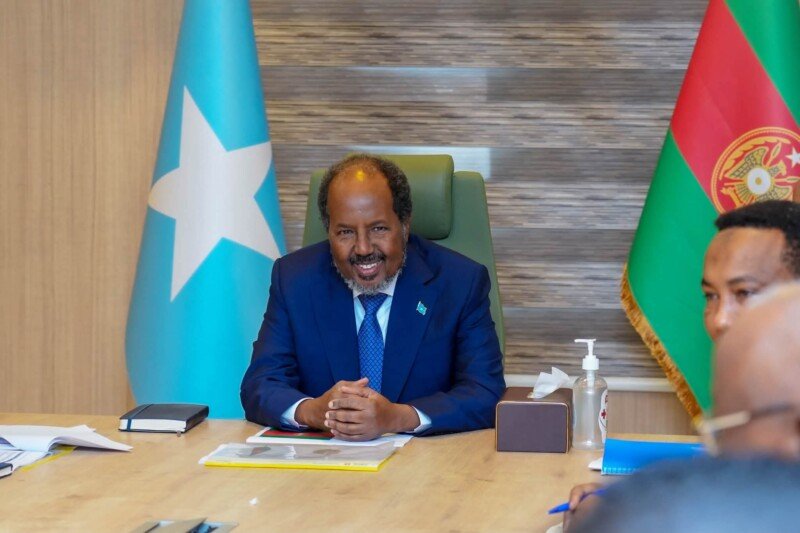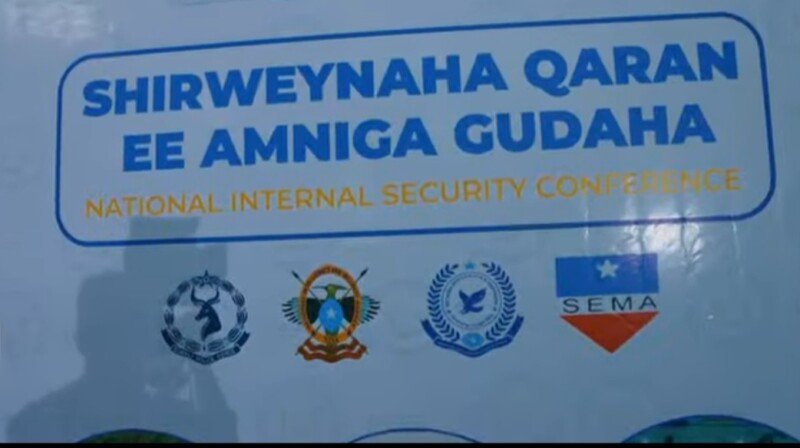
MOGADISHU — The National Internal Security Conference has officially opened in Mogadishu, bringing together senior government officials, security agencies, and representatives of federal member states to discuss ways of strengthening Somalia’s security institutions and improving coordination.
The two-day conference, which opened on Tuesday, September 1, 2026, brings together stakeholders involved in Somalia’s internal security affairs as the country continues efforts to strengthen its national security architecture. The conference is being held at a critical time as Somalia prepares for the transition of security responsibilities from the African Union Support and Stabilization Mission in Somalia (AUSSOM) to Somali forces by the end of 2026.
The agenda is centered on three key areas: oversight of security institutions, coordination among agencies, and financial capacity. Oversight discussions will examine institutional responsibilities and accountability, including the relationship between the Ministry of Internal Security and agencies under its authority such as police, intelligence and immigration, as well as Parliament’s oversight role.
The second area focuses on improving coordination by identifying operational challenges and strengthening cooperation among agencies responsible for internal security. Security financing is the third area, particularly as AUSSOM is expected to conclude by the end of 2026. Somalia has made progress in increasing domestic revenue, but needs to assess its ability to cover security costs and determine where international partners can continue support.
The conference comes as Somalia continues to rebuild its security institutions and assume greater responsibility for national security amid an ongoing campaign against Al-Shabaab and preparations for a broader transition in the country’s security arrangements. Effective coordination between federal institutions and the federal member states remains a key challenge, particularly as security responsibilities are increasingly transferred to Somali forces.
The conference follows a series of capacity-building initiatives for Somalia’s security forces, including a Japan-funded 10-day training program for instructors of the Somali Police Force launched in May 2026. The program, held at the General Kaahiye Police Training School and supported by AUSSOM, focuses on strengthening police capacity and improving security services.
The Somali Police Force has also been enhancing its specialized capabilities, with the graduation of Haramcad commandos at the TURKSOM Military Academy in Mogadishu. The Haramcad troops were trained in high-risk operational tactics, rapid response to attacks, civilian protection, and modern technology applications. The Haramcad unit has received extensive Turkish support through training, equipment provision, and modernization programs.
The United States has also been a key partner in building Somalia’s security capacity, with nearly 80 officers from the Somali Police Force and NISA completing a year-long training program on modern crime scene investigation. The training covered crime scene investigation techniques, evidence collection and preservation, and methods for verifying critical information for investigations. Justin Davis, the U.S. embassy’s chargé d’affaires in Somalia, said the programme was designed to bring the two security institutions together to develop common investigative skills and improve cooperation.
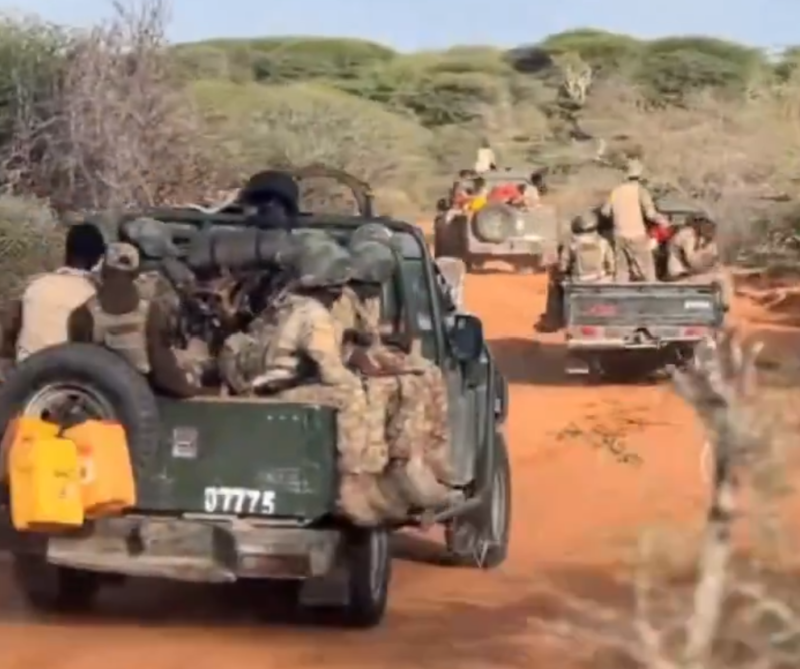
Somali forces have been conducting intensified operations against Al-Shabaab, with a 72-hour planned security operation across the Buulo Cabdalla corridor in Lower Shabelle resulting in the death of 22 Al-Shabaab militants, including their regional commander, Cabdiraxmaan Jeeri. The military campaign forms part of a broader offensive to dismantle militant strongholds in the region.
The conference is expected to produce recommendations on strengthening the internal security system, improving institutional coordination and developing long-term financing plans.
Critical Note
The National Internal Security Conference reflects the government’s continued efforts to strengthen Somalia’s security institutions and improve coordination among various agencies and levels of government. However, the effectiveness of these discussions will be measured by their implementation. Somalia has a history of high-level security conferences that produce ambitious recommendations but are often followed by limited action on the ground.
The emphasis on financial capacity is particularly important given the impending transition from AUSSOM to Somali-led security. Without a clear and sustainable financing plan, the gains made in security could be eroded. The government must also address the persistent challenge of coordination between federal institutions and federal member states, which has often been a source of tension and inefficiency.
As Somalia continues its campaign against Al-Shabaab and prepares for the transition of security responsibilities, the international community should support these institution-building efforts while maintaining robust oversight to ensure that resources are used effectively and transparently.