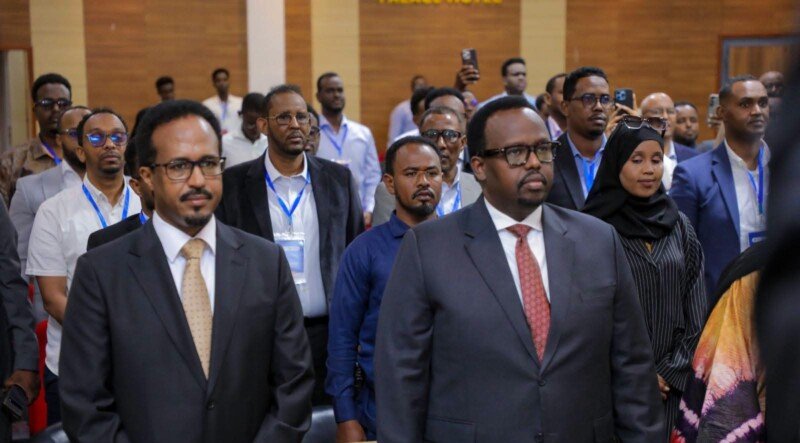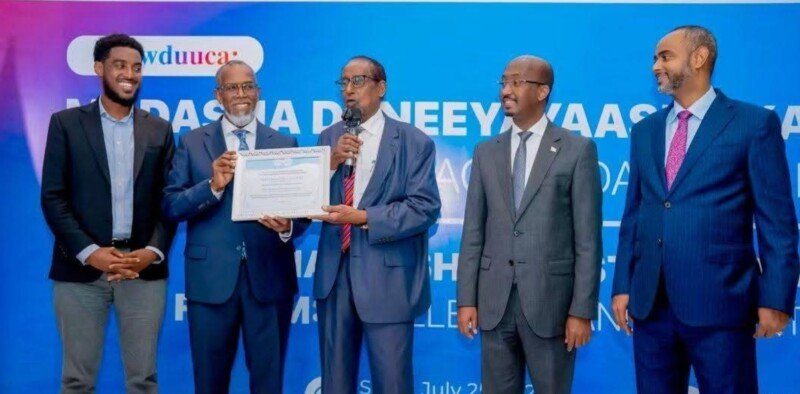
MOGADISHU — Somalia is set to host its first-ever Maritime Conference in Mogadishu, bringing together key stakeholders to discuss the country’s maritime sector and its strategic importance to national development. The conference is scheduled for August 4-5, 2026.
The inaugural Somalia Maritime Conference will focus on a range of issues, including maritime sovereignty, maritime security, trade and the development of Somalia’s blue economy. The forum comes as Somalia seeks to strengthen its management and protection of its extensive coastline and maritime resources while expanding opportunities in fisheries, shipping, ports and other areas of the maritime economy.
Maritime Security at the Forefront
Maritime security is expected to feature prominently during the conference, given Somalia’s strategic location along the Gulf of Aden and the wider western Indian Ocean, key routes for international trade and commercial shipping. The conference is expected to provide a platform for government officials, maritime experts, development partners and other stakeholders to discuss strategies for strengthening Somalia’s maritime institutions and unlocking the economic potential of the country’s blue economy. The event marks a significant step in Somalia’s efforts to place maritime affairs at the centre of its national security, economic and development agenda.
Somalia has recently tightened its grip on piracy with new maritime legislation, safeguarding its waters and protecting international shipping routes. The EU has also conducted joint drills with the Somali Coast Guard to boost maritime security, deter piracy, and ensure the safe passage of vessels in one of the world’s busiest maritime corridors. Somalia has also deepened maritime security cooperation with South Africa, focusing on preventing illegal fishing, human trafficking, and other maritime crimes.
Unlocking Somalia’s Blue Economy Potential
Somalia boasts the longest coastline in Africa, stretching over 3,300 kilometers along the Indian Ocean and the Gulf of Aden. Despite this vast resource, the country has historically struggled to secure its waters from illegal fishing, which costs Somalia over $300 million annually.
Somalia’s blue economy holds billion-dollar promise, with Director General Dirshe underscoring the untapped potential of the country’s maritime resources. “Somalia’s blue economy can transform livelihoods and strengthen our economy, but only if we protect it. Illegal fishing is not just a theft of resources, it’s a theft of opportunity from our people,” Dirshe said.
Prime Minister Hamza Abdi Barre has launched a new Fisheries Ministry headquarters to boost Somalia’s blue economy, describing it as “the country’s future.” Somalia has also established the SOMTÜRK fisheries partnership with Turkey to enhance blue economy development, increase fish production, create local processing facilities, and address illegal, unreported, and unregulated fishing.
Recent Developments in Maritime Cooperation
The conference follows a series of recent developments in Somalia’s maritime sector. Somalia and Egypt have agreed to enhance cooperation in fisheries, blue economy, and petroleum and mineral resources, following separate meetings held in Mogadishu between senior Somali ministers and an Egyptian delegation led by Ambassador Mohamed Karim Fouad Sherif.
Somalia and China have signed a zero-tariff fisheries protocol, granting all Somali fishery products full duty-free access to the Chinese market. This landmark agreement is expected to attract investment in fish processing and cold-chain infrastructure and strengthen the sustainable development of Somalia’s blue economy.
A Turkish naval delegation and exploration vessels recently arrived in Mogadishu for maritime security talks, focusing on enhancing cooperation in maritime security and oil exploration.
The conference also builds on Somalia’s participation in international forums. Somalia pledged stronger maritime security and blue economy reforms at the Global Ocean Conference in Mombasa, Kenya, where Deputy Prime Minister Salah Ahmed Jama highlighted the country’s efforts to protect marine resources, strengthen ocean governance, and combat illegal fishing.
Critical Note
While the first-ever Maritime Conference in Mogadishu represents a significant step toward placing maritime affairs at the centre of Somalia’s national development agenda, the gap between policy aspirations and on-the-ground implementation remains a persistent challenge. Somalia’s maritime sector has long been plagued by illegal fishing, inadequate enforcement capacity, and insufficient investment in port infrastructure and fisheries management. The conference’s focus on blue economy development, while welcome, must be accompanied by concrete actions to combat illegal, unreported and unregulated fishing, which continues to drain hundreds of millions of dollars from the economy annually. Furthermore, the government’s ability to coordinate effectively with international partners and ensure that agreements translate into tangible benefits for coastal communities will be a critical test of its maritime governance capacity. The recent zero-tariff agreement with China and the partnership with Turkey offer promising opportunities, but their success will depend on Somalia’s ability to build the institutional and regulatory frameworks necessary to attract and manage investment. Without sustained political will and adequate resourcing of maritime institutions, the conference risks being remembered as a symbolic gesture rather than a genuine turning point in Somalia’s relationship with its vast ocean resources.
Recommended Reading On ftlsomalia.com
- Somalia’s Blue Economy Holds Billion-Dollar Promise, Says DG Dirshe
- PM Barre Launches New Fisheries Ministry HQ to Boost Somalia’s Blue Economy
- Somalia Establishes SOMTÜRK Fisheries Partnership with Turkey to Enhance Blue Economy
- Turkish Naval Delegation and Exploration Vessels Arrive in Mogadishu; Maritime Security Talks Held
- Somalia Tightens Grip on Piracy with New Maritime Law