MOGADISHU: The Federal Government of Somalia has moved to address mounting concerns raised by Somali pilgrims performing this year’s Hajj pilgrimage in Mecca, following widespread complaints over food shortages and poor transport arrangements during their stay in the Kingdom of Saudi Arabia.
Khadar Haji Dahir, who heads the Hajj Affairs Office within Somalia’s Ministry of Endowments and Islamic Affairs, confirmed that the ministry has been closely monitoring the pilgrims’ concerns and is implementing measures to rectify the situation. The official clarified that the Somali government does not directly provide meals to pilgrims, pointing out that in past years, many Somali pilgrims depended on private restaurants near their lodgings. This clarification follows the ministry’s earlier announcement setting the maximum Hajj package cost at $4,543.50.
Meal Disruptions Follow Closure of Somali Restaurants
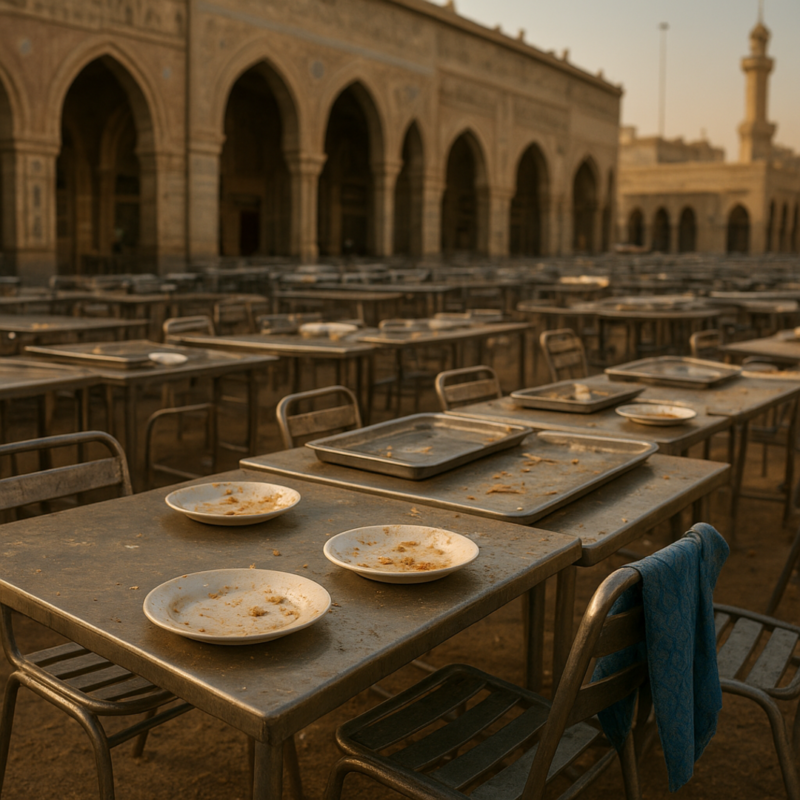
According to the representative, Saudi authorities shut down several restaurants that pilgrims had traditionally used this year, causing disruptions in meal services and sparking complaints about limited food access. Ali Ibaar, chairman of Somalia’s Hajj service companies, added that local bus services in Makkah and Madinah were similarly not included in the official Hajj package. He explained that Saudi authorities closed several Somali-run restaurants after determining they lacked the licenses required to operate under local regulations. The restaurants had been operating as private arrangements and were not part of an officially approved catering program for Somali pilgrims.
The logistical challenges come despite Somalia having secured an expanded Hajj quota of 11,500 pilgrims for the 2026 season, raising questions about the government’s capacity to manage a larger influx of travelers.
Pilgrims Vent Frustration as Government Promises Action
The remarks come as thousands of Somali pilgrims are currently in Mecca for the annual Hajj pilgrimage. In recent days, some pilgrims have publicly complained about food shortages and poor transport arrangements. Videos circulating on social media have shown angry pilgrims confronting officials, with one elderly pilgrim reportedly stepping in front of the vehicle carrying Somalia’s Minister of Religious Affairs, Mukhtar Robow Ali, to voice their suffering.
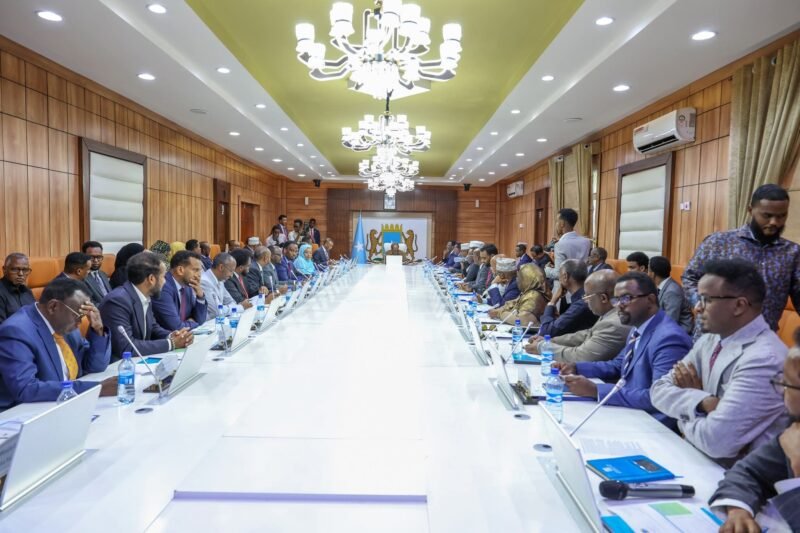
Khadar indicated that the ministry is collaborating with relevant stakeholders to overcome the difficulties and guarantee that Somali pilgrims obtain the necessary services to complete their Hajj rituals without issues. The ministry said Somali officials and Hajj service providers subsequently held discussions with Saudi authorities to address the issue. Officials confirmed that pilgrims were later able to access food through licensed restaurants operating in accordance with Saudi regulations. The government has pledged to use the lessons from this year’s crisis to ensure a smoother experience in the future, building on recommendations from previous Hajj assessments aimed at improving pilgrim services.
Recommended Reading On ftlsomalia.com:
- 432 Somali Pilgrims Begin Hajj Journey from Mogadishu and Hargeisa
- Robow Sets New Hajj Fee for Somalis While Rejecting Corruption Claims
- Somalia Secures Expanded Hajj Quota in New Agreement with Saudi Arabia
- Somalia, Ethiopia Agree on Flights to Facilitate Hajj Pilgrims
- Somalia Urges Implementation of Recommendations From Previous Hajj Reports to Ensure Improved Pilgrim Services