GENEVA – Somalia has secured a prominent regional leadership seat on the Governing Board of the Global Community Engagement and Resilience Fund (GCERF), succeeding Kenya as the voice for East African member states, a development that highlights the nation’s expanding influence in global initiatives to counter violent extremism.
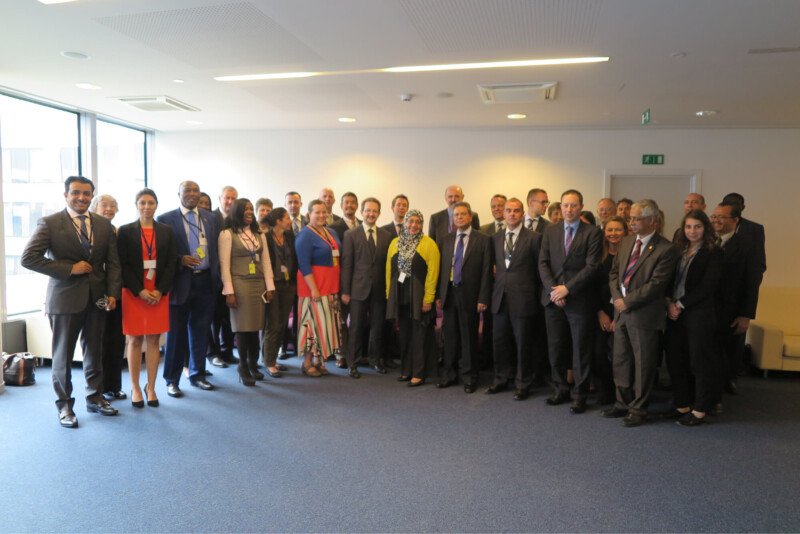
The appointment was finalized at a senior-level GCERF Governing Board gathering in Geneva, where delegates from Africa, Europe, Japan, and the Arab world were present.
Somalia to Represent Three Nations on GCERF Board
In this capacity, Somalia will advocate for the interests of Somalia, Kenya, and Mozambique on the board, granting Mogadishu greater influence in shaping global policies and initiatives focused on extremism prevention and community resilience building. The selection is broadly interpreted as acknowledgment of Somalia’s deepening expertise in countering extremist narratives and crafting community-driven strategies to prevent radicalization, complementing its ongoing military campaigns against Al-Shabaab.
Ali Yasin Gurbe to Lead Somalia’s Representation
Ali Yasin Gurbe, who serves as Director General of Somalia’s National Centre for Preventing and Countering Violent Extremism (Tubsan), will step into the role formerly occupied by Kibiego Rotich, Director General of Kenya’s National Counter Terrorism Centre. Tubsan Director Ali Yasin Gurbe has emphasized that combating extremism extends beyond military action to ideological, psychological, technological, and economic fronts demanding broad societal participation, especially from youth [citation:1]. At a recent forum in Mogadishu, Gurbe pointed to the substantial advances achieved by the government and its allies in undermining terrorist operations, stating that “a sustained effort to isolate the terrorists has been mounted. Their accounts closed, illicit maritime extortion rings disrupted, and financial lifelines severed” [citation:1].
Recognition of Somalia’s Counter-Extremism Expertise
The appointment is widely seen as recognition of Somalia’s growing experience in combating extremist ideologies and developing community-based approaches to preventing radicalization, alongside ongoing military operations against Al-Shabaab. Officials said the new role will enable Somalia to contribute more directly to international decision-making on countering violent extremism, while also helping to shape regional strategies for countries facing similar security challenges.
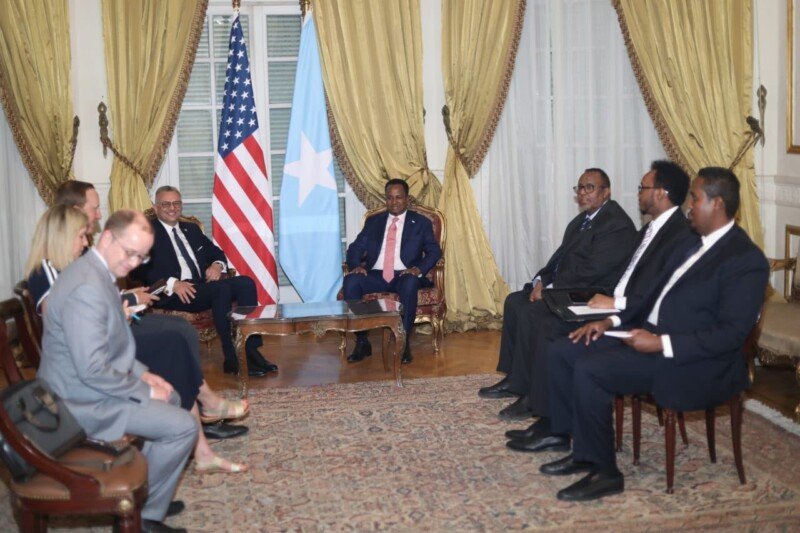
Deputy Prime Minister Salah Ahmed Jama recently convened a high-level Coordination Forum on Preventing Extremist Ideology, organized by Tubsan, as part of a broader government push to complement military gains with ideological countermeasures [citation:4]. The forum focused on strengthening national capabilities to counter extremist narratives before they take root within local communities, with a key operational priority being the rapid expansion of grassroots awareness campaigns targeting youth [citation:4].
GCERF’s Role in Somalia and Regional Security
GCERF operates as a global financing mechanism backing community-led efforts to prevent violent extremism, partnering with governments, civil society groups, and local organizations in nations affected by conflict and instability. The organization offers both funding and technical expertise for programs aimed at reducing susceptibility to radicalization and reinforcing social cohesion.
The Federal Republic of Somalia has consolidated its position within international security architectures during the global summit on Counter-Terrorism Cooperation in Africa, part of the prestigious Madrid Dialogue series [citation:3]. High-level conversations centered on the geopolitical impact of emerging technologies, with Somalia’s Presidential Special Envoy for Preventing and Countering Violent Extremism, MP Aweys Mohamed Omar, joining senior global diplomats and intelligence architects to negotiate multilateral frameworks designed to dismantle extremist networks across the African continent [citation:3].
Tubsan National Centre’s Mandate and Strategy
Prime Minister Hamza Abdi Barre inaugurated the Tubsan Center in Mogadishu in October 2023, stating that the center represents an important milestone for Somalia and would help prevent, counter, and fight terrorism in the East African nation [citation:7].
The Council of Ministers, under the leadership of Prime Minister Hamza Abdi Barre, approved Tubsan Center’s 2024-2027 National Strategy for Preventing and Countering Violent Extremism as part of ongoing efforts to enhance security and counter terrorism in Somalia [citation:9].
International Confidence in Somalia’s Institutions
Observers suggest Somalia’s ascension to the regional post signals mounting international trust in the country’s counter-extremism institutions and its broader contribution to regional security, positioning Somalia at the heart of dialogues on violent extremism prevention across East Africa, a region still grappling with threats from cross-border militant networks.
The National Center for Preventing and Countering Violent Extremism (Tubsan) has launched a program aimed at increasing women’s roles in Somalia’s armed forces, highlighting the critical contributions women can make to peacebuilding, intelligence, and community engagement [citation:2]. “A security system without women is incomplete,” Gurbe told participants. “Your involvement strengthens national defense and builds trust between communities and security forces” [citation:2].
Looking Ahead
The upcoming GCERF Governing Board session is set to be held in Tokyo, Japan, where Somalia will take part in its newly assigned role as regional representative. The position will allow Somalia to play a more active role in international policymaking on violent extremism, while also helping guide regional approaches for nations confronting comparable security threats. This development marks a significant step for Somalia as the Federal Government and the National Centre for Preventing and Countering Violent Extremism will play a greater role in international discussions and decision-making on countering violent extremism and terrorism prevention in East Africa.
Recommended Reading On ftlsomalia.com:
- TUBSAN Hosts Forum on Youth Role in Countering Extremism
- Somalia Intensifies Anti-Terror Ideology Campaign at TUBSAN Forum
- Somalia Advances Counter-Terrorism and AI Governance at Madrid Dialogue
- Somalia Strengthens Security by Empowering Women in Armed Forces
- Somali Cabinet Approves National Strategy for Preventing and Countering Violent Extremism (2024-2027)