HARGEISA — The Somaliland administration has officially announced the results of the Grade 12 secondary school and Grade 8 middle school certificate examinations, revealing exceptionally high pass rates across both levels.
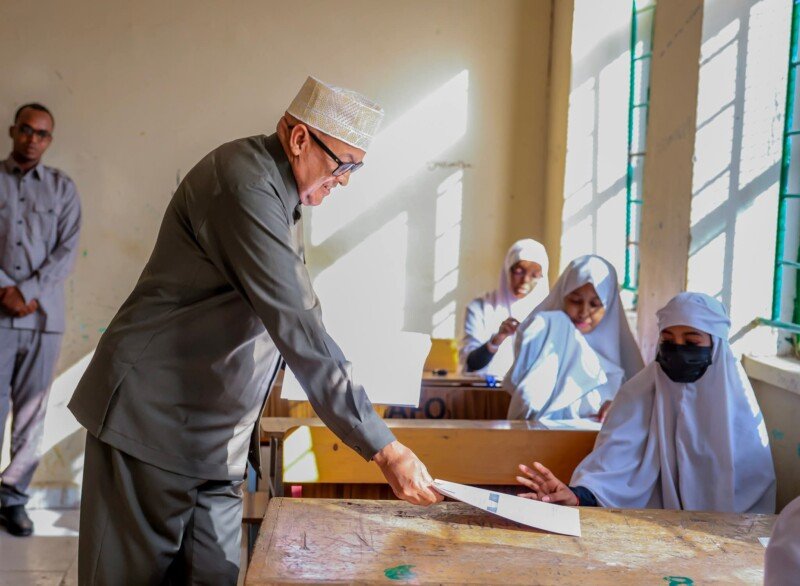
For the Grade 12 examinations, 16,078 students sat for the tests, with 16,051 students passing, representing a 99.8% pass rate. Only 27 students, or 0.2%, failed the examination.
For the Grade 8 examinations, 25,954 students participated, with 25,860 students passing, a 99.6% pass rate. A total of 94 students, or 0.4%, did not pass the examination.
These results demonstrate a very high success rate for this year’s certificate examinations, with nearly all students who sat for both exams advancing to the next level of education. Parents, teachers, and successful students have been congratulated, while students who did not pass have been encouraged to take advantage of future opportunities to further their education.
The announcement follows similar results from other administrations in the region. In August 2026, over 44,000 students passed the Grade 8 exams in Mogadishu, with a pass rate of approximately 96.8 percent and girls accounting for 45.47 percent of successful candidates.
Puntland also announced its Grade 12 results, with 8,205 of 8,923 students passing, a 92% pass rate, while 718 students failed and 35 had their results cancelled over examination-related violations.
Efforts to expand educational access have included the renovation of schools like the Qasim AlBarawi Primary and Secondary School in Barawe, which saw over 300 students, including girls, enroll after USAID-funded renovations.
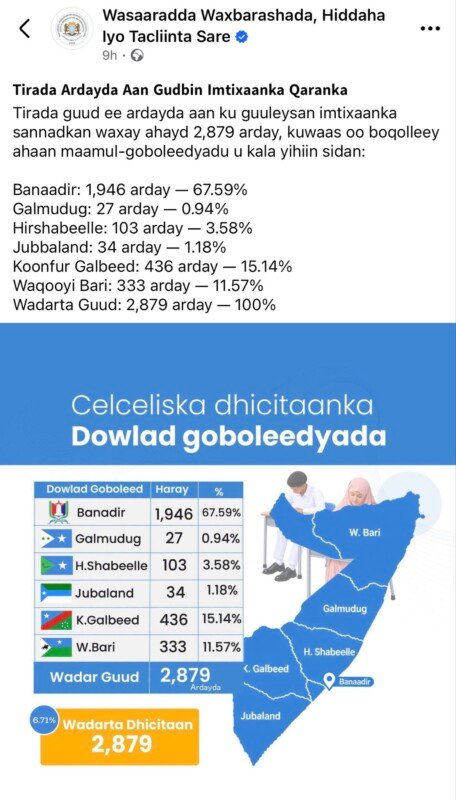
The Federal Ministry of Education, Culture and Higher Education announced the Grade 12 national exam results on August 15, 2026, confirming that 40,037 students passed the examination while 2,879 did not meet the required standard.
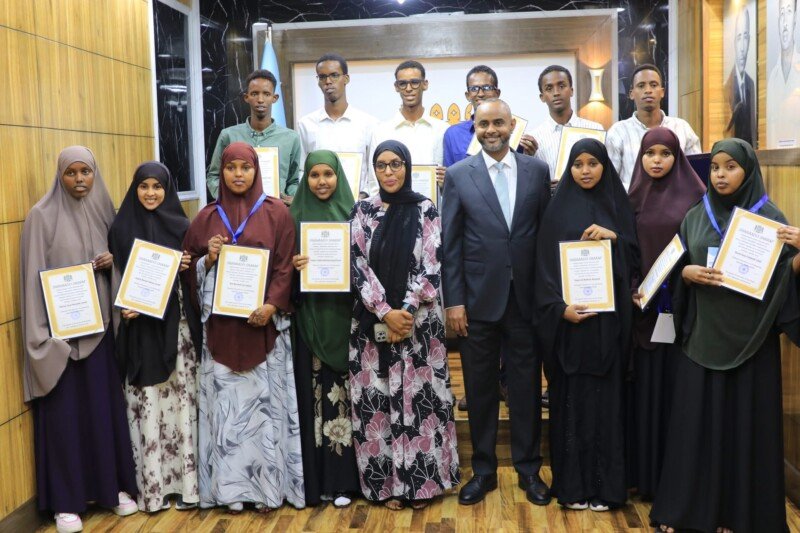
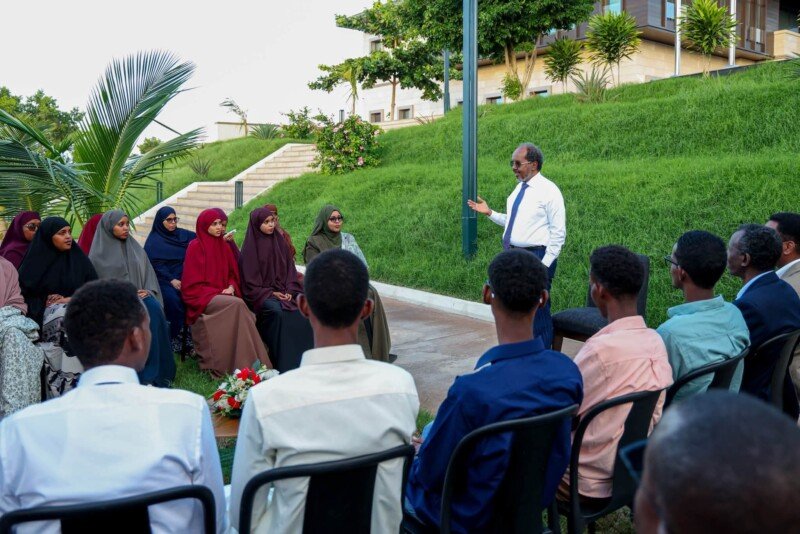
President Hassan Sheikh Mohamud met with the top 10 students from the Grade 12 national examinations, commending their hard work and academic excellence while pledging to provide free university education to those who wish to continue their studies within the country. The President also announced plans to establish a new public university focused on technology and innovation.
Educational Context in the Region
The Somaliland results come amid broader educational developments across the region. The high pass rates reflect the continued operation of the education system and the dedication of students and educators. For students who successfully passed, the results open pathways to further education, including university studies for Grade 12 graduates and secondary school for Grade 8 graduates.
Somaliland administers its own Grade 12 certificate examinations through its regional education authorities, separate from the unified national secondary-school examinations conducted by Somalia’s Federal Ministry of Education. The region has maintained its own curriculum and examination system for years.
Prime Minister Hamza Abdi Barre and the Minister of Women and Human Rights Development have honoured the top student in this year’s national exams, Maxamed Ciise Daahir, and his mother, Safiya Macalin Abdulle Cumar. The Prime Minister announced that the government would provide a job for Safiya and a full scholarship for her son’s university education.
President Hassan Sheikh Mohamud, who himself earned a Ph.D. in 2022, has long been a passionate advocate for education, promising to establish a fund to support Somali students pursuing doctoral degrees.
Critical Note
The exceptionally high pass rates in Somaliland’s Grade 8 and 12 examinations raise questions about the rigour of the examination system and the standards being applied. While the results reflect the hard work of students and teachers, pass rates exceeding 99% are unusually high by international standards and may suggest that the examinations are not sufficiently differentiated to identify varying levels of student achievement.
The challenge for Somaliland’s education system is not simply to ensure that students pass examinations, but to ensure that those examinations accurately assess student learning and that the qualifications they receive are meaningful and recognized. Without external validation of standards, there is a risk that the qualifications may not be recognized by universities or employers, limiting the opportunities available to graduates.
The Somaliland administration must ensure that its education system continues to develop and that examination standards are maintained. The high pass rates should not be a cause for complacency but should prompt reflection on whether the education system is adequately preparing students for the challenges they will face in higher education and the workforce.
Recommended Reading On ftlsomalia.com
- President Hassan Sheikh Honours Top Grade 12 Students
- Over 44,000 Students Pass Grade 8 Exams in Mogadishu
- 300 Students Enroll in Newly Renovated Secondary School in Barawe
- Ministry of Education Announces Grade 12 National Exam Results
- Prime Minister Hamza and Women’s Minister Honour Top Student
- Somali President Earns PhD from University for Peace