GENEVA – The United Nations World Food Programme has reported that millions of people are being driven into acute hunger due to ongoing conflicts, as the agency had warned would occur if hostilities continued and oil prices remained elevated.
A new WFP analysis of three vulnerable nations reveals that an additional 2.5 million people in Somalia, 2.3 million in Afghanistan, and 1.3 million in Sri Lanka are now struggling to meet their basic nutritional requirements, with some being pushed into acute hunger as a direct result of the Middle East crisis.
WFP’s March Projection Becomes Reality
In March, WFP projected that 45 million individuals could face acute food insecurity by June if the conflict continued and oil prices remained around $100 per barrel. “We stand by that prediction,” stated WFP’s acting Executive Director Carl Skau. “This primarily results from the strong connection between energy and food prices in many regions, coupled with the fact that in the poorest nations, individuals already allocate all their resources to food, meaning any price increases force them to reduce consumption.”
A recent Somalia Comprehensive Food Security and Vulnerability Assessment found that nearly one-third of Somali households remain food insecure, with internally displaced persons and rural communities bearing the heaviest burden. The report surveyed 8,816 households across 34 districts in 17 regions, finding that 29 per cent were food insecure, including 25 per cent moderately and 4 per cent severely food insecure.
Middle East Crisis Creates Ripple Effects
According to the report released Thursday, the Middle East crisis is creating “substantial ripple effects,” particularly affecting food and fuel prices and disrupting trade. In already vulnerable countries, the Rome-based agency noted, these factors combine rapidly to affect food security and livelihoods. “These consequences are anticipated to worsen in the coming months, even if the Middle East conflict diminishes,” WFP stated.
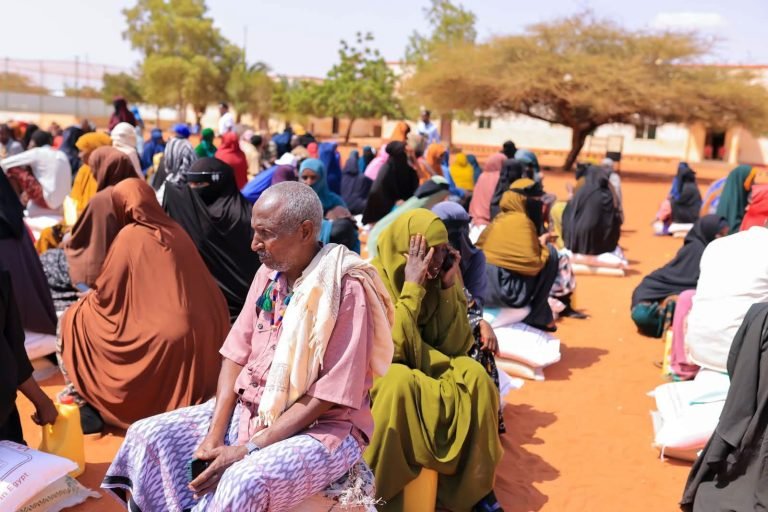
In Somalia, where communities are still grappling with drought and conflict, almost 60 per cent of households may be unable to meet essential needs in 2026, up from 47 per cent in 2025. The country is highly exposed to global price shocks, importing 100 per cent of its oil and 90 per cent of its cereals. An estimated 6.5 million people in Somalia, roughly a third of the population, are expected to face severe hunger in 2026, according to WFP data.
Funding Shortages Force Aid Reductions
Skau highlighted other regions experiencing food insecurity, including Sudan, Gaza, southern Lebanon, Yemen, and Haiti. Due to funding reductions, WFP has been forced to restrict assistance to millions of those in need. The agency expects to serve 1.5 million fewer people globally in 2026, and 9 million fewer if the crisis persists for six months.
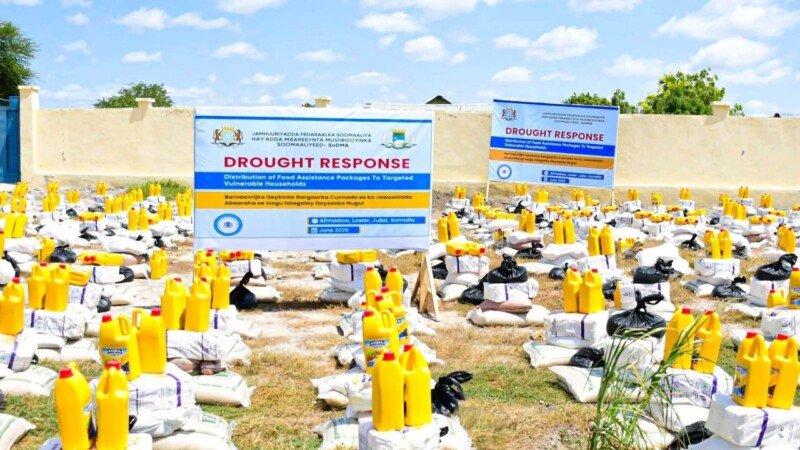
WFP is urgently appealing for $95 million to sustain critical food and nutrition operations in Somalia through August 2026. The number of emergency food aid recipients in Somalia has already fallen from 2.2 million in early 2025 to just over 600,000 currently, and crucial nutrition initiatives for expectant mothers and young children have been severely scaled back.
Children at Greatest Risk
In Somalia, supplies of nutritious food for children under 5 suffering from moderate malnutrition will run out as soon as July, as WFP faces an 89 per cent funding gap in the country. “We are running out of food. The food is not available for distribution, and the ones who will experience the impact of this are going to be very vulnerable children,” said Jean-Martin Bauer, the director of WFP’s Food Security and Nutrition Analysis Service.
WFP estimates that 1.84 million children in Somalia are projected to suffer from acute malnutrition in 2026. The situation is being worsened by supply chain issues, with fewer ships stopping in Somalia.
Call for Urgent Donor Support
Skau appealed to donors to increase support, especially for Somalia and Afghanistan, emphasizing that “the human toll of inaction will be catastrophic.” A EUR 19 million European Union-funded humanitarian project has improved living conditions and expanded access to life-saving services for displaced populations across Somalia, but the scale of need far outstrips available resources.
“Early warnings only matter if the world acts on them,” Bauer said. “We warned that this crisis could push millions more people into hunger; now we are watching it happen in real time. In many cases, the poorest families around the world, far from the center of the crisis, are being hit the hardest.”
New Populations Falling into Food Insecurity
WFP’s analysis suggests that new population groups are falling into food insecurity, particularly ultra-poor urban populations and marginalized rural groups such as pastoralists in Somalia. The report also shows how the conflict in the Middle East is placing the global humanitarian system under growing strain, with WFP facing a “triple squeeze” of rising needs, increased delivery costs, and shrinking funding.
The World Food Programme has announced drastic reductions in emergency food assistance across Somalia, warning that funding shortages are forcing agencies to scale back support even as hunger and climate shocks intensify. Without immediate donor pledges, Somalia risks catastrophic hunger, which carries grave humanitarian and security repercussions for the entire Horn of Africa.
WFP is calling for increased resources to match the growing humanitarian needs. Without urgent action, vulnerable families will be driven toward a catastrophic hunger emergency.
Recommended Reading On ftlsomalia.com:
- Nearly One-Third of Somali Households Food Insecure, IDPs and Rural Communities Hit Hardest, New CFSVA Report Finds
- Somalia’s Planning Minister Holds Talks with WFP Team to Boost Food Security and Resilience
- Somalia’s Drought Crisis Deepens: 6.5 Million Face Famine as Aid Funding Plummets
- EU-Funded Project Expands Access to Shelter, Water and Protection for Displaced Somalis
- WFP Slashes Food Aid in Somalia Amid Soaring Hunger