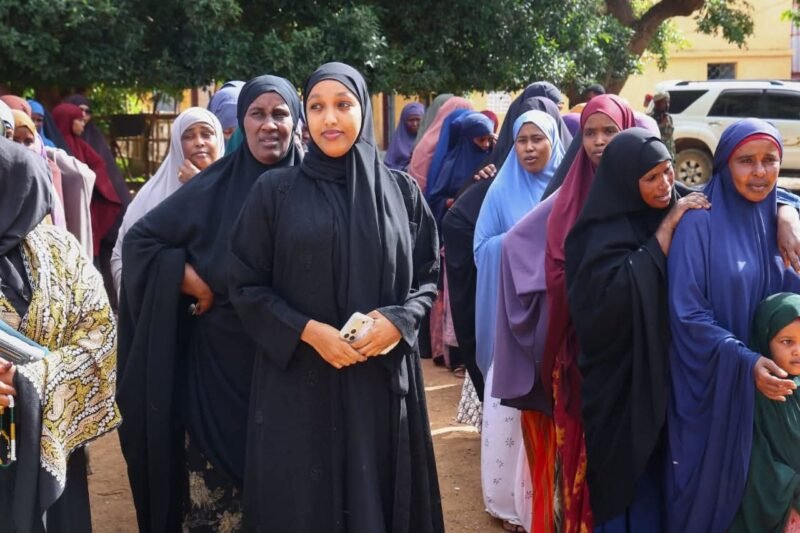
BAIDOA: Several districts in Somalia’s South West State witnessed a significant public turnout on Saturday as citizens participated in local council and parliamentary elections held in a calm and organized atmosphere. The voting reflected growing public awareness of the importance of political participation and democratic governance. Various segments of society participated strongly in the process, including elderly men and women who turned out to cast their votes despite their advanced age, reaffirming their commitment to exercising their constitutional rights and contributing to shaping the future of their communities.
Residents lined up outside polling stations from the early hours of the morning, while electoral and security authorities implemented measures aimed at ensuring the voting process proceeded in a transparent and orderly manner. The National Independent Electoral and Boundaries Commission (NIEBC) had previously confirmed that more than 376,000 voters were registered for the elections, with 394 parliamentary candidates and 1,297 local council aspirants contesting the seats. Baydhabo district recorded the highest number of registered voters with 95,399, followed by Marka with 42,936 and Afgooye with 37,729.
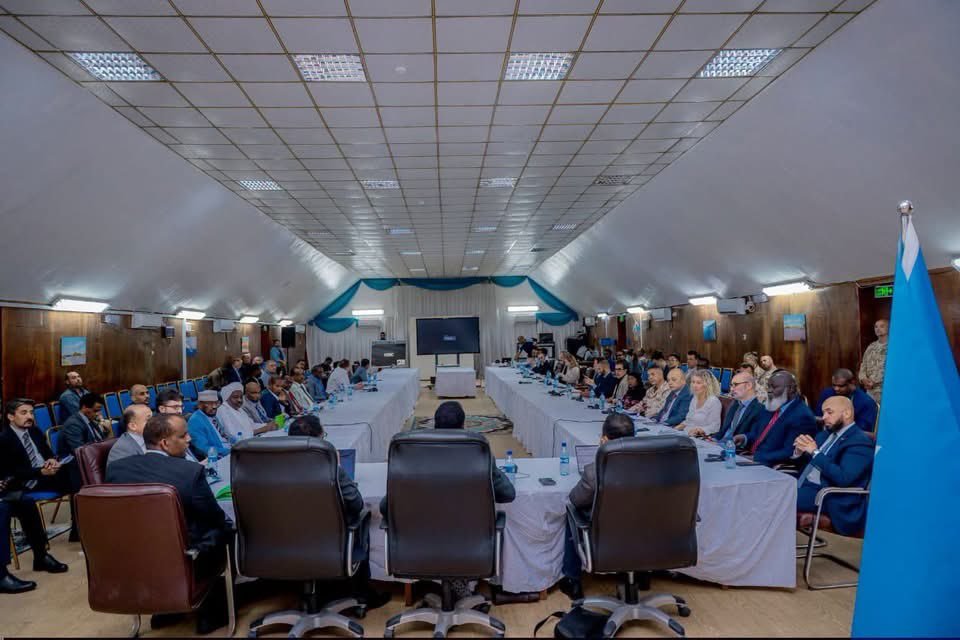
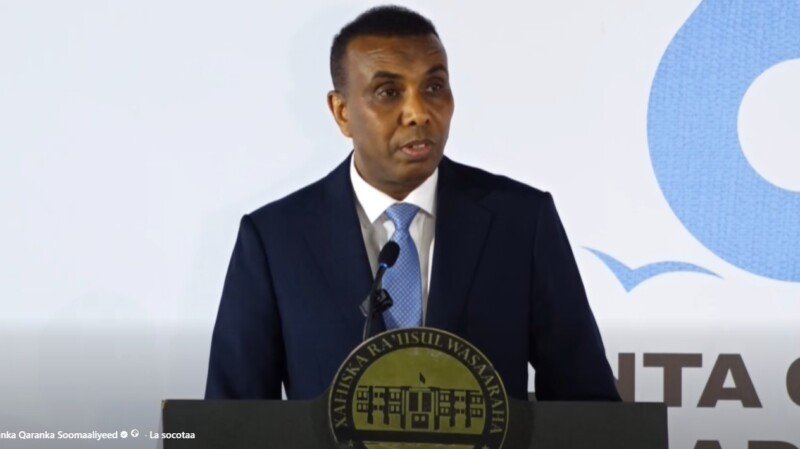
The elections form part of ongoing efforts to strengthen local governance institutions and expand public participation in South West State, contributing to broader political stability and democratic development in Somalia. The Interim Leader of South West State, H.E. Jibril Abdiraashid Haji, has repeatedly stressed the importance of conducting free and credible elections in accordance with the nation’s laws, noting that such a process would contribute to political stability and enhance public confidence. The NIEBC has reaffirmed its commitment to conducting transparent, free, and fair elections in accordance with the Constitution and national laws.
Among the registered voters, 164,716 were men (44 percent) and 211,496 were women (56 percent). The commission also documented 4,781 individuals with special needs, comprising 1.27 percent of the total registered voters. Security measures were heightened across the state, with additional personnel deployed and enhanced controls implemented to ensure a safe voting environment. The federal government enacted a nighttime curfew in Baidoa during the electoral period, prohibiting civilians from carrying weapons in the city during evening hours, with exceptions for authorized security personnel.
The elections in South West State mark a significant step in Somalia’s transition toward direct democratic participation after decades of indirect, clan‑based voting systems. Polling officials reported that voting proceeded without major incidents, and counting was expected to begin shortly after polling stations closed. The NIEBC has committed to releasing preliminary results in the coming days.
Recommended Reading on ftlsomalia.com: