MOGADISHU – Diplomatic intervention from the international community reportedly helped end intense fighting that erupted in parts of Mogadishu over the past two days, according to sources familiar with the situation.
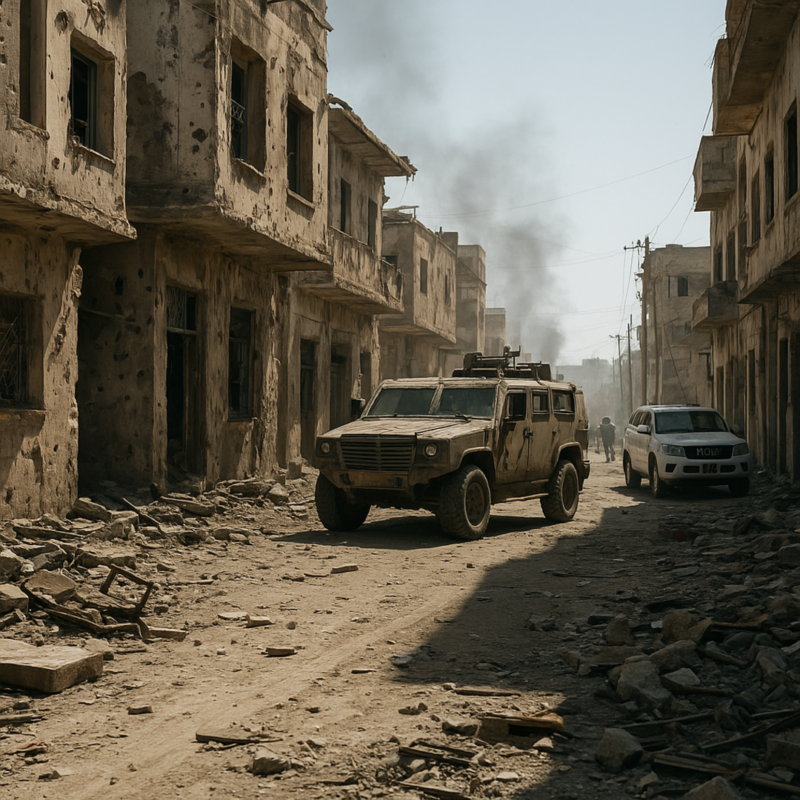
The fighting occurred in several areas of the capital, particularly around the Barmuuda neighborhood in the Hodan and Hawl-wadaag districts, where government forces and armed groups aligned with opposition figures were reported to have exchanged fire. The clashes marked one of the most serious security confrontations in Mogadishu since the political crisis over President Hassan Sheikh Mohamud’s expired mandate began.
Urgent Discussions with Federal and Opposition Leaders
Reports indicate that representatives of the international community held urgent discussions with senior officials from the Federal Government of Somalia and opposition leaders, urging both sides to immediately halt the violence and prevent further escalation.
Diplomatic sources warned that continued fighting in the capital could undermine security, threaten political stability, and negatively affect international efforts supporting Somalia’s state-building and security objectives.
International partners including the UN, African Union, EU, IGAD, the United States, and the United Kingdom have consistently urged renewed dialogue between the Somali government and opposition groups. The diplomatic push follows the collapse of US and UK mediated talks earlier this month, which ended without a breakthrough on May 15, the same day President Mohamud’s four-year term expired under the 2012 Provisional Constitution.
Three Key Messages Delivered to Both Sides
Sources indicate that the discussions centered on three key messages delivered to both sides.
The first was an immediate and comprehensive ceasefire aimed at ending armed confrontations and creating conditions for political dialogue to address disputes surrounding the country’s political transition and electoral process.
The second message reportedly warned that continued instability could affect the presence and activities of foreign embassies and international organizations in Somalia. Diplomats are said to have cautioned that a deterioration in security could force some international partners to scale back or suspend operations, potentially impacting political, economic, and security assistance.
The third point concerned accountability for violations of the ceasefire. According to the reports, international representatives warned that individuals or groups found responsible for initiating further violence could face international measures, including travel restrictions, sanctions, and other punitive actions.
International Concerns Over Escalation
The reported warnings regarding sanctions and the possible withdrawal of diplomatic and development activities underscore international concerns that political disputes could evolve into a broader security crisis in Mogadishu.
The United States delivered one of its most explicit public statements against the use of force on political protesters in Somalia, with U.S. Chargé d’Affaires Justin Davis stating that violence against peaceful demonstrators was “never acceptable” and called on Somali political leaders to engage in dialogue and compromise amid widening disagreements over the country’s electoral direction.
The United Kingdom has also voiced alarm regarding violence in Somalia’s capital, appealing to all parties to remain calm and settle their conflicts through peaceful dialogue. “We urge all parties to maintain composure and participate in broad and constructive discussions to peacefully address the tensions,” the British Embassy stated.
Temporary Ceasefire but Political Disputes Remain
While no official joint statement has been released by the parties involved, reports suggest that the intervention helped reduce tensions and contributed to the end of hostilities. If confirmed, the reported intervention highlights the continuing influence of international partners in Somalia’s political and security affairs, particularly during periods of heightened instability.
The emphasis on dialogue suggests that international actors view a negotiated political settlement as the only sustainable path forward, especially amid ongoing disagreements over elections, constitutional reforms, and political legitimacy.
Defense Minister Ahmed Moalim Fiqi previously warned opposition groups against mobilizing armed militias, saying the federal government would respond forcefully to any attempt to destabilize the country through violence. However, opposition figures have dismissed government allegations, maintaining that their actions focus on protecting constitutional principles and transparent electoral procedures.
Fragile Environment and Need for Negotiated Settlement
At the same time, the reported clashes demonstrate how fragile the current political environment remains. The involvement of armed groups linked to political actors raises concerns that political disagreements could increasingly take on a security dimension if dialogue efforts fail.
The ceasefire may provide a temporary opening for renewed negotiations, but the underlying political disputes between the Federal Government and opposition groups remain unresolved. Whether the current calm leads to meaningful political dialogue will likely determine if tensions ease or re-emerge in the coming weeks.
The Puntland administration has accused President Mohamud of unlawfully remaining in office following the expiration of his four-year term, while former president Sharif Sheikh Ahmed has warned that Mohamud is standing where his political downfall could begin. These unresolved disputes continue to loom over any temporary cessation of hostilities.
Recommended Reading On ftlsomalia.com:
- International Community Urges Renewed Dialogue Between Somali Government and Opposition Groups
- US Warns Somalia Over Use of Force Against Opposition Protesters
- Somalia Defense Minister Warns Opposition Against Armed Protests Ahead of June 4 Demonstrations
- Puntland Accuses Hassan Sheikh of Remaining in Office Illegally
- Ex-Somali Leader Sharif Sheikh Ahmed: Hassan Sheikh Stands Where Political Downfall Could Begin