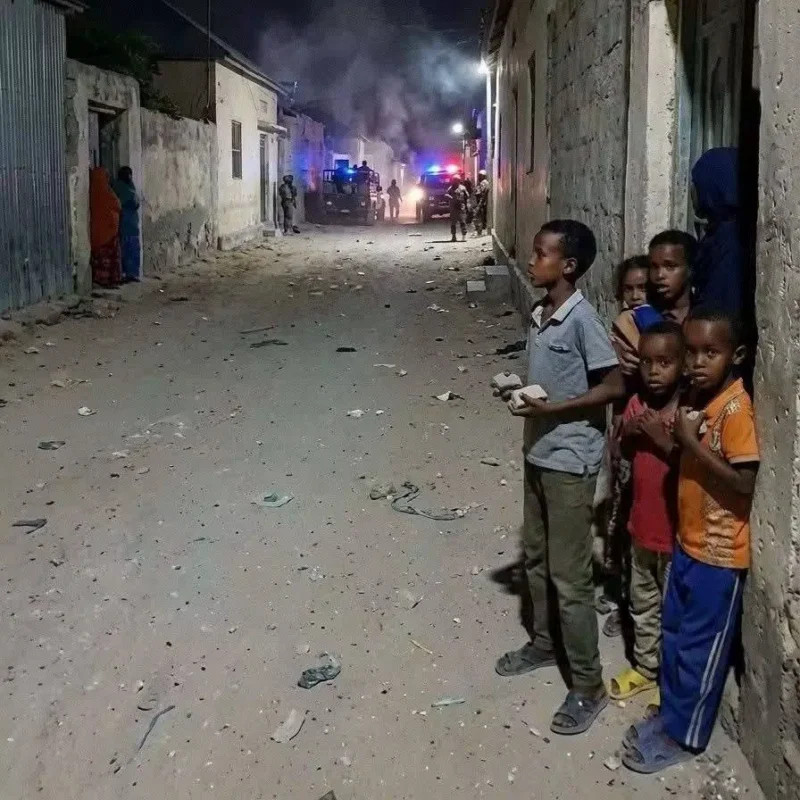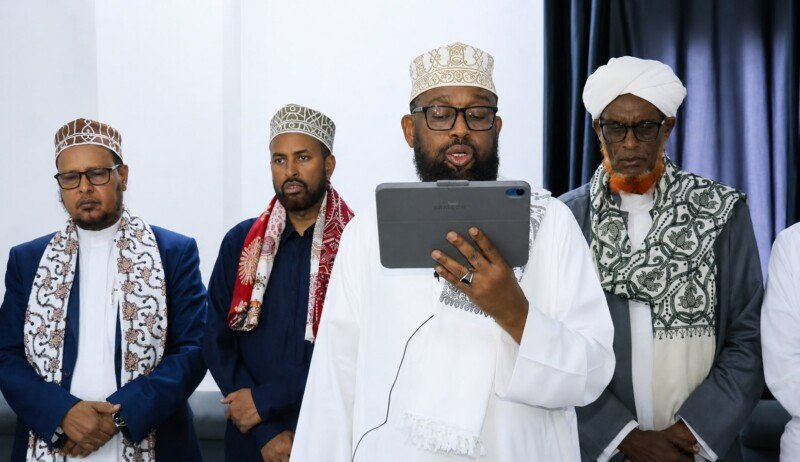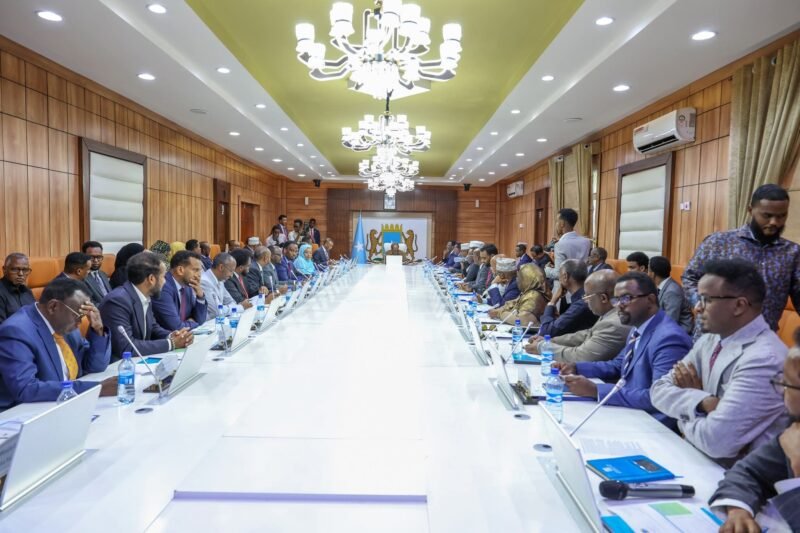
MOGADISHU: International Partners engaged in Somali affairs are set to convene a high‑level meeting in the coming days to address the country’s intensifying political crisis, following the collapse of US‑ and UK‑mediated talks between the federal government and the opposition Somali Future Council. The gathering comes as deepening divisions over electoral models, constitutional amendments, and the legitimacy of President Hassan Sheikh Mohamud’s mandate threaten to destabilize the nation.
The meeting will bring together representatives from the United Nations, the African Union, the European Union, the Intergovernmental Authority on Development (IGAD), and key bilateral partners, including the United States and the United Kingdom. According to diplomatic sources, the talks will focus on mounting tensions over electoral procedures, constitutional revisions, power‑sharing arrangements, and the overall trajectory of Somalia’s state‑building initiatives. Separate sessions are also planned with opposition leaders to explore possibilities for resuming formal dialogue.
The high‑level intervention follows three days of negotiations at Mogadishu’s heavily fortified Halane compound, which ended without a breakthrough on May 15 – the same day President Mohamud’s four‑year term expired under the 2012 Provisional Constitution. The Somali Future Council has declared that it no longer recognises the president as head of state, while President Mohamud has insisted that his term extends until May 2027 under constitutional amendments passed by parliament in March 2026. The standoff has raised concerns among international partners that prolonged political deadlock could undermine fragile security gains, distract from counter‑insurgency operations against Al‑Shabaab, and weaken state institutions.
In a statement issued after the collapse of the Halane talks, the United Nations Transition Mission in Somalia (UNTMIS) called on the federal government and opposition leaders to continue political dialogue and establish consensus on an inclusive electoral model. “The dialogue concluded without resolving key disputes,” the mission said, expressing disappointment that the meetings ended without a breakthrough. The African Union Commission also voiced deep concern, with Chairperson Moussa Faki Mahamat urging all parties to “avoid hardening their positions” and to “promptly resume inclusive and substantive negotiations.”
The European Union has maintained that inclusive dialogue remains the only viable path forward. Ambassador Francesca Di Mauro, the EU’s envoy to Somalia, has previously welcomed opposition participation in national dialogue and stressed the importance of preserving political stability. IGAD has likewise called on Somali rivals to keep election talks open, warning that prolonged political paralysis could harm regional security.
Diplomatic observers report that global community members are growing increasingly anxious that extended political disagreements could adversely affect Somalia’s delicate security conditions, especially counter‑insurgency operations against Al‑Shabaab. Concerns persist that ongoing political instability might diminish collaboration among governmental bodies and reduce international backing for Somalia at a crucial security juncture. The UN mission has also appealed for national unity to confront worsening humanitarian conditions, with more than six million people facing acute hunger and nearly half a million children suffering from severe acute malnutrition.
Analysts note that the outcome of these diplomatic initiatives could substantially shape Somalia’s political course in the coming weeks, as intensifying pressure pushes all parties toward a viable accord. The choice to engage both the federal government and opposition elements separately indicates that external stakeholders are striving to maintain communication pathways while promoting compromise without officially intervening as mediators. For now, the international community’s focus remains on preventing a further escalation of tensions and steering Somalia back toward a negotiated political settlement.
Recommended Reading on ftlsomalia.com:
- Halane Talks Collapse as Election Deadlock Deepens
- Halane Deadlock: Opposition Rejects Mohamud’s Legitimacy
- UN Urges Electoral Consensus Following Failed Talks
- President Insists Term Continues as Opposition Rejects Legitimacy
- Kenya’s Ruto Notes Somalia’s Political Uncertainty
- Opposition Council Warns of Political Crisis
- EU Welcomes Opposition Participation in Dialogue
- Nearly 500,000 Children Face Severe Malnutrition