MOGADISHU — Deputy Prime Minister Salah Ahmed Jama has officially launched the World Food Programme (WFP) Somalia Country Strategic Plan for 2026-2030, a comprehensive five-year framework aimed at strengthening food security, building resilience, and improving the livelihoods of Somali communities affected by drought, climate change, and conflict.
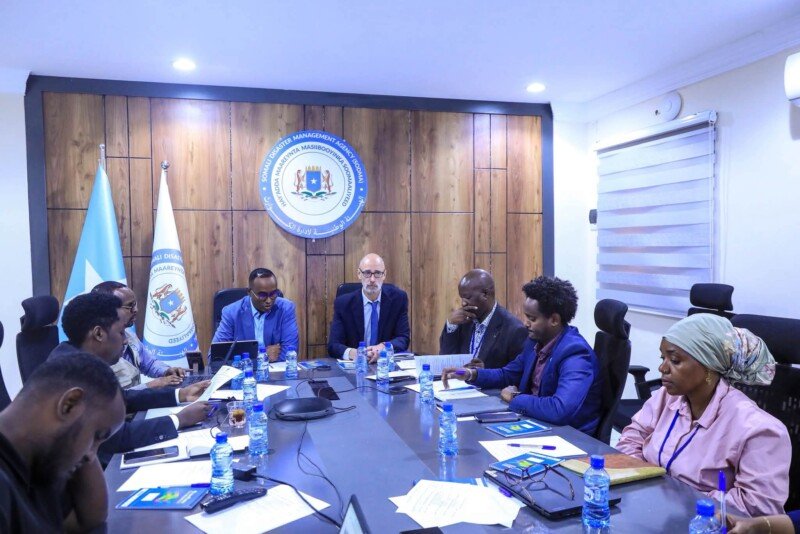
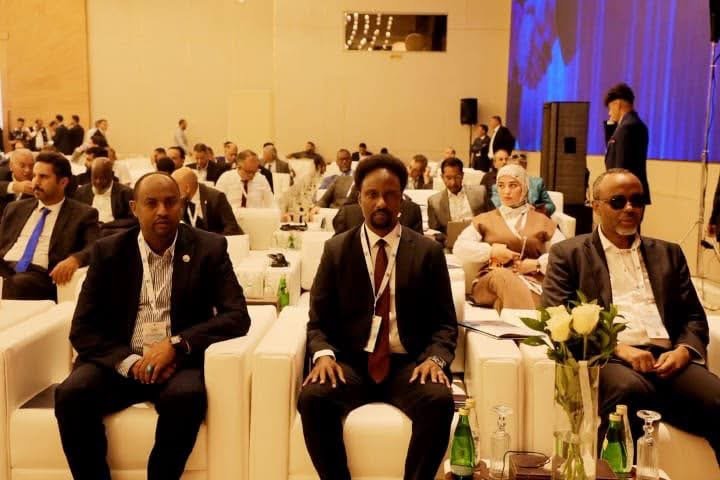
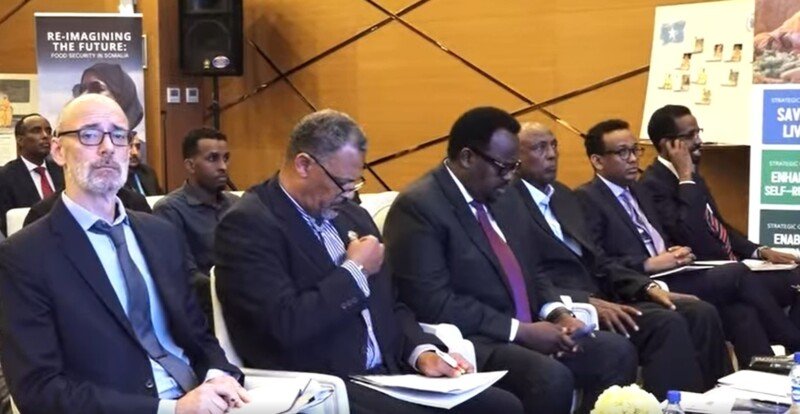
The launch event, held in Mogadishu on Tuesday, August 4, 2026, was organized by WFP and brought together senior government officials, United Nations representatives, ambassadors, members of the Somali diaspora, development partners, and civil society organizations. The new strategy focuses on strengthening food security in both rural and urban communities, promoting self-reliance among vulnerable populations, and supporting long-term resilience and sustainable livelihoods.
The WFP Somalia Country Strategic Plan 2026-2030, which was approved by the WFP Executive Board in June 2026, comes at a critical time for Somalia. At least 4.4 million Somalis are facing crisis levels or worse of acute food insecurity, a situation that is expected to persist throughout the period covered by the plan. The plan has a total cost to WFP of USD 1,536,332,106 over five years.
A Strategic Shift to Address Evolving Challenges
In response to entrenched and rising humanitarian needs, persistent conflict, recurring climate-related shocks, and a historic decline in donor resources, WFP will sharpen its focus on saving lives, prioritizing those most vulnerable to acute food and nutrition insecurity, and exploring transformative, private sector-based models aimed at arresting escalating human costs.
“Today we are here to recognise and support Somalia’s friends, especially the World Food Programme, which stood with us during difficult days, helping save Somali lives and responding to humanitarian emergencies,” Deputy Prime Minister Jama said. “This strategy was not developed in isolation. It is built on Somalia’s National Transformation Plan and reflects the real priorities of the Somali people.”
WFP will align implementation of the country strategic plan with the Federal Government’s National Transformation Plan (NTP) 2025-2029 and the United Nations Sustainable Development Cooperation Framework for Somalia 2026-2030. The strategy marks a shift from project-based interventions to integrated, people-centred programming, continuing to prioritize life-saving assistance for the most critically food-insecure communities while positioning WFP as an enabler of national systems and local actors.
Key Outcomes and Strategic Priorities
The plan proposes four interlinked country strategic plan outcomes:
- Outcome 1: Crisis-affected populations in Somalia have improved access to timely life-saving food and nutrition assistance and are enabled to better anticipate, cope with and recover from shocks during times of crisis.
- Outcome 2: Food-insecure and at-risk populations, especially women, in targeted urban, peri-urban and rural communities have improved self-reliance, adequate nutrition and resilience.
Building resilience to withstand shocks and fostering self-reliance underpin the strategy, which links immediate access to food with long-term investments in resilient food systems and diversified livelihoods, with support for nutrition-sensitive safety nets at its core.
Deputy Prime Minister Jama welcomed the plan’s emphasis on saving lives, strengthening household resilience, supporting government institutions, and improving preparedness for future crises, while expressing hope that Somalia would eventually become less dependent on humanitarian assistance. “We also hope that one day Somalia’s government and people will be able to stand on their own and no longer require this level of assistance,” he said.
Strong Partnerships and International Support
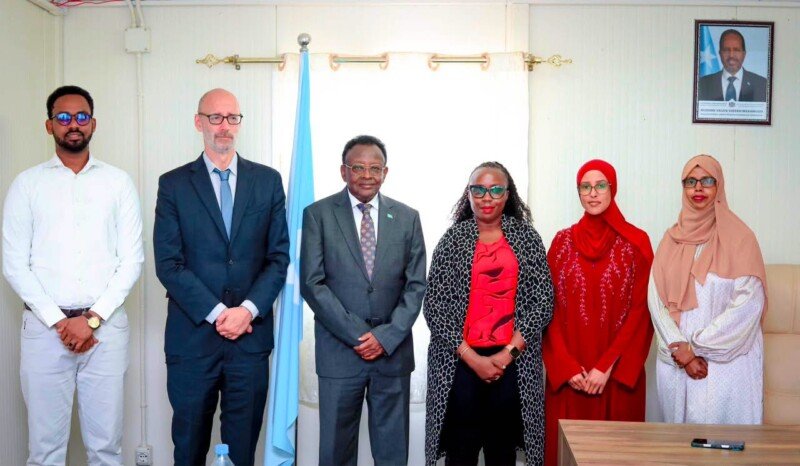
WFP Country Representative Hamid Nuru, UN Deputy Special Representative George Conway, and Jawahir Dahir, representing the Somali Diaspora Committee, commended the strong partnership between the Federal Government and WFP. They emphasized the importance of coordinated efforts to address food insecurity, revive agricultural production, and improve the living conditions of vulnerable communities.
Participants also viewed a documentary illustrating the impact of recurrent droughts on Somali families and the collaborative efforts underway to address these challenges. The Director General of the Ministry of Planning, Investment and Economic Development, Abdifatah Abdulkadir Farah (Hared), highlighted the significance of the initiative, noting that it aligns with Somalia’s National Transformation Plan and supports the country’s long-term development priorities.
Somalia and WFP have previously aligned strategies to tackle hunger and address the decline in humanitarian aid, with the government emphasizing that aligning WFP’s strategy with the National Transformation Plan ensures resources are directed where they are most needed and that development programming is sustainable.
Somalia’s Planning Minister has held talks with the WFP team to boost food security and resilience, focusing on harmonizing WFP’s Country Strategic Plan with the government’s National Transformation Plan, reinforcing national systems, and increasing resource mobilization during a period of declining global assistance.
Critical Note
While the launch of the WFP Somalia Country Strategic Plan 2026-2030 represents a significant commitment to addressing the country’s persistent food security challenges, the gap between ambitious planning and on-the-ground implementation remains a critical concern. The plan’s total cost of over $1.5 billion comes at a time of historic decline in donor resources, raising questions about whether adequate funding will materialize to support the strategy’s objectives. Furthermore, the plan’s emphasis on resilience-building and self-reliance, while laudable, requires sustained investment in institutional capacity, infrastructure, and governance reforms that have proven elusive in Somalia’s fragile context. The government’s ability to coordinate effectively with WFP and other partners to ensure that assistance reaches the most vulnerable communities will be a key test of its commitment to the plan’s goals. The international community must also step up its financial commitments to prevent a humanitarian catastrophe, while the Somali government must demonstrate that it is using existing resources effectively and addressing the underlying drivers of food insecurity, including conflict, displacement, and climate change.
Recommended Reading On ftlsomalia.com
- Somalia and WFP Align Strategies to Tackle Hunger and Aid Decline
- Somalia’s Planning Minister Holds Talks with WFP Team to Boost Food Security and Resilience
- Somalia’s Planning Ministry Reviews 2025 WFP Programs
- WFP and Somaliland Unveil Strategic Berbera Logistics Hub
- Enhancing Humanitarian Access in Somalia through Strategic Partnerships
- SoDMA and UN Bolster Joint Efforts Against Escalating Drought Emergency