MOGADISHU — President Hassan Sheikh Mohamud has reached an agreement with the leadership of the Hawadle clan on the selection of a candidate for the upcoming Hirshabelle State presidential election, according to multiple sources familiar with the talks. The deal marks a significant step in the president’s efforts to consolidate influence over regional leadership ahead of broader federal electoral negotiations.
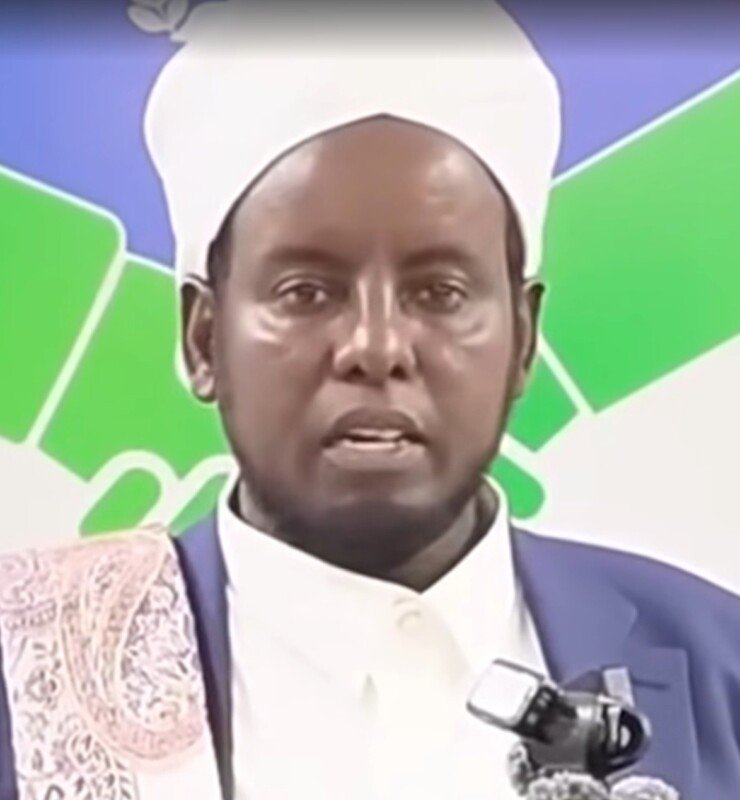
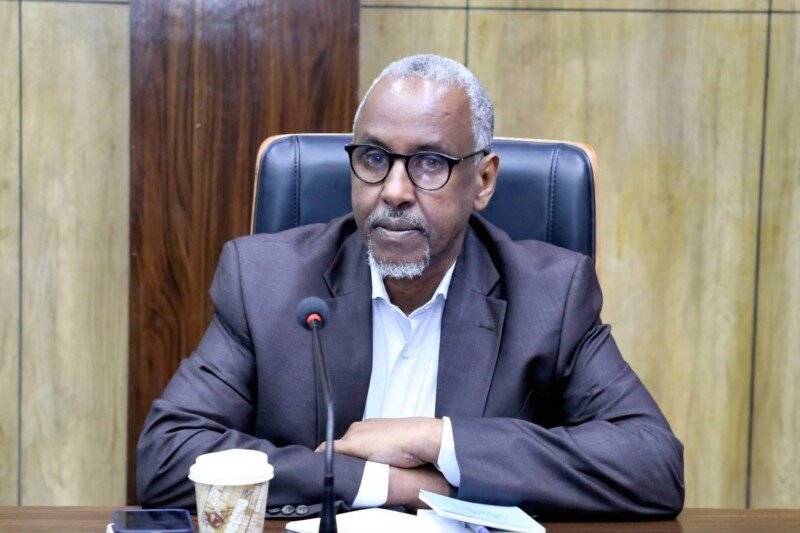
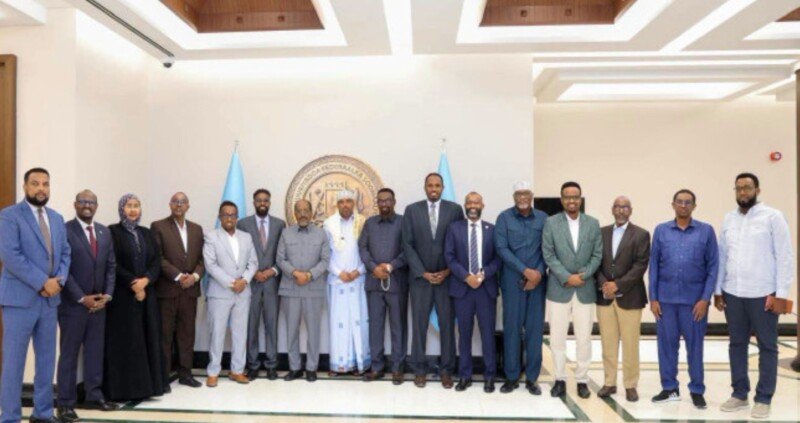
The agreement was finalised during a late-night meeting at Villa Somalia on Tuesday, August 4, 2026, between President Mohamud, Hawadle traditional leader Ugaas Yusuf Ugaas Hassan Ugaas Khaliif, and senior politicians from the Hawadle community. The discussions focused on the leadership transition in Hirshabelle State, with the Hawadle clan holding the prerogative to nominate the next president under the region’s power-sharing arrangements.
Sources confirmed hat President Mohamud had requested the Hawadle leadership to unite behind a single candidate to represent the clan in the Hirshabelle presidential race. However, the Tuesday meeting resulted in the elders and politicians agreeing to defer the final decision to the President, empowering him to determine who will be the Hawadle candidate. The move effectively gives President Mohamud decisive influence over the next Hirshabelle presidency.
President Mohamud has previously signalled his intention to secure allied leadership in regional states before engaging in broader federal electoral negotiations. The Hirshabelle agreement is part of a wider strategy to consolidate influence in Galmudug, Hirshabelle, and South West State prior to national-level talks.
The Power-Sharing Formula and Clan Dynamics
The agreement reflects the longstanding power-sharing arrangement in Hirshabelle State, under which the presidency rotates between the Hawadle and Abgal clans. The current president, Ali Abdullahi Hussein (Guudlaawe), who was elected in November 2020 and is from the Abgal clan, is expected to complete his term, paving the way for a Hawadle successor.
Since the state’s formation, Hirshabelle has had three presidents, all selected through indirect processes. Two were from the Hawadle clan, while the current president is from the Abgal clan. This rotational formula has been a source of both stability and contention, with clan leaders strongly guarding their turn at the presidency.
In July 2025, President Guudlaawe officially launched voter registration for what he declared the region’s first-ever universal suffrage local elections, marking a bold step away from Somalia’s long-standing clan-based power-sharing system. However, the presidential election is expected to remain an indirect process conducted by the regional parliament, preserving the clan-based rotation.
The Role of JSP and Federal Influence
The Hawadle clan’s decision to defer to President Mohamud underscores the growing influence of his Justice and Solidarity Party (JSP) in regional politics. The party has recently consolidated its grip on South West State and achieved a landslide victory in the Galmudug local council elections, positioning itself as the dominant political force in Somalia’s federal member states.
Concerns over federal interference in regional electoral processes have been mounting, with critics accusing Villa Somalia of seeking to manipulate outcomes in allied states. The Hirshabelle agreement is likely to fuel such concerns, as it places the selection of the Hawadle candidate firmly in the hands of the President.
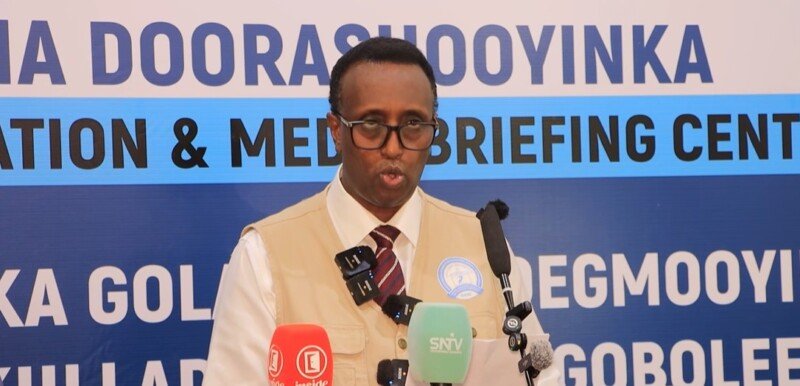
Hirshabelle’s transition to one-person, one-vote elections was formally launched in July 2025, and the National Independent Electoral and Boundaries Commission has set August 20, 2026, as polling day for local council and House of Representatives elections. The presidential election is expected to follow shortly after.
What Lies Ahead
It remains unclear who President Mohamud will select as the Hawadle candidate for the Hirshabelle presidency. The President’s choice is expected to be announced in the coming days, with the regional election process set to accelerate following the August 20 local and parliamentary polls.
The Federal Government has not issued an official statement on the agreement, and neither Villa Somalia nor the Hawadle leadership has released a formal communiqué on the outcome of the talks.
Critical Note
While the agreement between President Mohamud and the Hawadle leadership may be framed as a consensus-building exercise, it raises fundamental questions about the independence of regional electoral processes in Somalia. The decision by Hawadle elders to delegate the selection of their presidential candidate to Villa Somalia effectively hands President Mohamud veto power over who will lead Hirshabelle State. This consolidation of federal influence over regional leadership undermines the very principle of federalism and risks turning regional states into extensions of Mogadishu’s political machinery. The Hawadle clan’s willingness to cede this decision to the President reflects both the immense political capital of the JSP and perhaps a calculation that alignment with the federal government offers the best path to power. However, the long-term consequences for democratic accountability and regional autonomy are troubling. The international community, which has invested heavily in Somalia’s federal project, must scrutinise these developments and press for transparent, inclusive processes that respect the autonomy of federal member states.
Recommended Reading On ftlsomalia.com
- President Hassan Sheikh Seeks Regional Allies Before Federal Election Talks
- Hirshabelle Election Timetable Released Amid Growing Concerns over Federal Interference
- Hirshabelle Cabinet Discusses Elections, Security, and Flood Risks
- Federal Government Rejects South West State Election as an “Illegal Pseudo-Election”
- President Mohamud Arrives in Hirshabelle to Mobilize Operations Against Al-Shabaab
- Hirshabelle President Visits Frontlines in Operations Against Al-Shabaab