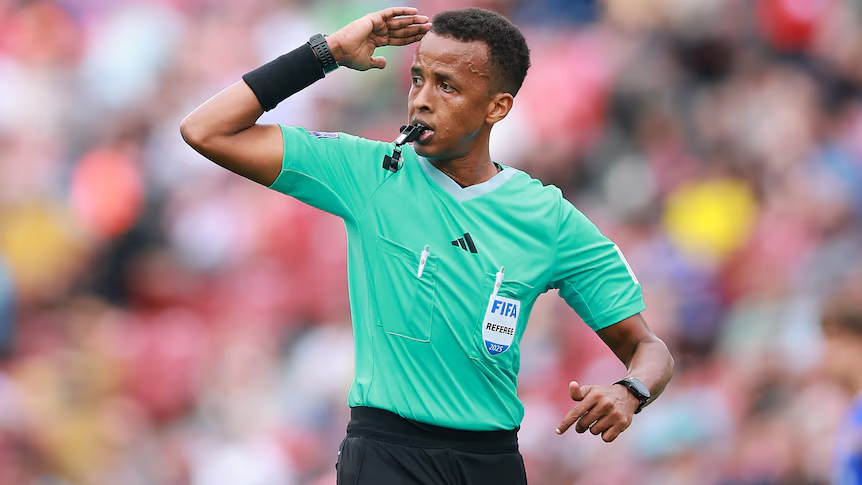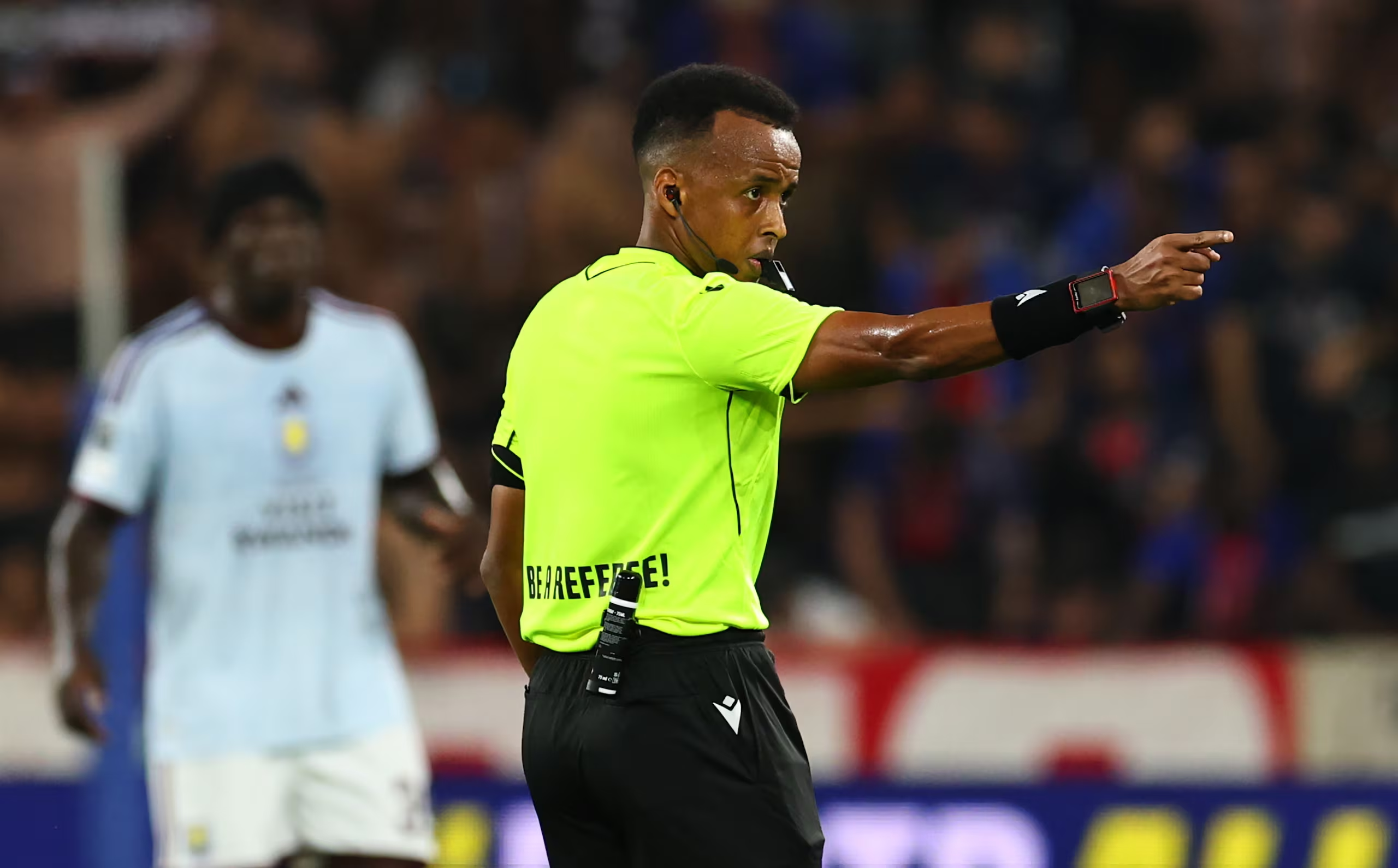
SALZBURG — Somali referee Omar Abdulkadir Artan has made history by officiating the UEFA Super Cup final between Paris Saint-Germain and Aston Villa in Salzburg, Austria, on August 13, 2026, just two months after being denied entry to the United States for the FIFA World Cup .
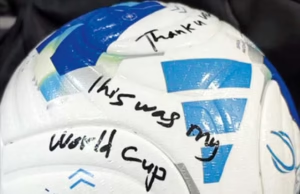
After the match, Artan wrote on the commemorative match ball: “This was my World Cup.” He described the experience as life-changing, saying, “Today’s match has made my life better” .
Artan, 34, was born in Mogadishu in 1992 during the height of Somalia’s civil war. He lost his father at an early age and found work officiating local league matches and school tournaments in Mogadishu. He became a FIFA-listed referee in 2018 and was the first Somali to officiate at the Africa Cup of Nations in 2024 . He was named CAF Men’s Referee of the Year in 2025 after officiating the CAF Champions League final and the Chile U-20 World Cup .
President Hassan Sheikh Mohamud hosted Artan at the Presidential Palace to recognise his achievement, noting that it brings pride and acclaim to the Somali people .
World Cup Dream Denied
Artan was scheduled to officiate at the 2026 FIFA World Cup. Having obtained a diplomatic passport and visa, he arrived at Miami International Airport in June ahead of the tournament. However, under the Trump administration’s tightened immigration policies, U.S. authorities blocked his entry, citing “circumstances suggesting links to terrorist organizations.” With FIFA stating it “does not interfere in the visa screening procedures of host countries,” Artan had to return to Somalia .
The Somali Ministry of Foreign Affairs expressed deep regret over the decision, describing Artan as a source of immense national pride. The Ministry revealed that it had engaged in diplomatic efforts with U.S. authorities to secure Artan’s entry, but these initiatives proved futile .
FIFA has been criticised for its hollow words on the matter. When President Trump first implemented a travel ban on seven majority-Muslim countries including Somalia in 2017, FIFA President Gianni Infantino suggested such a move could invalidate a country’s World Cup hosting rights. Those words now seem hollow, as a FIFA referee was refused entry to officiate at the tournament .
FIFA has agreed to pay Artan his full World Cup officiating fee despite his absence from the tournament. The case drew broad attention in Somalia, where Artan’s rise has become a point of national pride .
UEFA Super Cup Appointment: A Historic Turnaround
In a significant boost to his international profile, UEFA appointed Artan to referee the UEFA Super Cup final. UEFA President Aleksander Čeferin said: “Football was created to connect people,” and added, “UEFA expresses respect for Artan, who possesses outstanding skills” . The appointment made him the first non-European to hold this position .
In the Super Cup final, Artan demonstrated clean officiating, including correcting a wrong offside call by an assistant referee regarding PSG’s Désiré Doué’s winning goal through video review .
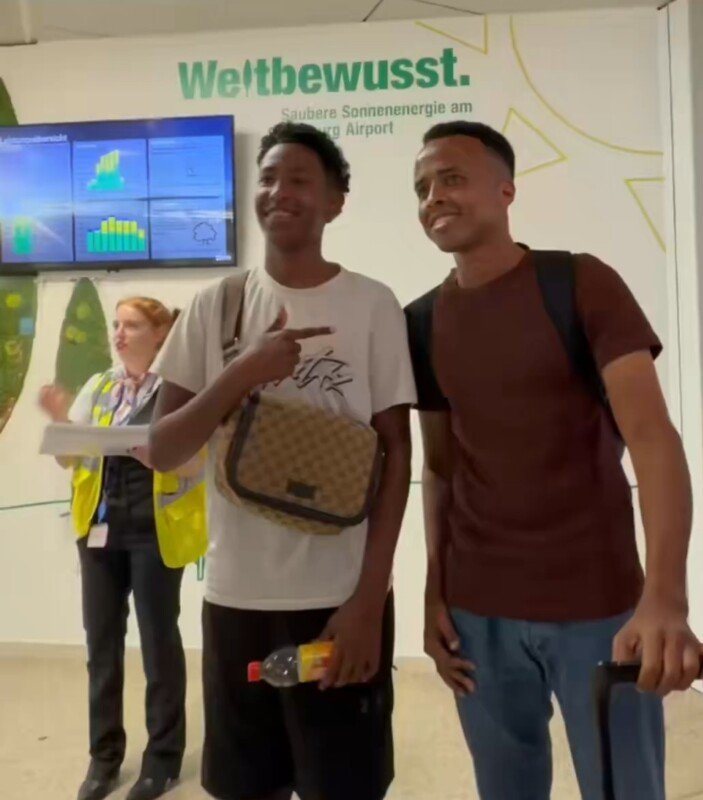
Upon his return to Somalia, Artan received a warm welcome from government officials, football federation representatives, and hundreds of cheering supporters. The Ministry of Foreign Affairs confirmed that Artan would continue to carry out his national and international responsibilities with the same dedication and professionalism that have defined his career .
The rejection of Artan must be viewed against the backdrop of President Donald Trump’s derogatory comments about Somalia and its people. In December 2025, Trump stated: “With Somalia, which is barely a country, you know, they have no anything. They just run around killing each other. There’s no structure.” In June 2025, Trump placed a full entry ban covering 12 countries, including Somalia .
Critical Note
Omar Artan’s journey from the streets of Mogadishu to the UEFA Super Cup is a remarkable story of resilience and talent overcoming extraordinary obstacles. His appointment by UEFA represents a powerful rebuke to the discriminatory policies that denied him a place at the World Cup. However, the incident also highlights the persistent challenges faced by African professionals in accessing global platforms, even when they have earned their place through merit.
The diplomatic incident, which involved Artan being barred despite holding a valid visa and a diplomatic passport, raises serious questions about the fairness and consistency of international travel policies. While UEFA’s decision to appoint him to the Super Cup was a commendable gesture of solidarity, it does not erase the disappointment of missing out on the World Cup. Artan’s story is one of triumph over adversity, but it also underscores the need for greater equity and respect for African talent on the global stage. The Somali government and the wider football community should continue to advocate for the fair treatment of their officials and ensure that such incidents are not repeated.