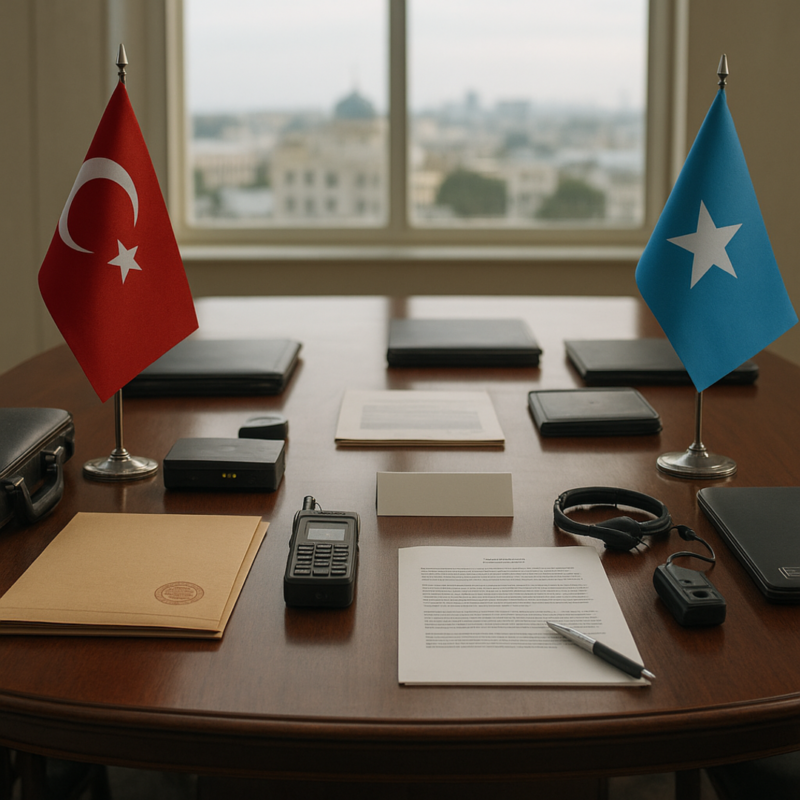
MOGADISHU – Turkey has increased its diplomatic efforts to alleviate Somalia’s growing political tensions, as a Turkish delegation has conducted separate meetings in Mogadishu with federal government officials and opposition leaders following recent clashes in the capital.
The delegation, reported to consist of diplomats and security officials, forms part of Ankara’s initiatives to foster dialogue between Somalia’s federal government and opposition politicians embroiled in disagreements about electoral arrangements, constitutional reforms, and the nation’s political trajectory.
Unconfirmed reports from sources at Mogadishu’s Aden Adde International Airport previously suggested that the Head of Turkey’s National Intelligence Organization (MIT) arrived in the Somali capital on the morning of Thursday, June 4. The reports, which remain unverified by official sources on either side, fueled speculation about Ankara’s eagerness to broker a ceasefire between the federal government and opposition forces.
MIT Personnel Involved in Talks
Diplomatic sources with knowledge of the discussions indicated that Turkey’s National Intelligence Organization (MIT) personnel participated in the talks, though neither the Turkish government nor Somali officials have publicly verified the delegation’s composition or the specifics of the meetings.
These mediation efforts follow armed confrontations between government forces and combatants linked to opposition figures, including former President Sharif Sheikh Ahmed and former Prime Minister Hassan Ali Khaire, which heightened concerns about a potential wider political crisis in Mogadishu.
The severe political crisis escalated after hours of heavy fighting around the Mogadishu residences of former prime minister Hassan Ali Khaire and former president Sharif Sheikh Ahmed, sparking fears of wider conflict. Defense Minister Ahmed Moalim Fiqi accused the opposition figures of orchestrating an armed coup attempt.
Turkish Officials Meet with Former President Sharif
Sources involved in the negotiations revealed that Turkish officials have additionally met with Sharif Sheikh Ahmed at his residence in the capital as part of attempts to mitigate tensions and promote direct political discussions between the opposing parties.
Turkey has stepped into a mediation role in Somalia’s political crisis, with preliminary meetings expected to discuss the country’s political disputes. The reported MIT visit signaled that Ankara is bypassing formal diplomatic channels in favor of direct, discreet engagement with political and military actors.
Turkey’s Expanding Influence in Somalia
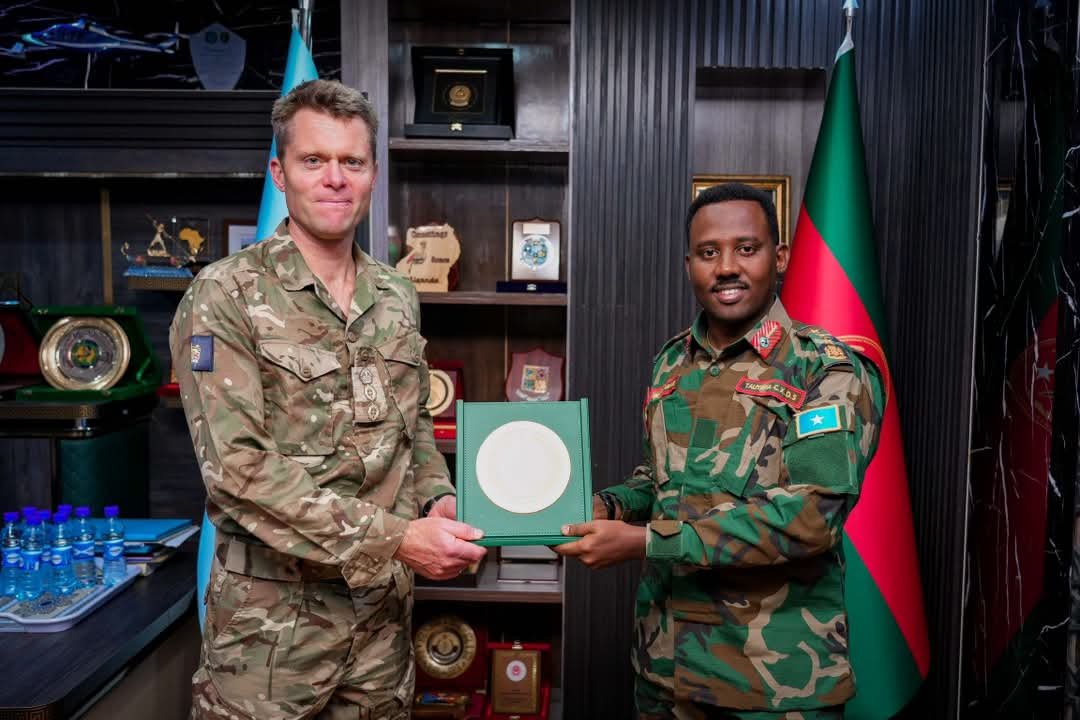
Recent developments highlight Turkey’s expanding influence in Somalia, where it has emerged as one of the nation’s most significant international partners during the past decade. Ankara has substantially invested in infrastructure, humanitarian aid, and state-building programs, while maintaining a prominent role in training Somali security forces and assisting counterinsurgency operations against Al-Shabaab.
Turkey’s enduring relationships with both the federal government and multiple political actors may position it uniquely to facilitate dialogue as Somalia confronts one of its most substantial political challenges since the electoral crisis of 2021.
Puntland leader Said Abdullahi Deni has accused President Mohamud of breaking the country apart, stating that the federal government’s actions have systematically dismantled the federal system. The political fragmentation has created space for external mediators like Turkey to play a more prominent role.
International Community Appeals for Dialogue
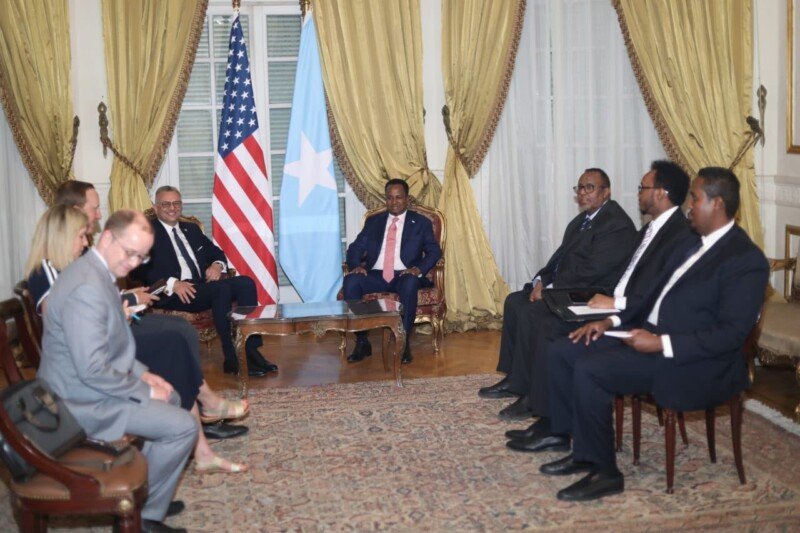
The recent instability has attracted attention from the United Nations, the African Union, IGAD, the United States, the United Kingdom, and other international partners, all of whom have appealed to Somali leaders to resolve their disagreements through dialogue and refrain from actions that might compromise the nation’s precarious security advancements.
International partners including the UN, African Union, EU, IGAD, the United States, and the United Kingdom have urged renewed dialogue between the Somali government and opposition groups. The United States delivered one of its most explicit public statements against the use of force on political protesters in Somalia.
Tensions Reduced But Fundamental Disagreements Remain
Although no official breakthrough has been declared, political sources indicate that the Turkish-initiated communications have contributed to reduced tensions in Mogadishu, which stayed mostly calm on Friday following days of uncertainty. Political analysts caution, however, that the fundamental disagreements concerning elections, constitutional amendments, and power-sharing distributions persist unresolved, rendering the upcoming days pivotal for Somalia’s political stability.
The Federal Government of Somalia extended its mandate for one year under the newly adopted constitution, a move that opposition figures and several federal member states have rejected as lacking national consensus.
The opposition’s core demands include immediate agreement on an electoral framework, a peaceful transition plan, and a viable route to free, fair, and inclusive elections. With both opposition leaders now returned to their homes following mediation, attention turns to whether this relative calm will translate into meaningful political dialogue or whether Mogadishu will once again descend into the cycle of term disputes and electoral violence that has characterized Somali politics for years.
Recommended Reading On ftlsomalia.com:
- Turkey Moves to Fill Diplomatic Vacuum Amid Rumors of MIT Chief Visit, But ORSAM Study Questions Ankara’s Neutrality
- Somali Minister Accuses Former Leaders of Coup Attempt After Mogadishu Clashes
- Turkey Joins Mediation Efforts as Former President’s Move Away from Marinayo Signals Potential De-escalation
- International Community Urges Renewed Dialogue Between Somali Government and Opposition Groups
- Somalia Government Extends Mandate for One Year Under New Constitution
- Opposition Warns Against ‘Red Lines’ on Term Extension and Disputed Elections
- Deni Accuses Hassan Sheikh of ‘Breaking the Country Apart’ as Puntland Leader Departs Mogadishu