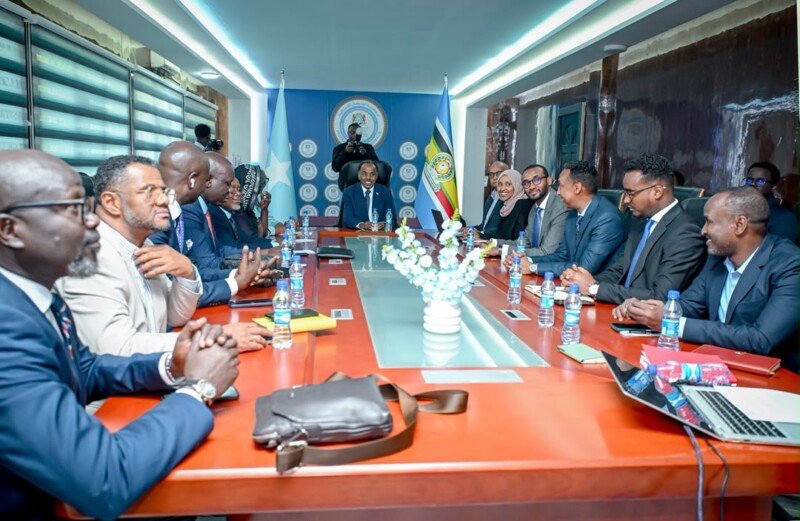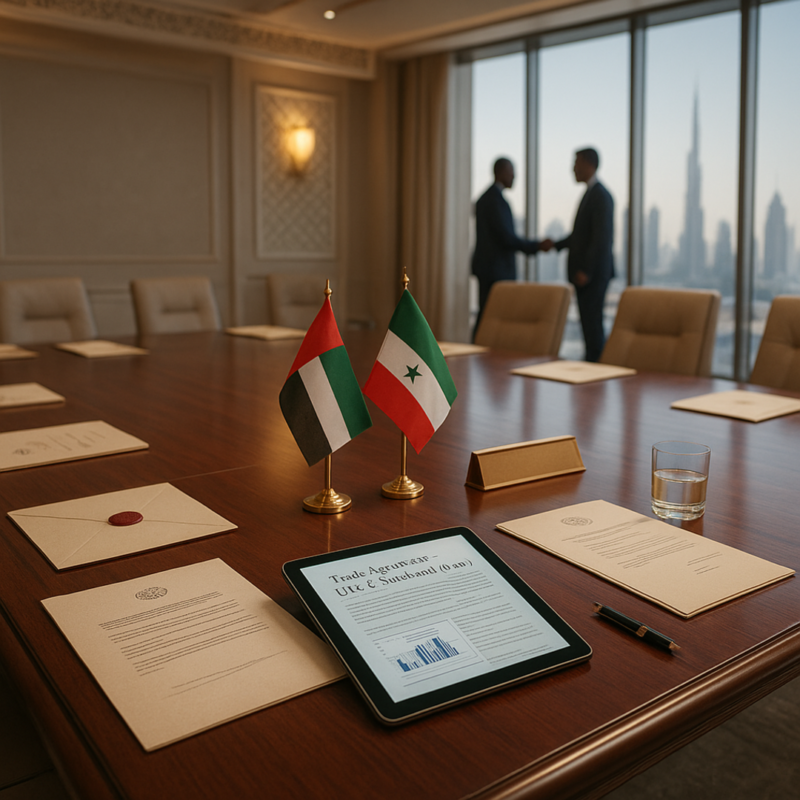
DUBAI – The United Arab Emirates government has officially welcomed Somaliland President Abdirahman Mohamed Abdullahi Irro and accompanying officials for a working visit to Dubai, extending elevated protocol arrangements during their stay. Reports indicate the visiting delegation has been hosted at a distinguished government guest facility, a reception that officials note demonstrates the significance and diplomatic importance of the occasion.
President Irro’s working visit to the UAE comes at a time of sharply strained relations between Abu Dhabi and the Federal Government of Somalia. The discussions are anticipated to concentrate on enhancing bilateral connections and broadening collaborative efforts, with particular emphasis on trade, investment, and developmental initiatives. The Somaliland President is heading the delegation, though no specific information has been disclosed about any ratified agreements or concrete results from the meetings.
A Framework of “Operational Diplomacy”
The substantial reception denotes sustained unofficial yet purposeful interaction between the UAE and Somaliland, which has self-governed for over three decades but remains internationally unrecognized. Extending such distinguished treatment to the visiting party suggests the UAE’s commitment to maintaining robust working relationships without modifying its formal diplomatic stance. President Irro’s previous October 2025 visit included participation in the Africa Debate Conference in Dubai and meetings with Somaliland business leaders focused on scaling up key sectors such as energy, logistics, and infrastructure. Discussions during that visit touched on cooperation in trade, security, and regional connectivity.
Economic Ties and Strategic Investments
For Somaliland, these diplomatic missions hold substantial political worth, bolstering assertions of sovereign-like status and augmenting international partnerships. UAE-based logistics giant DP World has invested approximately $442 million in the development of the Port of Berbera, a project central to Somaliland’s economic roadmap. DP World has confirmed that its operations at the Berbera Port will continue under existing agreements, defying the Somali government’s move to nullify all pacts with the UAE. The company has also unveiled a new maritime corridor connecting the UAE’s Jebel Ali Port with Berbera, positioning the port as a central gateway for regional commerce. The UAE remains a key trade partner and source of investment for Somaliland, particularly in infrastructure, aviation, and maritime development.
President Irro has previously toured the Dubai Port of Deira Al Hamra, a significant hub for Somaliland’s import and export activities, underscoring ongoing efforts to boost economic partnerships. These visits also demonstrate Somaliland’s proactive approach to fostering international partnerships, including future investments in renewable energy, agriculture, and ports.
Regional Geopolitical Context
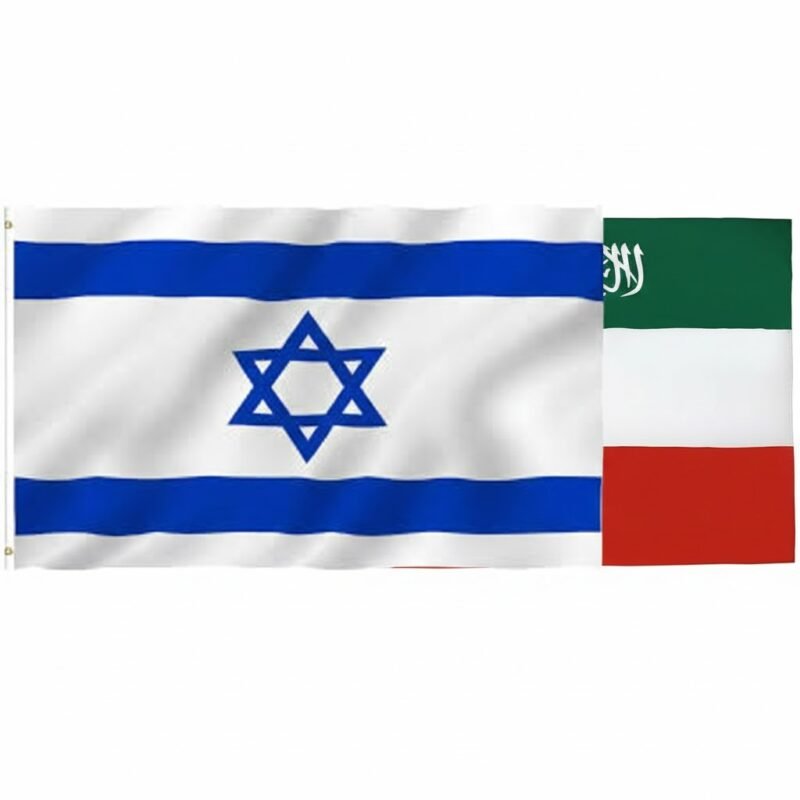
The UAE’s engagement with Somaliland follows a pattern of multi-layered relationships with both Somalia’s federal government and its regions. However, tensions have escalated dramatically. On January 12, 2026, Somalia’s Council of Ministers announced the termination of all bilateral agreements with the UAE, nullifying defense, security, and port cooperation pacts, citing “strong evidence” of actions detrimental to Somalia’s national unity. The current crisis was further ignited on December 26, 2025, when Israel became the first UN member state to officially recognize the Republic of Somaliland as a sovereign state. Although the UAE formally rejected Israel’s move during an emergency Arab League summit, Somali officials remain deeply skeptical, pointing to the UAE’s long-term investment in the Port of Berbera and political ties with Hargeisa.
From the UAE’s perspective, this engagement embodies a practical regional strategy, giving precedence to economic and security considerations in the Horn of Africa above formal diplomatic ties. This methodology permits operational freedom without provoking Somalia, which maintains territorial claims over Somaliland. In essence, the visit exemplifies a framework of “operational diplomacy,” where mutual benefits develop through established practices and formal courtesies despite the lack of official recognition. For Somaliland, this ongoing relationship with the UAE demonstrates that substantive partnerships can be cultivated even in the absence of formal diplomatic recognition, gradually expanding the territory’s international profile through pragmatic engagement rather than symbolic endorsement.