MOGADISHU – At least four vessels have been targeted off Somalia’s coast within two weeks in what analysts fear is the most significant resurgence of maritime hijackings since an international naval coalition suppressed the threat over a decade ago. The United Kingdom Maritime Trade Operations (UKMTO) has raised the piracy threat level along the Somali coast to “substantial” and warned vessels to “transit with caution”.
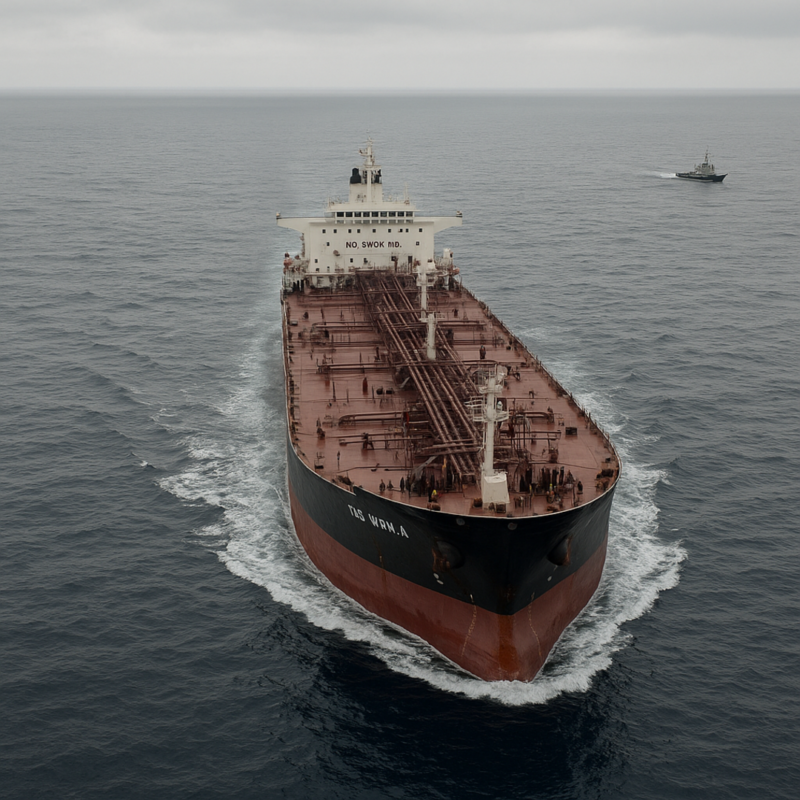
The timeline of incidents began April 20, when the European Union Naval Force (EUNAVFOR) was alerted by the Puntland Maritime Police Force (PMPF) to the hijacking of a fishing vessel, Alkhary 2. Media reports said the Somali-flagged vessel was later released, with all crew members reported safe. The next day, on April 21, EUNAVFOR reported a second seizure: the oil tanker Honour 25.
The string of attacks continued. On April 26, the merchant vessel Sward was hijacked approximately six nautical miles northeast of the coastal town of Garacad, within the semi-autonomous Puntland state. Most recently, Yemen’s coast guard said unidentified attackers hijacked the oil tanker EUREKA off the coast of Shabwa province on Saturday and steered it toward Somalia.
The recent string of high-seas incidents have fueled comparisons to the 2008-2011 piracy crisis, which cost the global economy an estimated $18 billion annually at its peak. The European Union Naval Force confirmed that three separate maritime attacks were recorded during the final weeks of April. The PMPF reported that the Pirate Action Group remains on board Honour 25, the tanker seized April 21.
The MV Sward, a cement carrier flying the flag of St Kitts and Nevis, was taken by a group of armed men while en route from Egypt to Kenya’s Mombasa. Officials said nine armed pirates were on board. The vessel’s 15-person crew comprised two Indian nationals and 13 Syrians.
The seizure of the MV EUREKA, a Togo-flagged oil products tanker, marked the fourth confirmed hijacking. Attackers boarded the vessel off Yemen’s coast, took control, and steered it toward the Gulf of Aden in the direction of Somali waters. Yemen’s coast guard said the location of the tanker had been determined and that recovery efforts were under way.
A New Kind of Pirate
The threat is not merely historical; it is also evolving. Security officials say the MV Sward seizure was the work of a new group of “opportunistic criminals” operating from the port town of Garacad. The group is mostly formed of “rural youth” from an area “awash with weapons,” motivated by poverty and anger over illegal fishing by foreign vessels. “Nearly everyone in this region is poor and nearly everyone is armed,” an official said. “Illegal fishing, especially from the trawlers, is making things worse”.
A previously unseen pirate faction has now been linked to the attacks, according to multiple security sources. A Puntland security official said that the group that seized the MV Sward were all from the same clan and sub-clan, a factor that complicates counter-measures. “If we strike and some of them are harmed, then it could lead to revenge killings between locals,” the official said. “That’s why negotiations are best to diffuse this kind of situation, but it also plays into the hands of the pirates”.
Puntland Clashes Escalate
Security forces in the Mudug region exchanged heavy fire with armed men in Garacad on Thursday. Lt-Col Mohamud Muse Fardaful, commander of police in Puntland’s Mudug region, accused the militia of trying to free detainees suspected of belonging to piracy networks. “Though the attackers were repelled, they caused the death of one police officer and the wounding of another,” Col Fardaful told local media. “The armed militia retreated, but the police acted in hot pursuit in a move to apprehend them and take them to court”.
Puntland President Said Abdullahi Deni instructed officers at a graduation ceremony to show no mercy to criminals, especially pirates. “Piracy destroys our image and damages our economy,” Deni said. The clashes marked the first direct confrontation between regional forces and suspected pirate networks since the recent hijackings began.
Strategic Shifts Behind the Resurgence
The sudden return of piracy is being fueled by major shifts in global naval priorities. The diversion of international anti-piracy patrols to counter Houthi rebels in the Red Sea and Bab al-Mandeb Strait since late 2023 has created a security vacuum. The recent conflict in the Middle East has exacerbated this, with naval forces further distracted by the blockade of the Strait of Hormuz.
Mohamed Mohamud Quluhiye, director of the Somali Marine and Fisheries Science Institute in Puntland, said that pirates act opportunistically. “These young guys, who on one hand claim to defend Somali waters from illegal fishing by foreign vessels, but on the other hand seize ships sailing along the country’s maritime territory, are taking advantage of the global focus on troubles in the Strait of Hormuz and Bab el-Mandeb”. The EU naval mission Operation Atalanta has said the Iran war gave piracy groups a “window of opportunity”.
Analyst Jethro Norman of the Danish Institute for International Studies argued that the international community needs to do more to prevent illegal foreign fishing in Somali waters. “Puntland has raised the alarm about illegal foreign fishing for years,” he said. “Unless the international community directly resources the Puntland institutions that police this coastline, neither the immediate threat nor the political economy sustaining it gets resolved”.
A Growing Human Toll
The spike in hijackings has escalated from a regional security alert into a humanitarian and international diplomatic crisis as the families and home nations of dozens of hostages demand action. Reports indicate the international community is not merely watching. The Indonesian government has confirmed it is intensifying efforts to secure the release of four nationals held hostage aboard the MT Honour 25. Indonesia’s foreign ministry assured that four Indonesian crew members are confirmed safe following the hijacking. Pakistan’s Foreign Office said it was coordinating closely with Somali authorities over its crew members among the 17 on the Honour 25.
“The ongoing crisis with the pirates is much worse than many realise,” a Puntland security official told international media. “There are increasing movements (of armed groups) all over the coast”.