BAIDOA — The Somali National Army has conducted a planned operation in the Bay region, targeting locations used by Khawaarij militants for shelter and coordination, according to a statement from the Ministry of Defence.
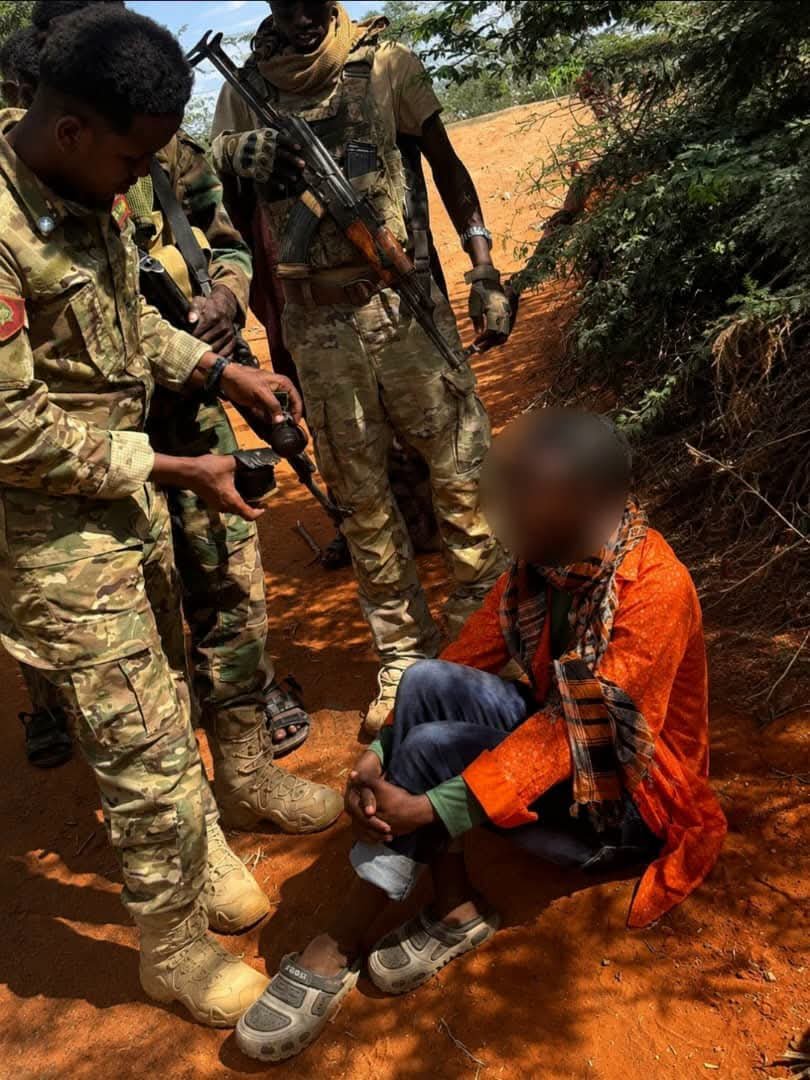
During the operation, which was carried out by the 161st Unit of the 16th Division of the Danab Commandos in the Yaaq-Doomaar area, one militant surrendered to government forces. The commandos also destroyed the targeted sites.
The operation aimed to disrupt the movements of Khawaarij militants and strengthen security in the Bay region.
Danab Operations Across the Bay Region
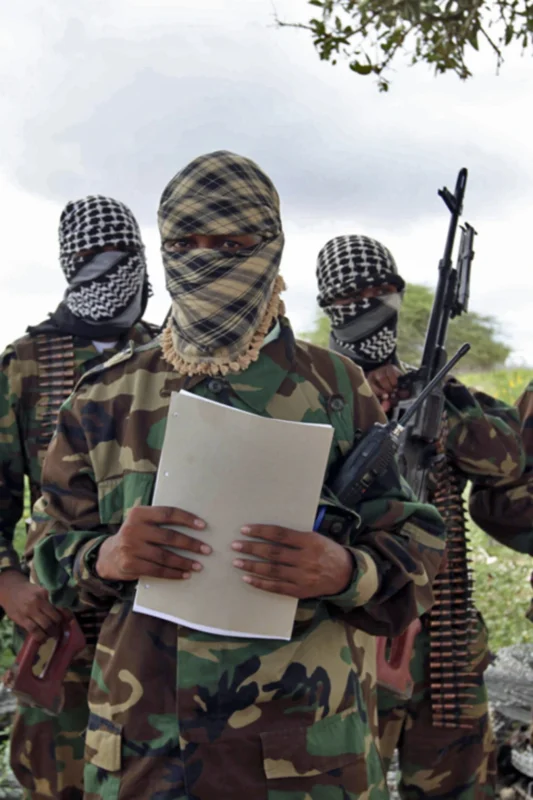
The 165th Unit of the Danab Commandos has previously executed high-intensity security operations across the Buurhakaba district in the Bay region, focusing on rural areas including Bansoole, Balow, Urka Shinbiroow, and Abowle. Intelligence indicated that Al-Shabaab militants had been actively infiltrating these zones, utilizing them as staging grounds to launch attacks against local residents and extort civilian populations .
During these clearing operations, the Danab Commandos received strong cooperation from local residents, with commanders noting that the civilian population demonstrated a renewed willingness to collaborate with advancing security forces, providing vital ground intelligence to help uproot embedded militant cells .
Somali security forces, operating in close coordination with international military partners, successfully executed targeted airstrike operations in the contested Gasarta area, strategically located between Baidoa and Dhuusamareeb in the Bay region. The precision strikes resulted in the confirmed deaths of twelve insurgent fighters, while several others sustained severe injuries .
The Danab Commandos have also conducted high-intensity operations in the Buurhakaba district of the Bay region, clearing rural strongholds and restoring the vital terrestrial road connecting Lower Shabelle and Bay regions .
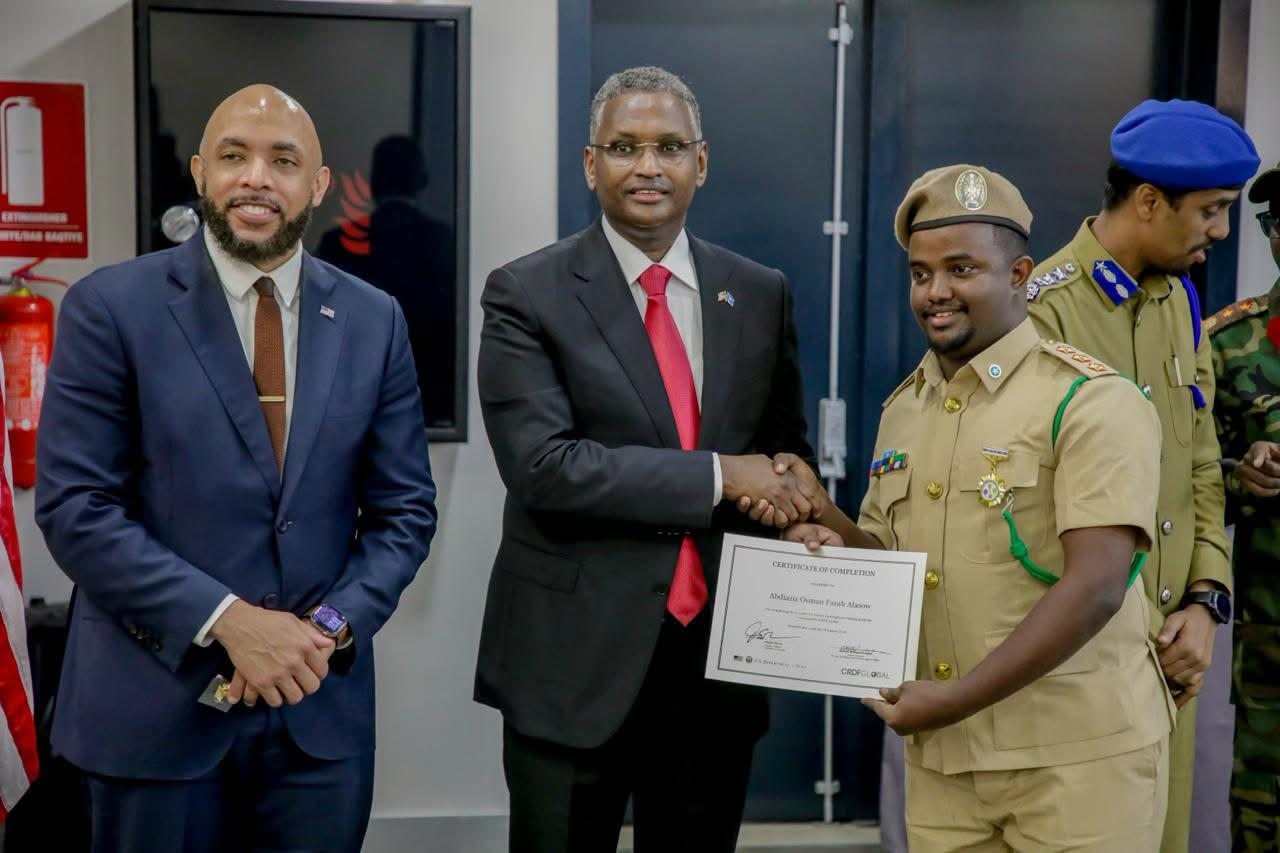
The Danab Commandos are widely regarded as Somalia’s most capable special forces unit and have been at the forefront of the country’s counter-terrorism operations against Al-Shabaab. Trained and equipped with support from the United States, the Danab have conducted numerous high-intensity raids that have significantly degraded the militant group’s operational capacity .
Context of Security Operations in Bay Region
The Bay region has been a focal point of the conflict between government forces and Al-Shabaab. In June 2026, South West State President Sheikh Aden Mohamed Nur (Madoobe) led a security meeting in Baidoa, where officials approved new steps to strengthen security, including a ban on soldiers carrying weapons without official uniforms and limits on military vehicle movements. Officials also endorsed planned operations to reopen roads connecting districts across South West State and committed to expanding security efforts in cooperation with local communities .
The Commander of the Somali National Army, Brigadier General Ibrahim Mohamed Mahmoud, arrived in Baidoa to accelerate military operations against Al-Shabaab and strengthen security across South West State . Somali National Army forces, operating with close-air and intelligence support from international partners, have eliminated Al-Shabaab militants during coordinated security operations in the region .
The 161st Unit of the 16th Division of the Danab Commandos has been actively conducting operations across southern Somalia. In May 2026, Danab Commandos freed nine civilians and killed five Al-Shabaab militants, including a local commander, during a pre-dawn operation in the Gambole district of Middle Shabelle .
Critical Note
The operation in Yaaq-Doomaar represents another tactical success for Somali forces in their ongoing campaign against Al-Shabaab. However, the surrender of one militant and the destruction of hideouts, while significant, does not address the deeper challenges facing the government’s counter-terrorism strategy.
The pattern of operations across southern and central Somalia demonstrates the breadth of the conflict but also its persistence. Al-Shabaab has repeatedly demonstrated its ability to regroup and regain territory after initial military gains. The government must ensure that military operations are accompanied by governance and service delivery in liberated areas to prevent militants from returning. Without a comprehensive approach that addresses the root causes of instability, including corruption, weak governance, and inter-clan disputes, the cycle of liberation and recapture is likely to continue.
The international community must continue to support these efforts while maintaining robust oversight to ensure that operations are conducted in accordance with international humanitarian law and that civilians are protected.