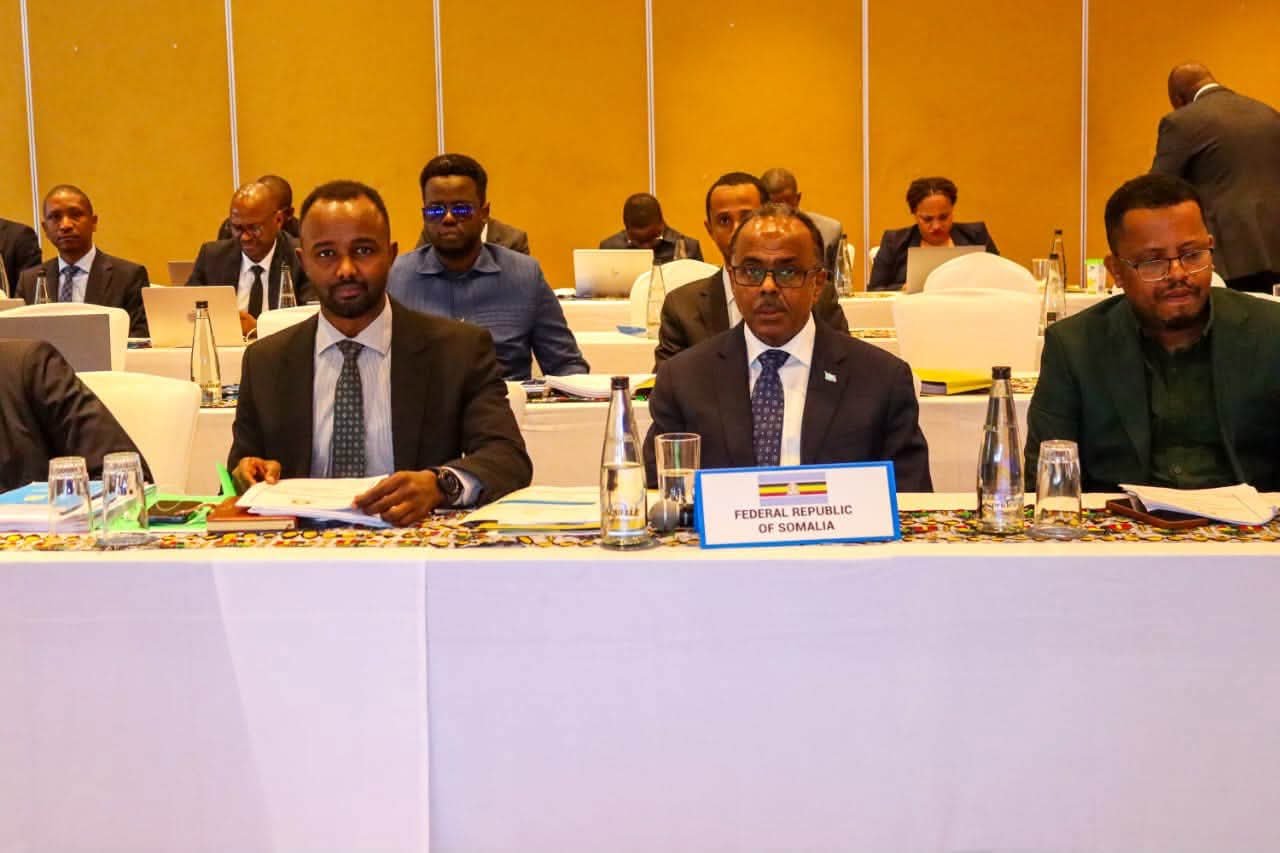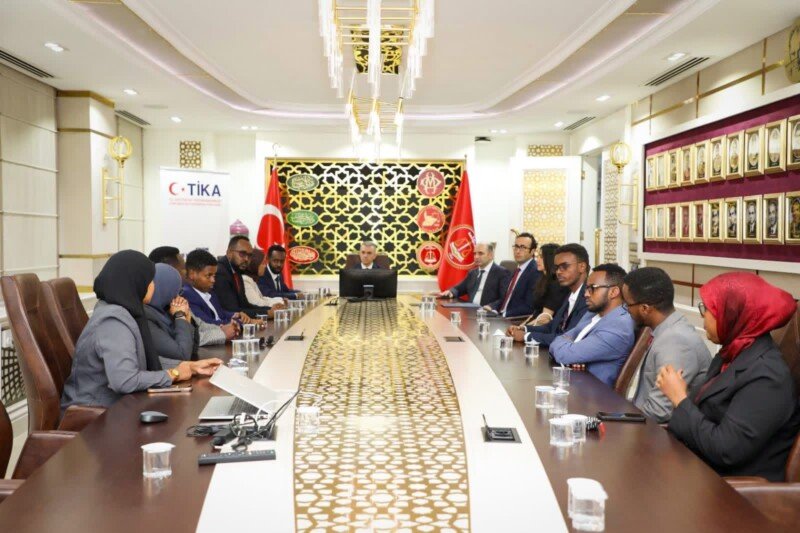
MOGADISHU — The Office of the Auditor General of Somalia (OAG) and the Turkish Court of Accounts (TCA) have concluded the third phase of implementing their cooperation agreement in Ankara, focusing on Information System Audit.
The program, which took place from August 17 to 21, 2026, was supported by the Turkish Cooperation and Coordination Agency (TİKA) and included analysis of information systems risk assessment, audit procedures, information security, data analysis, the use of Artificial Intelligence (AI) in auditing, and exchange of expertise between the two institutions.
TCA experts shared knowledge, procedures, and practical experiences related to Information System Audit with the Somali delegation, with lessons and discussions reinforced by examples drawn from audit work. The program also included a study visit to the central headquarters of HAVELSAN in Ankara, where the delegation was introduced to the company’s work and modern technologies.
The cooperation contributes to the exchange of knowledge and expertise, the development of professional capacity in Information System Audit, and the strengthening of collaboration between the two institutions. The Office of the Auditor General expressed gratitude to TCA and TİKA for their support, hospitality, and role in implementing the program.
Strengthening Audit Cooperation Between Somalia and Turkey
The Information System Audit training is part of a broader cooperation framework between the two Supreme Audit Institutions aimed at strengthening financial audit practices, enhancing accountability, and supporting good governance . In April 2026, the two institutions jointly launched a compliance audit training workshop in Ankara, bringing together audit personnel from Somalia’s federal and state-level institutions .
In January 2026, the Office of the Auditor General and the Turkish Court of Accounts concluded a one-week Financial Audit Training Programme in Ankara, attended by the President of the Turkish Court of Accounts and supported by TİKA. That program covered modern financial audit methodologies, risk-based audit planning, audit execution and reporting, and the use of digital tools and emerging technologies in audit work .
Deputy Auditor General Abdijamaal Ismail Mohamed has highlighted that such capacity-building initiatives are designed to directly enhance audit investigations and help secure public funds during the nation’s critical institutional rebuilding phase .
In July 2025, the two institutions signed a landmark Memorandum of Understanding in Ankara to formalize collaboration in the field of audit. The agreement was signed by Somalia’s Auditor General, Ahmed Isse Gutale, and the President of the Turkish Court of Accounts, Metin Yener . “This partnership reflects our shared belief that strong audit institutions are critical to accountable governance,” Gutale stated at the signing ceremony .
The Auditor General’s Role in Financial Oversight
The Office of the Auditor General has been actively engaged in ensuring financial transparency in Somalia’s public-private partnerships. The 2024 audit report found that Turkish firms running Mogadishu’s port and airport, Favori LLC and Albayrak-Somalia, had not submitted independently audited financial statements as required by their concession agreements . This left auditors unable to confirm the accuracy of the $34.26 million in concession fees that was to be paid to the federal government by both companies .
The Auditor General has pressed Favori LLC on financial transparency and contract compliance, holding meetings with representatives of the company to demand greater financial transparency and ensure that independent auditors conduct annual reviews of the company’s financial statements .
The Office of the Auditor General has demonstrated a strong commitment to accountability. In August 2025, the office released its 2024 Annual Audit Reports, completing and publishing a total of thirty-eight audit reports during that cycle — the highest number of audit deliverables issued in a single period in the institution’s history .
Critical Note
The conclusion of the Information System Audit training program in Turkey represents a significant step in strengthening the capacity of Somalia’s audit institution. The exchange of knowledge and expertise between the Office of the Auditor General and its Turkish counterpart contributes to the professional development of Somali auditors and the modernization of audit practices.
However, the sustainability of these capacity gains will depend on the government’s ability to retain trained personnel and provide them with the resources needed to apply their skills. The adoption of modern audit techniques, including data analytics and AI, requires substantial investment in technology and infrastructure that remains limited in Somalia. Without sustained commitment to institutional reform and resource allocation, the progress achieved through such training programs may be difficult to maintain.
The government must ensure that the skills acquired through this cooperation are effectively integrated into the Office’s audit practices and that the institution has the necessary independence, resources, and authority to carry out its constitutional mandate. The international community should continue to support these efforts while advocating for transparency and accountability in the management of public resources.
Recommended Reading On ftlsomalia.com
- Somali, Turkish Audit Institutions Launch Compliance Audit Training
- Somali Auditors Complete Financial Audit Training in Ankara
- Somali Auditors in Turkey Training for Better Financial Oversight
- Somalia, Türkiye Sign Landmark MoU on Public Finance Oversight
- Somalia’s Auditor General Presses Favori LLC on Financial Transparency and Contract Compliance