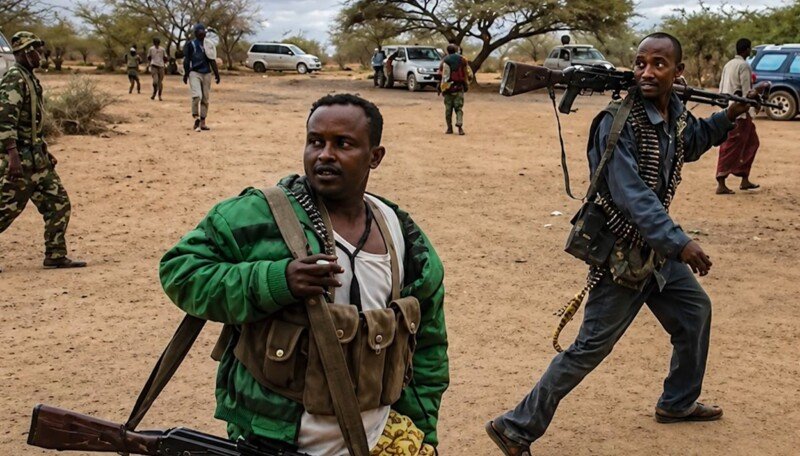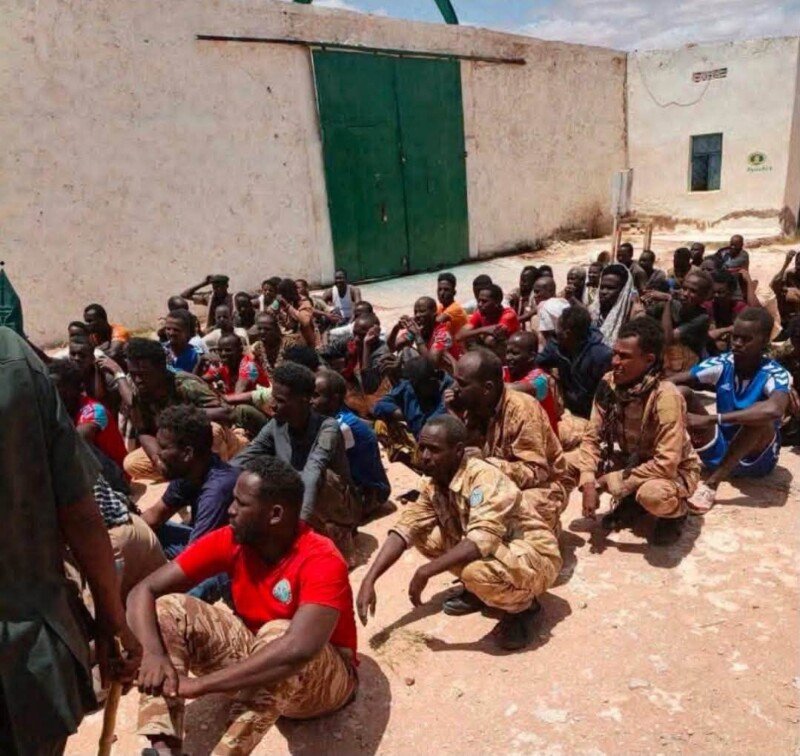
JALALAQSI – Fierce fighting between two clan militias entered its third consecutive day on Saturday in Jalalaqsi, in Somalia’s Hiiraan region, forcing most residents to flee and leaving the town largely deserted except for armed fighters exchanging heavy weapons fire.
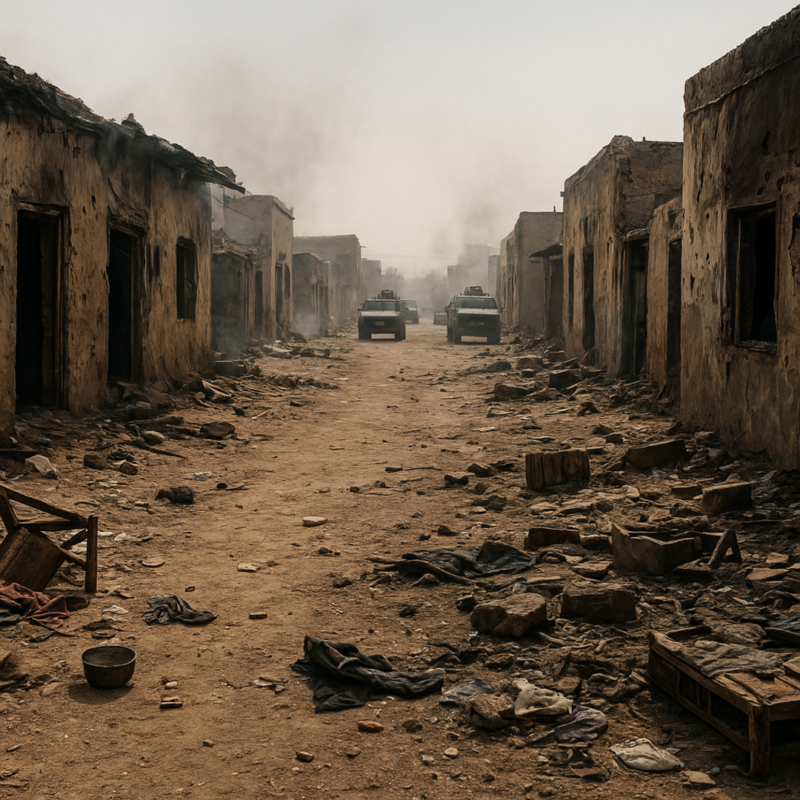
The renewed clashes have deepened the humanitarian crisis, with militias from both sides and civilians reportedly setting fire to homes belonging to people displaced by the conflict. Those involved in the destruction say the houses belong to members of the rival clan who fled the fighting.
Reports from the area say days of intense violence have emptied much of Jalalaqsi, as residents fled in search of safety while the warring sides continued battling with heavy weaponry.
The town of Jalalaqsi has faced a worsening security situation after violent clashes between two rival clan militias, with videos circulating on social media showing widespread destruction, including homes set on fire and armed militia members openly celebrating their actions[reference:0].
Calls for Peace from National Leaders
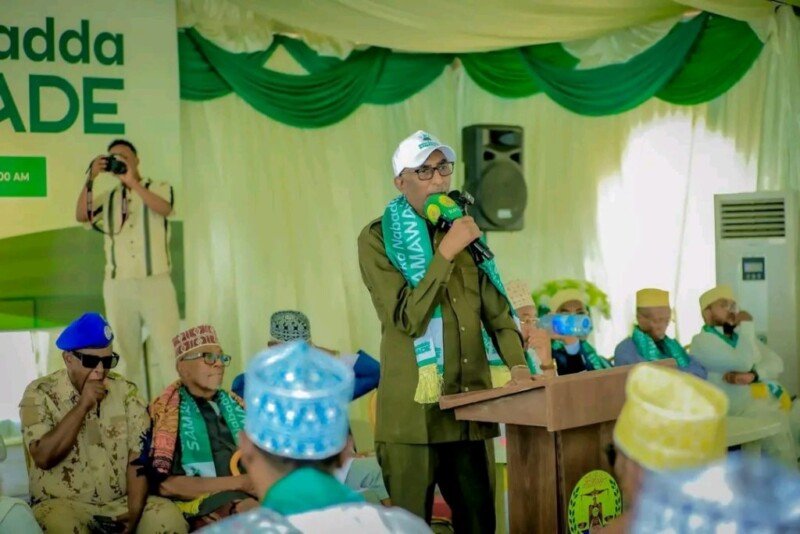
Former Somali President Sharif Sheikh Ahmed offered condolences to families who lost loved ones in the latest bloodshed. He urged both sides to accept peace, stop the hostilities immediately, and prevent further loss of life.
Somalia’s federal government and authorities in Hirshabelle State also appealed for an end to the fighting. Security forces from Hirshabelle, alongside Djiboutian peacekeepers, remain present in Jalalaqsi. However, despite calls for calm, both administrations have yet to make any tangible effort to separate the rival militias or end the clashes.
Previous Clan Clashes and Recovery Efforts
Previous clan clashes in Jalalaqsi have been triggered by the detention of community elders, with fighting breaking out between district commissioner loyalists and armed clan militias following the arrest of a traditional leader. In that incident, two individuals lost their lives and several sustained injuries before community elders intervened to mediate and prevent the conflict from spreading[reference:1].
Jalalaqsi had recently been seeing gradual recovery following military operations against Al-Shabaab and economic difficulties linked to inflation. The Independent National Electoral and Boundaries Commission had initiated a voter registration drive in the district as part of Somalia’s broader movement toward a one-person, one-vote electoral framework[reference:2]. Humanitarian agencies had also launched emergency food distribution programs aimed at easing hunger in the flood- and drought-affected district[reference:3].
However, the latest inter-clan fighting threatens to undo the limited progress made in restoring stability and development in the district. Hiiraan region has already been grappling with a dire humanitarian crisis, with over 60,000 people displaced due to intensified conflict and insecurity, driven by escalating operations against Al-Shabaab, inter-clan disputes, and retaliatory violence[reference:4].
Allegations of Local Administration Involvement
Meanwhile, reports have emerged alleging that the Jalalaqsi local administration, led by a man known as Nur Dhere, is directly involved in the conflict by supporting one of the warring sides and further fueling the inter-clan violence.
Tensions Flare After Rape Allegation
Residents contacted by local media said the tensions began two days ago after allegations that a young woman had been raped. According to local sources, videos related to the incident later circulated, raising tensions and eventually leading to direct clashes between the two clan militias[reference:5].
Although the situation is currently reported to be calm, residents remain worried that fighting could resume at any time. No visible mediation or peace efforts have yet emerged to address the underlying dispute and prevent further violence[reference:6].
Way Forward
The violence in Jalalaqsi underscores the persistent fragility of security in parts of Hiiraan, where inter-clan disputes, militant activity, and weak state presence continue to threaten the safety of civilians and undermine efforts at recovery and development. Without swift mediation and a concerted push for accountability, the recent clashes risk igniting a broader cycle of retaliation that could further destabilize the region[reference:7].
Recommended Reading On ftlsomalia.com:
- Clashes in Jalalaqsi Leave Homes Burned
- Central Somalia Clan Fighting Leaves Casualties After Elder Detention
- Crisis in Hiiraan as Over 60,000 Displaced as Conflict Sparks Urgent Humanitarian Emergency
- Somalia Launches Major Food Relief Drive in Jalalaqsi and Balcad
- INEBC Commences Voter Registration in Jalalaqsi