BOORAMA — The Somaliland administration has announced a peace agreement to end months of inter-clan conflict in the western regions of Awdal and Salal, following a three-day reconciliation conference in the Geerisa area of the Awdal region.
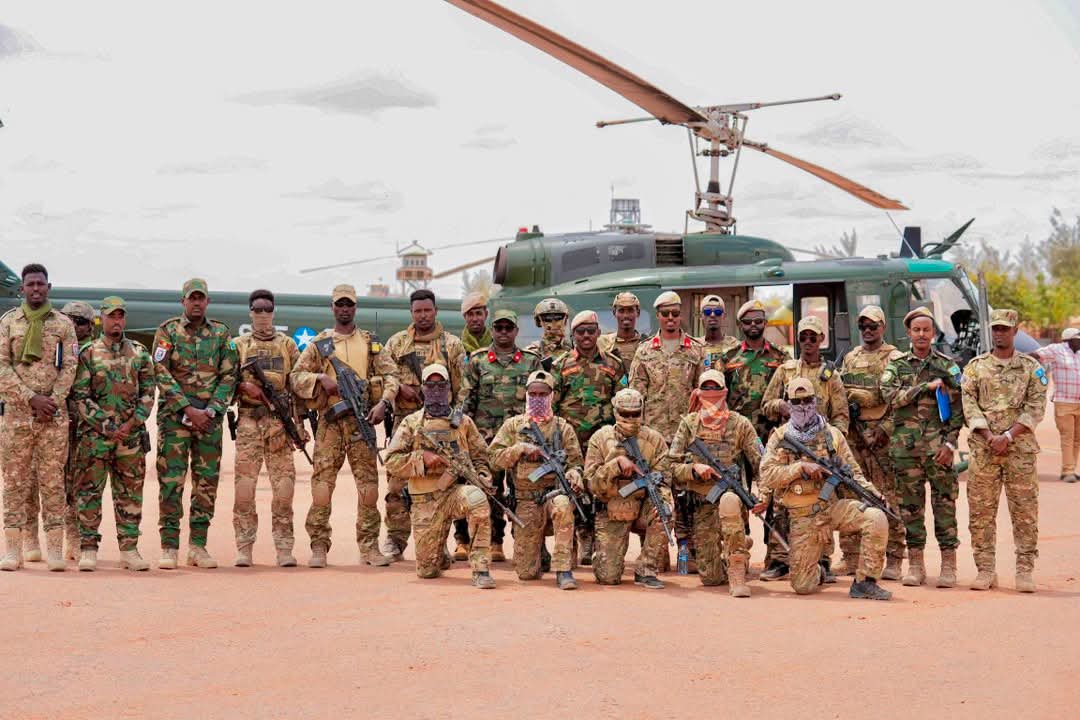
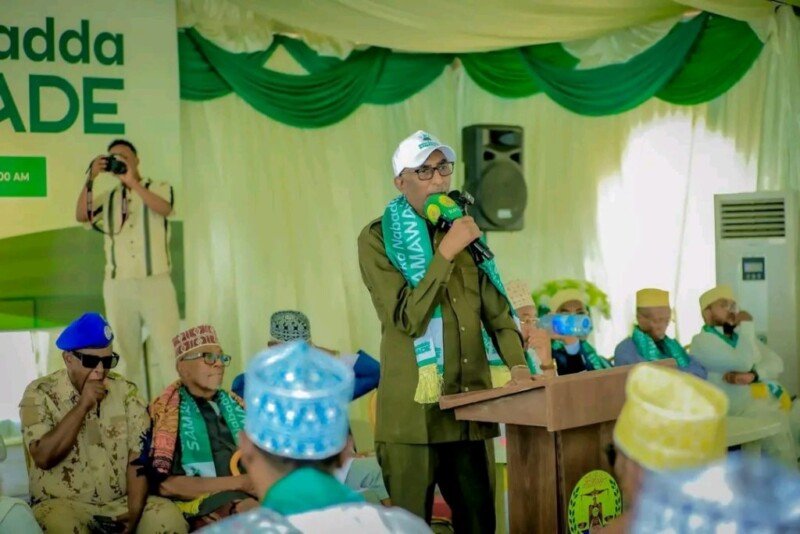
The Samawade Peace Conference, which concluded on Wednesday, August 5, 2026, was chaired by Somaliland’s Interior and Security Minister Abdalle Mohamed Arab and attended by members of the Council of Ministers, the peace committee of the House of Elders (Guurti), regional officials from Awdal, Salal and Saaxil, military officers, religious scholars, and traditional elders from the Gadabuursi and Ciise communities.
The conference was officially closed by Interior Minister Abdalle Mohamed Arab, who confirmed that the agreement had been reached after three days of intensive discussions between the two communities. The accord calls for an immediate cessation of hostilities, renewed efforts to strengthen coexistence between the communities, and further reconciliation meetings to address outstanding disputes. It also requires Somaliland’s security agencies to take legal action against anyone who undermines the peace process.
President Abdirahman Mohamed Abdullahi (Irro) had previously chaired a national consultation meeting focused on resolving the escalating conflict between the Awdal and Selel regions, prioritising traditional mediation and dialogue consistent with Somaliland’s legal standards and longstanding customary practices.
Details of the Agreement
As part of the agreement, 62 traditional elders representing the two communities were sworn in and pledged to oversee the implementation of the accord and help prevent future clashes. The House of Elders’ peace committee announced that both sides had committed themselves to ending all acts of violence and working together to preserve stability in the region.
“The two communities have agreed to end the conflict immediately, strengthen peace and ensure that anyone who threatens stability is held accountable under the law,” the committee said.
Interior Minister Abdalle Mohamed Arab welcomed the agreement and said the Somaliland government would ensure its full implementation. “The government will enforce every provision of this agreement, and strict legal action will be taken against anyone who violates it or attempts to undermine peace,” he said.
Traditional elders from both communities also welcomed the accord, pledging to work together to maintain peace, rebuild trust and promote social cohesion after the conflict.
Elders and intellectuals from both communities pledged on their part to work towards implementing the agreed provisions and strengthening peace.
Background to the Conflict
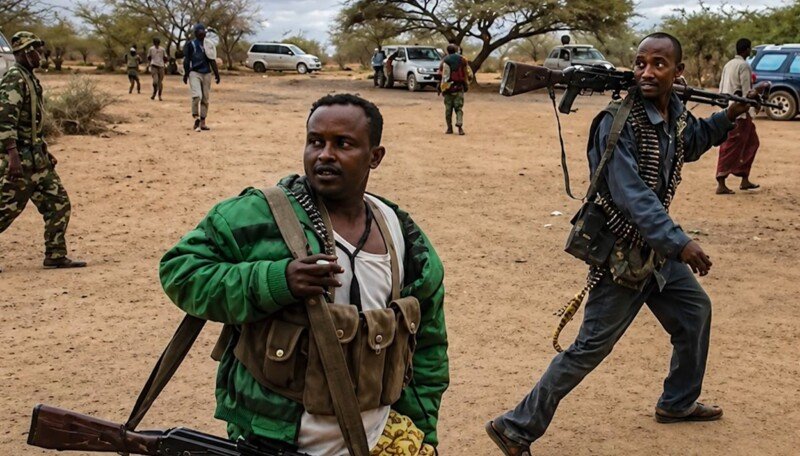
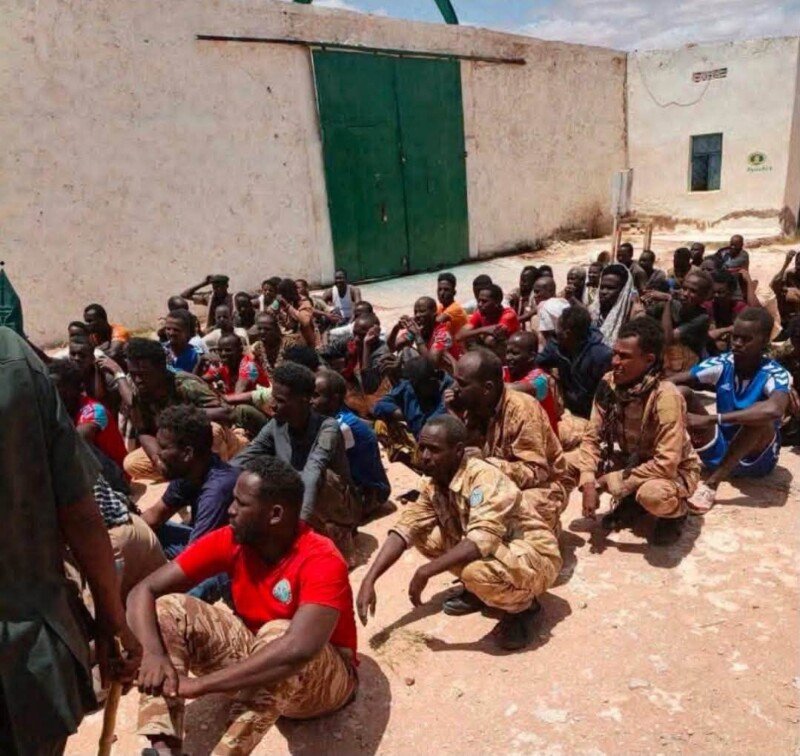
The Awdal and Salal regions have experienced intermittent clan fighting in recent months, with the conflict reportedly stemming from disagreements surrounding customary law and land disputes. The violence has resulted in casualties and displacement, prompting repeated mediation efforts by traditional leaders and government officials.
In December 2025, violent protests in the regional capital Borama led to at least 19 civilian deaths and 214 injuries, according to Awdal Governor Abdirashid Hassan Mataan, underscoring the deep-seated political and social fissures in the region. The unrest was sparked by tensions over the governance of the region and competing claims between clan communities.
The conflict also drew attention to broader geopolitical dynamics, with Somaliland authorities accusing foreign actors of arming unrest in the region. In February 2026, the Awdal Regional Tribal Cultural Committee rejected claims by the interior minister that a peace agreement had been reached, saying fresh fighting had continued and casualties had mounted.
The situation has also raised concerns about regional stability, particularly given the deteriorating relations between Somaliland and Djibouti, with the diplomatic rift heightening security anxieties in Somaliland’s western Awdal region. Calls have grown for Somalia’s federal government to establish a similar federal state in Awdal, further complicating the political landscape.
Critical Note
While the announcement of a peace agreement in Awdal and Salal represents a significant step toward resolving the inter-clan conflict, the durability of the accord remains uncertain. Previous attempts at peace have been undermined by continued fighting and mutual distrust between the communities. The agreement’s success will depend on the commitment of both sides to uphold the ceasefire and the willingness of Somaliland’s security forces to enforce the terms impartially. The role of traditional elders, who have been central to the mediation process, will be critical in ensuring that the agreement translates into lasting peace on the ground. However, the underlying grievances, including land disputes, political marginalisation, and competition for resources, remain unresolved and could reignite tensions if not addressed through inclusive dialogue and institutional reforms. The involvement of external actors and the broader geopolitical competition in the region further complicate the prospects for sustainable peace. The international community would be well advised to support local reconciliation efforts and press for transparent governance and accountability in the region, lest the current agreement join the long list of failed peace accords in Somalia’s turbulent history.
Recommended Reading On ftlsomalia.com
- Somaliland President Chairs Peace Talks Amid Awdal, Selel Conflict
- Officials in Somalia Condemn Clashes in Borama
- Somaliland Withdraws Forces from Borama After Fatal Unrest
- Protest Against Somaliland’s May 18 Celebrations Erupts in Borama
- Irro Appeals for Stability in Response to Borama Violence
- Somaliland Bars Djibouti Airline as Diplomatic Rift Worsens