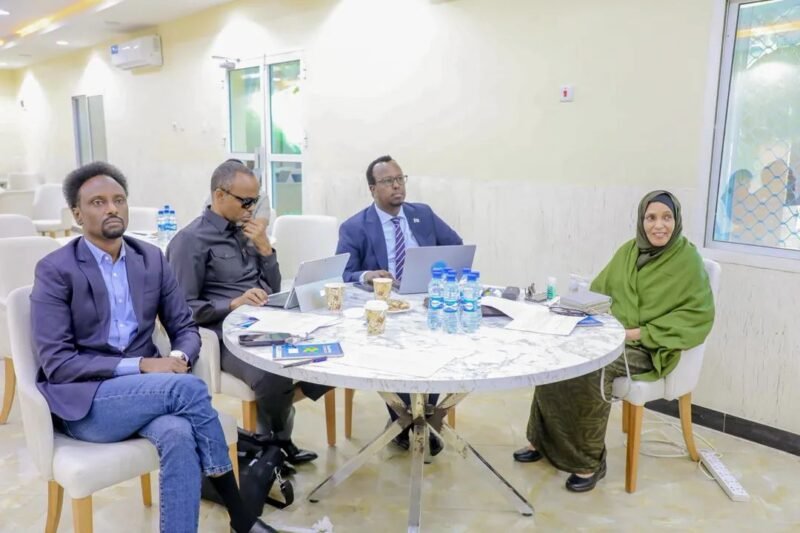
MOGADISHU — The Independent National Human Rights Commission (INHRC) has launched a week-long capacity-building workshop aimed at strengthening its ability to protect and promote human rights throughout Somalia.
The training, taking place in Mogadishu, gathers Commission members and specialists from the United Nations along with regional human rights bodies to boost institutional capabilities and assist the Commission in achieving its national objectives.
Chairperson Outlines Vision for the Commission
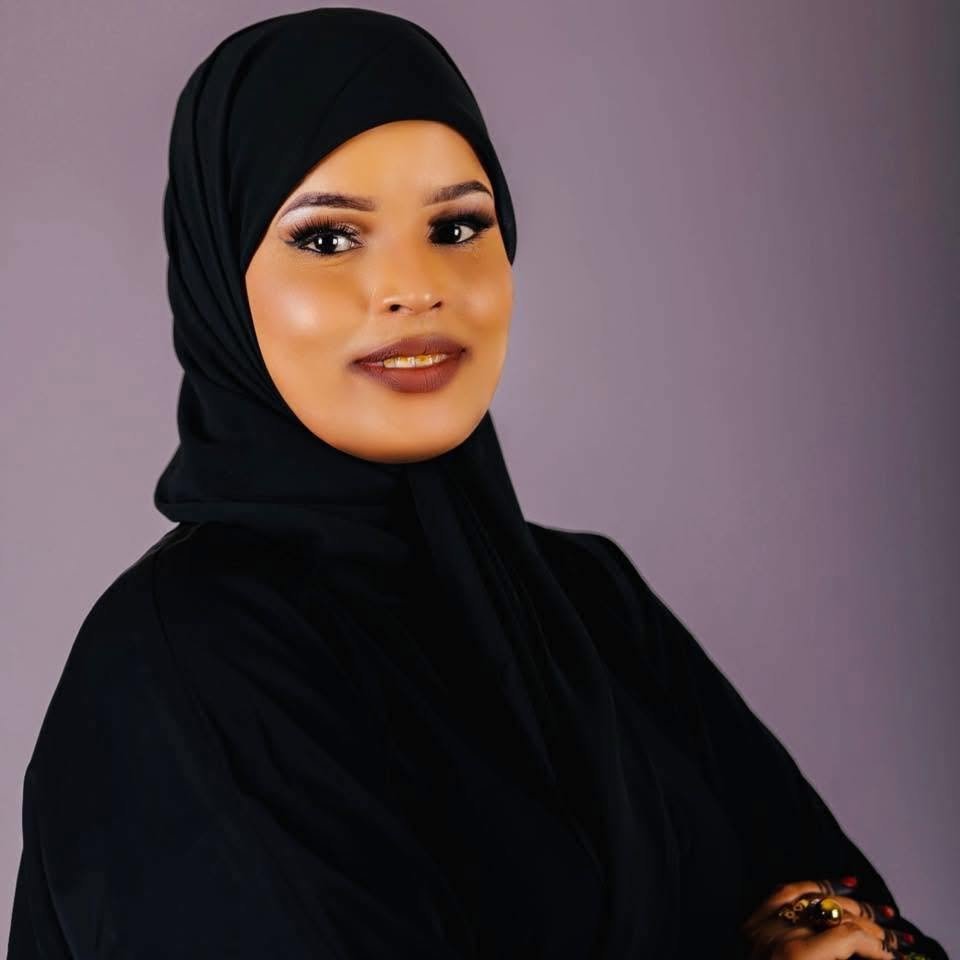
Dr. Maryam Qasim, Chairperson of the Commission, called the workshop a vital move toward establishing an effective and independent institution that can further justice, accountability, and public confidence. She also thanked the United Nations, especially the Human Rights Protection Group, for their technical assistance and ongoing partnership.
Dr. Maryam Qasim was elected Chairperson of Somalia’s Independent Human Rights Commission in February 2026 following a leadership vote in the capital Dr. Maryam Qasim Ahmed Elected Head of Somalia’s Human Rights Commission. She brings over forty years of expertise in public administration and social services to the role. A certified specialist in Obstetrics and Gynaecology, she has previously held high-level portfolios, including Minister of Health, Education and Social Services, and Minister of Humanitarian Affairs and Disaster Management.
Training Curriculum and Focus Areas
The curriculum covers international human rights law, humanitarian law, monitoring and investigation of violations, and critical topics including conflict-related abuses, child soldiers, and supervision of detention centers.
The issue of child soldiers remains a significant concern in Somalia. Since 1991 when the country descended into civil war, Somalia has endured a major problem with child recruitment by armed groups. Terrorist organizations and other militias have continued to recruit child soldiers to fight their wars Fartaag and Saeed Discuss Reintegration of Child Soldiers.
Commission’s Commitment to Independence and Neutrality
The workshop builds on ongoing efforts to establish the Commission as a credible and autonomous institution. In April 2026, Deputy Chairperson Mohamed Harun Mohamud held a high-level strategic meeting with Switzerland’s Ambassador to Somalia, Mirko Giulietti, to advance the institutional framework for human rights protection in Somalia NIHRC Discusses Institutional Vision with Swiss Envoy.
During that briefing, Deputy Chairperson Mohamud assured the Swiss delegation that the Commission will operate with complete independence and strict neutrality, confirming the institution’s alignment with international human rights frameworks — specifically adhering to the Paris Principles.
“The Commission will operate with complete independence and strict neutrality,” Mohamud said, stressing the importance of building an institution that commands public trust and has the capacity to execute its mandate with transparency and efficiency.
A Milestone for National Healing
The creation of the National Independent Human Rights Commission has been described as a milestone that transcends bureaucracy. Commissioner Farhan Jimale has called it “an act of national healing” Creation of Somalia’s NIHRC Marks a New Chapter of National Healing, Says Jimale.
“It affirms that Somalia is ready to govern itself not only by strength, but by justice. Not only by power, but by principle,” Jimale said, underscoring the moral weight of the institution’s mission.
The NIHRC is expected to play a pivotal role in ensuring accountability, monitoring abuses, and giving voice to victims long silenced by conflict. Its creation is part of Somalia’s broader democratic transition, where the rule of law and the protection of rights are increasingly viewed as essential to lasting peace.
Child Rights Advocacy and Coalition Building
Dr. Maryam Qasim has been actively engaged in advancing children’s rights in Somalia. In February 2026, she delivered a keynote address at the official launch of the “Joining Forces Alliance (JFA),” a coalition bringing together Save the Children, SOS Somalia, and Plan International Human Rights Chairperson Launches Child Rights Coalition in Mogadishu.
During her speech, Dr. Qasim underscored the Commission’s dedication to protecting and advancing children’s rights in Somalia, stating that all children deserve care, protection, and equal opportunities as fundamental human rights. She emphasized that safeguarding these rights is a shared responsibility involving not just organizations but the government, parliament, educational institutions, and every Somali household.
International Partnerships and Technical Support
The Commission has received significant technical support from international partners. The United Nations Children’s Fund (UNICEF) has been a key collaborator in child protection efforts across the country. In July 2025, Somalia’s Deputy Minister of Foreign Affairs officially received the credentials of Ms. Sandra Lattouf, the newly appointed UNICEF Representative to Somalia UNICEF’s New Somalia Representative Presents Credentials in Mogadishu.
The two officials discussed ongoing joint efforts in child protection, education, health, and nutrition, with particular focus on addressing systemic challenges such as child malnutrition, access to education, and the reintegration of former child soldiers.
Commitment to Justice and Accountability
The Commission’s capacity-building workshop represents a critical step toward building an effective and independent institution capable of advancing justice, accountability, and public trust across Somalia. For many Somalis, the Commission represents more than a legal mechanism — it is a promise that the wounds of the past will be acknowledged, and that the nation’s future will be guided by justice and humanity.
The training brings together Commission members and experts from the United Nations as well as regional human rights institutions to enhance institutional capacity and support the Commission in fulfilling its national mandate. Both delegations at the NIHRC-Switzerland meeting agreed that sustained international partnership is essential to address these challenges and strengthen Somalia’s national human rights architecture.