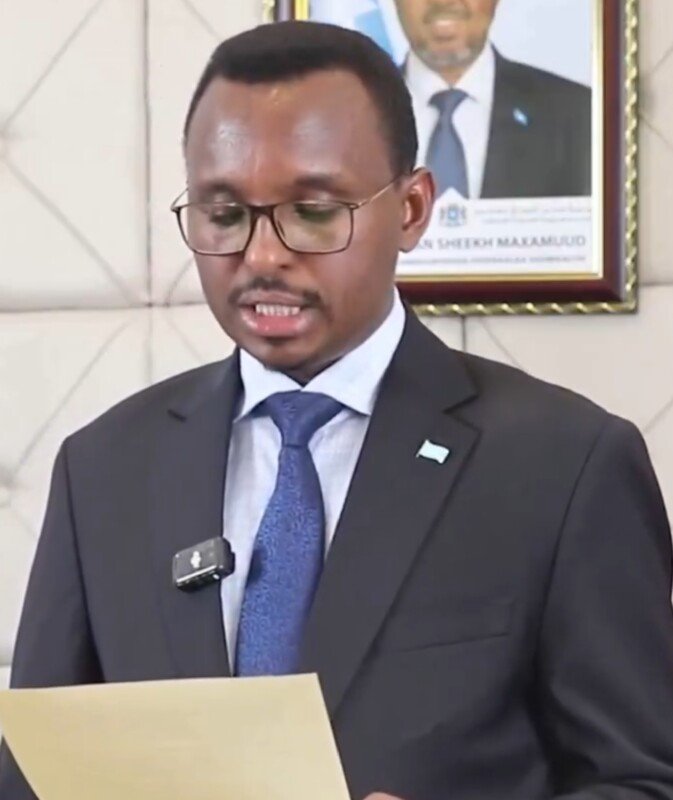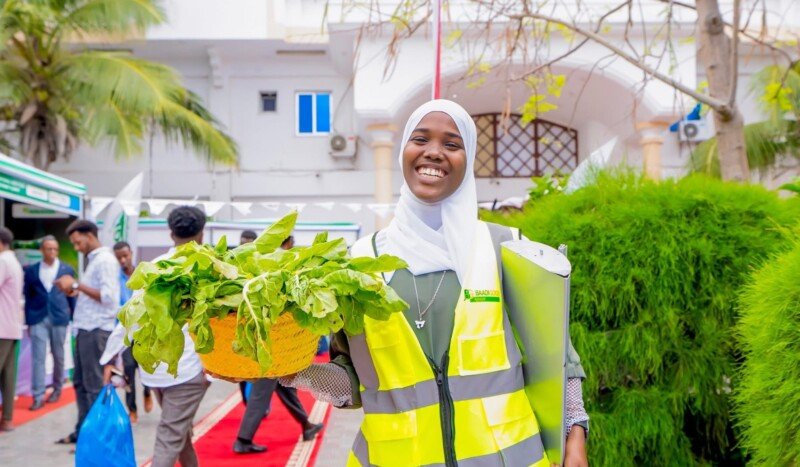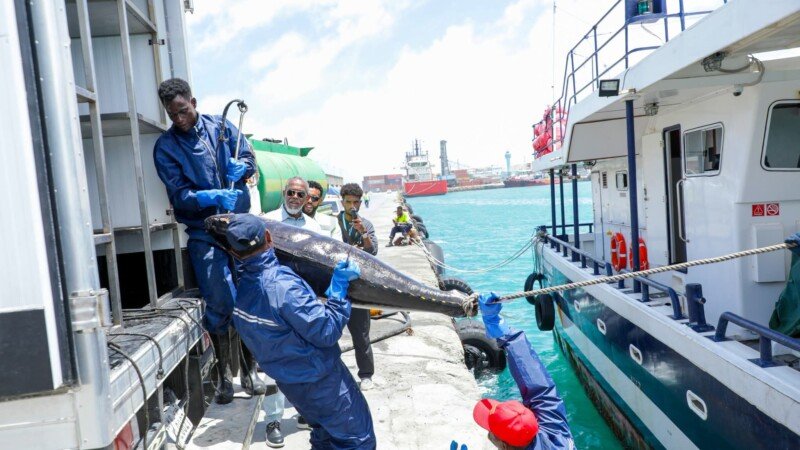
MOGADISHU — The General Manager of Mogadishu Port, Ambassador Mohamed Ali Nur (Ameriko), has officially welcomed the Marina Seafood company and its fishing vessel, Maanya Mooya, as it begins operations to export Somali fish to international markets.
The vessel, which is part of the Marina Seafood fleet, is now actively engaged in the commercial export of fish from Somalia, marking a significant step in the country’s efforts to develop its fishing industry and access global markets. Ambassador Nur praised the company and Somali businesspeople who have invested in the exploitation and export of the country’s resources, stating that the port is committed to encouraging and facilitating trade, with special emphasis on exporters to boost domestic production.
The Mogadishu Port has been at the centre of financial scrutiny, with Turkish firm Albayrak-Somalia managing port operations since 2014 under a concession agreement. The port is one of the country’s most important revenue-generating assets, and efforts to promote exports are part of broader economic development strategies.
The Auditor General has pressed for greater financial transparency at the port, highlighting the importance of accountability in managing public assets.
Promoting Fisheries and Economic Development
Somalia has one of the longest coastlines in Africa, offering significant potential for the fishing industry. However, the sector has been underdeveloped due to decades of conflict, lack of investment, and illegal fishing by foreign vessels. The government has identified fisheries as a key sector for economic growth and job creation, with efforts underway to regulate the industry, attract investment, and promote exports.
In July 2026, Somalia and China signed a protocol allowing Somali fishery products to be exported to Chinese markets duty-free, a move officials described as a significant milestone for the Horn of Africa nation. The agreement is expected to increase competitiveness and export opportunities for Somali fishermen and traders.
Somalia has also established fisheries partnerships with Turkey to enhance blue economy development, increase fish production, create local processing facilities, and address illegal, unreported, and unregulated fishing.
Somalia and Egypt have also agreed to enhance cooperation in fisheries, blue economy, and petroleum and mineral resources, reflecting growing international interest in Somalia’s maritime resources.
Somalia’s blue economy holds a billion-dollar promise, according to officials, with the potential to transform livelihoods and strengthen the economy if properly managed and protected from illegal fishing.
Critical Note
While the promotion of fishing exports is a positive development for Somalia’s economy, the sector faces significant challenges. Illegal fishing by foreign vessels continues to deplete Somali waters, costing the country millions of dollars annually. The lack of effective enforcement and monitoring mechanisms, combined with weak governance in the fisheries sector, undermines efforts to develop a sustainable fishing industry. Post-harvest losses are estimated at 30 to 40 percent due to the lack of cold storage, while poor roads and outdated ports increase transportation costs by 15 to 30 percent.
The government must prioritise the fight against illegal fishing, invest in port infrastructure and cold storage facilities, and provide support to local fishermen to ensure that the benefits of the blue economy reach Somali communities. Without addressing these structural challenges, the sector’s potential will remain largely untapped.
Recommended Reading On ftlsomalia.com
- Somalia Establishes SOMTÜRK Fisheries Partnership with Turkey
- Somalia’s Blue Economy Holds Billion-Dollar Promise
- Turkish Firms Running Mogadishu’s Port and Airport Didn’t Present Audited Financial Statements
- Auditor General Presses Favori LLC on Financial Transparency
- Somalia and China Sign Zero-Tariff Fisheries Protocol
- Somali Fisheries Minister Outlines Plans to Combat Illegal Fishing