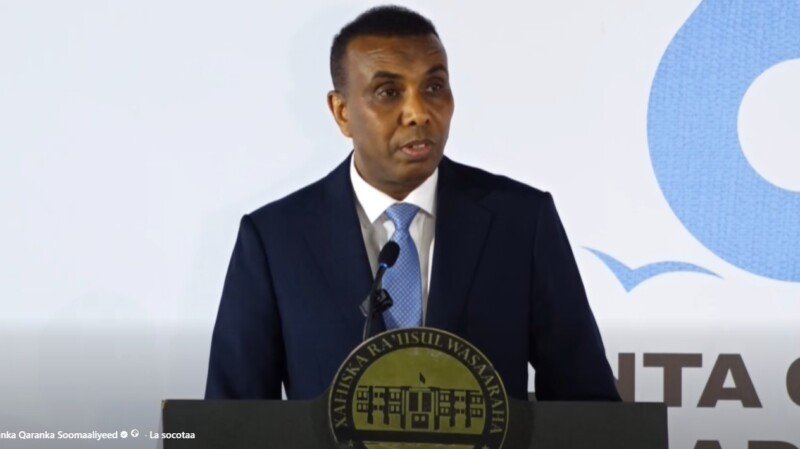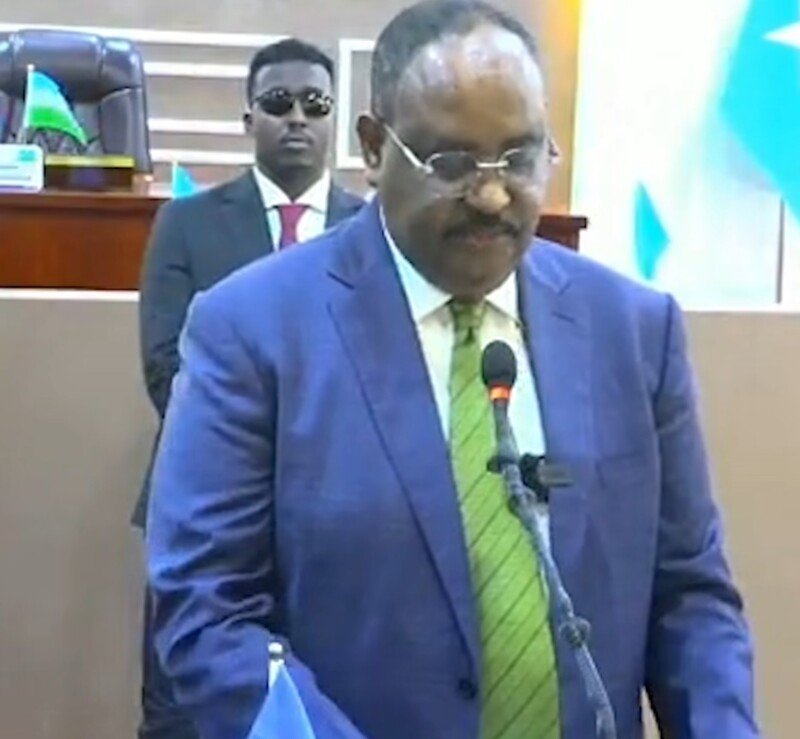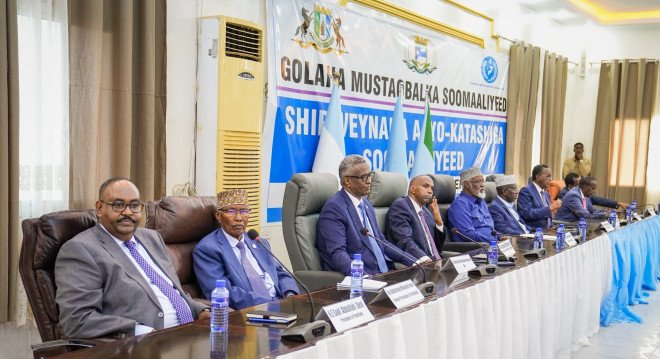
MOGADISHU — The Somali Future Council (Golaha Mustaqbalka Soomaaliyeed) has strongly condemned and rejected the election of Abdulqadir Mohamed Nur Jaamac as Speaker of the House of the People, arguing that the Federal Parliament’s constitutional term expired on April 14, 2026, and that the legislative body lacks the legal authority to elect a new Speaker.
In a statement issued on Monday, August 10, 2026, the Council said that the parliament does not have the constitutional or political legitimacy to elect a new Speaker, and that it cannot extend its own mandate. The statement described the election as an “illegitimate election” and warned that decisions based on contested legal grounds could deepen political divisions in the country.
“A term that has expired cannot create a new term; a stolen election cannot produce legality,” the Council said in its statement.
The Council further stated that the manner in which the election was conducted is a clear indication of how the President intends to manage the upcoming federal parliamentary and presidential elections, seeking to control the electoral process, block strong competitors, and pre-determine outcomes.
The Somali Future Council reiterated that the electoral dispute in Somalia cannot be resolved through unilateral actions, the imposition of authority, or pre-determined outcomes. The only path to restoring constitutional order and political trust is through a consensus-based electoral framework that is agreed upon and accepted by all stakeholders.
The Council’s rejection of the Speaker election follows its earlier warnings that the Federal Government’s unilateral actions were undermining the prospects for inclusive dialogue and consensus on the country’s electoral future.
The opposition coalition has consistently called for a consensus-based approach to resolving political disputes, arguing that unilateral decisions by the Federal Government risk exacerbating instability and further polarizing the country.
Background and Political Context
The Somali Future Council’s rejection comes hours after Abdulqadir Mohamed Nur Jaamac was elected Speaker with 142 votes, defeating his sole opponent Abdulqadir Omar Macallin (Daada), who received 30 votes. The election was held at Villa Hargeysa in Mogadishu, with 174 MPs participating. Two votes were invalid.
The opposition council’s position is rooted in a broader constitutional dispute. The Federal Government maintains that the parliament’s mandate extends until May 2027 under constitutional amendments passed in March 2026. However, the Somali Future Council argues that the parliament’s term ended on April 14, 2026, and that the amendments were not adopted through an inclusive process.
The election also comes amid ongoing political tensions, with the Federal Government and opposition groups locked in protracted negotiations over the electoral framework and constitutional reforms. The new Speaker is expected to play a pivotal role in guiding Parliament through these contentious issues.
Critical Note
The Somali Future Council’s rejection of the Speaker election highlights the deep political divisions that continue to characterise Somalia’s political landscape. While the Federal Government has emphasised the importance of constitutional continuity and has proceeded with the election, the opposition’s argument that the parliament’s term has expired raises fundamental questions about the legitimacy of the legislative process and the authority of its decisions.
The government’s decision to proceed with the election despite opposition objections risks further entrenching the political crisis and undermining public confidence in state institutions. The Council’s call for a consensus-based approach to resolving electoral disputes reflects a broader recognition that unilateral actions, regardless of their legal justification, are unlikely to produce durable solutions. The international community, which has invested heavily in Somalia’s stabilisation, must urgently press both sides to de-escalate and return to dialogue to prevent the political crisis from deepening.