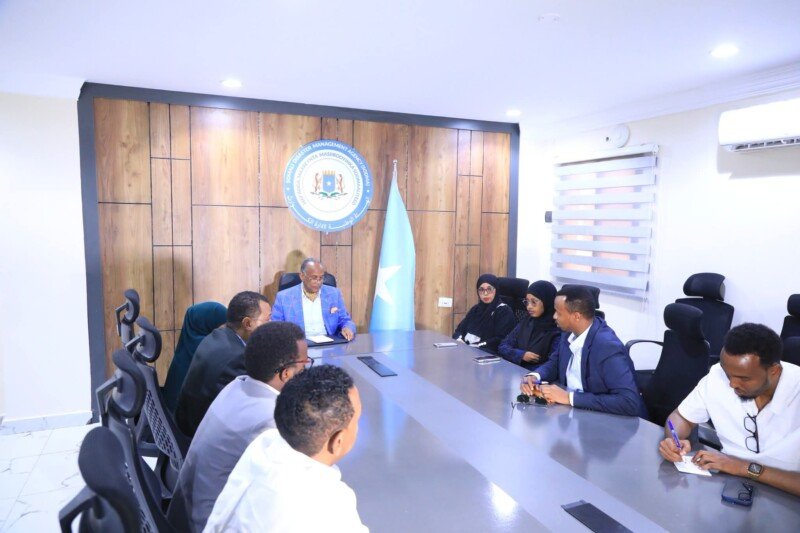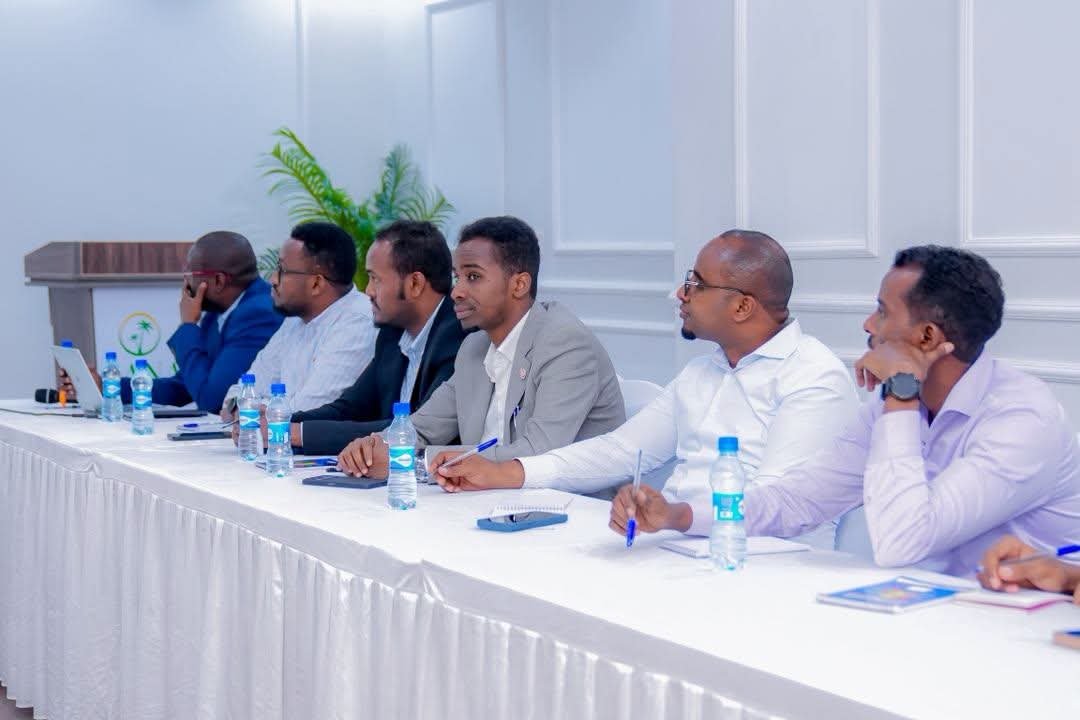
MOGADISHU – Somalia’s National Climate Fund (NCF), in partnership with the Somali Bankers Association (SBA), has concluded a three-day capacity-building workshop in Mogadishu aimed at equipping the country’s banking sector with the tools to access and deploy international climate finance. The training, which marks the second phase of a programme launched in December 2025, comes as the country faces a deepening climate crisis and a chronic funding gap that raises fundamental questions about the feasibility of translating global pledges into tangible resilience for vulnerable communities.
The workshop brought together senior representatives from Somali commercial banks and insurance companies, focusing on translating climate finance concepts into practical investment strategies. Participants received technical guidance on the Green Climate Fund (GCF) project cycle, the development of bankable climate projects, and the pursuit of accreditation as National Implementing Entities (NIEs) to access international climate finance directly. Recognizing Somalia’s predominantly Islamic financial system, the programme included sessions on Sharia-compliant instruments such as Murabaha, Ijara, Sukuk, and Musharaka.
An Ambitious Agenda, a Fragile Foundation
The training reflects a broader ambition to position the private sector at the centre of Somalia’s climate response. NCF Executive Director Liban Obsiye framed the initiative as critical to building a stronger, more climate-ready financial sector. SBA CEO Dr. Ahmed Khadar Abdi Jama echoed this, stating that “Somalia’s banks are ready to increase their investment in all sectors that enhance Somalia’s climate resilience”.
Yet the gap between ambition and reality remains stark. Somalia is among the countries most vulnerable to climate change, facing recurring droughts, floods and other shocks that have increased the need for investment in resilience. The country has taken steps to strengthen its institutional framework for climate finance, including high-level technical workshops to validate national strategies, and a training programme in Nairobi focused on Green Climate Fund accreditation. Previous efforts in Mogadishu have centred on the GCF programming framework and the validation of key documents such as the Readiness Needs Assessment (RNA) and Private Sector Engagement Strategy (PSES).
However, these initiatives remain largely preparatory. The country has not yet secured direct accreditation to the GCF, and the banking sector’s capacity to manage climate risks and deploy green finance is nascent. The training builds on the inaugural workshop held in December 2025, but the financial system remains fragile, with limited capital, weak regulatory oversight, and high exposure to climate shocks. The ambition to transform global climate pledges into tangible investments is laudable, but the infrastructure to absorb and deploy such funding is still in its infancy.
A Funding Gap That Defies Easy Solutions
The urgency of the training is underscored by the sheer scale of the climate finance gap. A study by the Somali National Climate Fund found that less than 20 percent of the required climate finance is currently being met. Somalia’s weak governance structures, inadequate infrastructure, and limited institutional capacity hinder its ability to manage climate risks and deliver basic services. The country’s climate finance needs are estimated to be in the hundreds of millions of dollars annually, yet it struggles to access even a fraction of the global climate funds available.
The training programme is part of a wider push to align Somalia with international climate finance mechanisms. The Nairobi training sought to prepare national institutions for direct accreditation, and the Mogadishu workshop focused on developing bankable climate projects. The UK’s Foreign, Commonwealth and Development Office (FCDO) has provided backing through its Pioneer Country Trials initiative, which aims to help nations like Somalia establish systems to absorb and apply international climate finance.
Yet these efforts, while necessary, are insufficient to address the systemic challenges. The banking sector’s readiness to finance climate resilience is constrained by the broader economic environment, including insecurity, weak infrastructure, and a lack of bankable projects. The training may enhance technical capacity, but it cannot resolve the fundamental governance deficits that have long impeded effective climate action.
From Training to Transformation: A Long Road Ahead
The Mogadishu workshop marks a step forward in building the financial architecture for climate resilience. The inclusion of Sharia-compliant finance instruments is particularly significant, given Somalia’s Islamic financial system. The focus on accreditation as National Implementing Entities could, in theory, enable Somali banks to bypass intermediaries and access climate finance directly, reducing transaction costs and increasing ownership.
But the road from training to transformation is long. Somalia has yet to demonstrate a consistent track record of absorbing and deploying climate finance effectively. The country’s active portfolio of climate projects remains modest, and the shift from short-term emergency support to longer-term investments in resilience has been slow. The training programme is a necessary, but not sufficient, condition for unlocking climate finance.
Way Forward
The Mogadishu workshop reflects a growing recognition that Somalia’s climate response must move beyond reliance on humanitarian aid and toward sustainable, private-sector-led investment. The training of the banking sector is a positive step, but it must be accompanied by broader reforms to strengthen governance, improve infrastructure, and build the institutional capacity needed to absorb and deploy climate finance effectively.
Without these reforms, the training risks becoming another exercise in capacity-building that fails to translate into tangible outcomes. The banking sector may be “ready to increase investment,” as Dr. Ahmed Khadar put it, but the question remains whether the enabling environment exists to support that investment. For the people of Somalia, who face the brunt of climate change, the gap between rhetoric and reality remains wide.
Recommended Reading On ftlsomalia.com
- Somalia Trains Banks to Access Global Climate Funds
- Somalia Launches Climate Finance Training in Nairobi to Boost Global Fund Access
- Somalia Workshop Aims to Boost Climate Funding Access
- EU Reaffirms Support for AUSSOM Amid Funding Talks
- Donor Fatigue Grows as $7B Security Investment in Somalia Faces Scrutiny